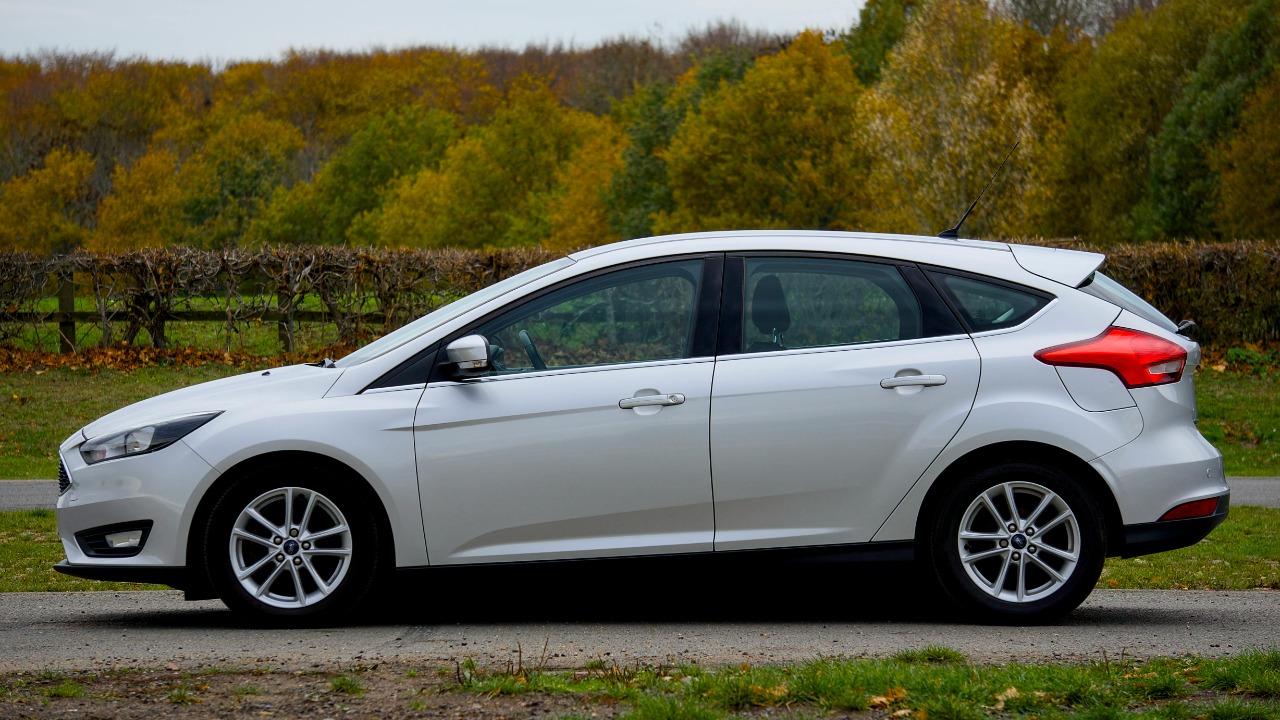
Ford’s recent recall of 227,000 vehicles in 2025 has emerged as the year’s most significant automotive safety crisis, drawing intense scrutiny from regulators and consumers alike. The recall, which affects popular models such as the Ford F-150 and Mustang Mach-E produced between 2022 and 2024, stems from critical safety defects that have already led to several accidents. This development has not only raised questions about Ford’s manufacturing practices but also prompted a comprehensive investigation by the National Highway Traffic Safety Administration (NHTSA).
Details of the Recall
The recall specifically targets the 2022-2024 Ford F-150 and the 2023-2024 Mustang Mach-E, with 150,000 and 77,000 units affected, respectively. According to the NHTSA recall notice, the primary issues involve faulty fuel pump relays in the F-150 models, which can cause sudden engine stalls, and software glitches in the Mustang Mach-E that may lead to unintended acceleration. Ford’s official statement, released on March 10, 2025, outlines a projected repair timeline of 45 days for all affected vehicles, underscoring the urgency of addressing these defects.
The recall announcement has amplified concerns over Ford’s quality control, particularly given the company’s history of similar issues. The defects have been linked to a supplier defect in electronic components from Delphi Technologies, as identified in a preliminary probe by NHTSA launched earlier this year. This situation highlights the complex supply chain challenges that can impact vehicle safety and the importance of rigorous quality checks.
Causes and Investigations
The root causes of the recall have been traced back to a defect in electronic components supplied by Delphi Technologies. This issue was uncovered through a preliminary investigation by NHTSA, initiated on January 22, 2025. The investigation revealed that similar relay failures have contributed to 12% of engine-related crashes in comparable models, as noted by the Insurance Institute for Highway Safety (IIHS). This finding underscores the critical nature of component reliability in automotive safety.
Ford’s internal audit further revealed lapses in quality control at its Dearborn, Michigan assembly plant during the fourth quarter of 2024. These lapses have raised questions about the company’s manufacturing processes and the effectiveness of its quality assurance measures. The situation has prompted Ford to reevaluate its production protocols to prevent future occurrences of such defects.
Impact on Consumers and Market
The recall has significant implications for consumers, with five reported crashes involving stalled F-150s on highways in Texas and California since December 2024. These incidents, documented in NHTSA incident reports, highlight the potential dangers posed by the defects. Affected owners, like Texas driver Maria Gonzalez, have expressed frustration, stating, “My F-150 died on I-35, nearly causing a pileup—Ford needs to act faster,” as reported by local news coverage.
Financially, the recall is expected to cost Ford an estimated $250 million, a significant burden that has already impacted the company’s stock value. Following the recall announcement, Ford’s shares dropped by 3.2% to $11.45 per share, according to Bloomberg. This financial hit reflects investor concerns about the company’s ability to manage quality control and maintain consumer trust.
Regulatory Response and Ford’s Actions
In response to the recall, NHTSA has escalated its investigation, demanding that Ford submit detailed remedy plans within 30 days. This escalation, documented in the federal register, underscores the regulatory pressure on Ford to address the safety issues promptly. The agency’s involvement highlights the broader implications for the automotive industry, where safety standards are paramount.
Ford CEO Jim Farley publicly apologized on March 11, 2025, emphasizing the company’s commitment to safety. “Safety is our top priority; we’re mobilizing 500 technicians for free repairs,” Farley stated during a press conference. This proactive approach aims to reassure consumers and mitigate the potential for further incidents. Additionally, the company faces potential fines of up to $21,000 per vehicle under the Motor Vehicle Safety Act, as analyzed by Consumer Reports, further highlighting the stakes involved.
More From TheDailyOverview
- Dave Ramsey says these two simple questions show whether you’re rich or poor
- Retired But Want To Work? Try These 18 Jobs for Seniors That Pay Weekly
- IRS raises capital gains thresholds for 2026 and what’s new
- 12 ways to make $5,000 fast that actually work

Grant Mercer covers market dynamics, business trends, and the economic forces driving growth across industries. His analysis connects macro movements with real-world implications for investors, entrepreneurs, and professionals. Through his work at The Daily Overview, Grant helps readers understand how markets function and where opportunities may emerge.

