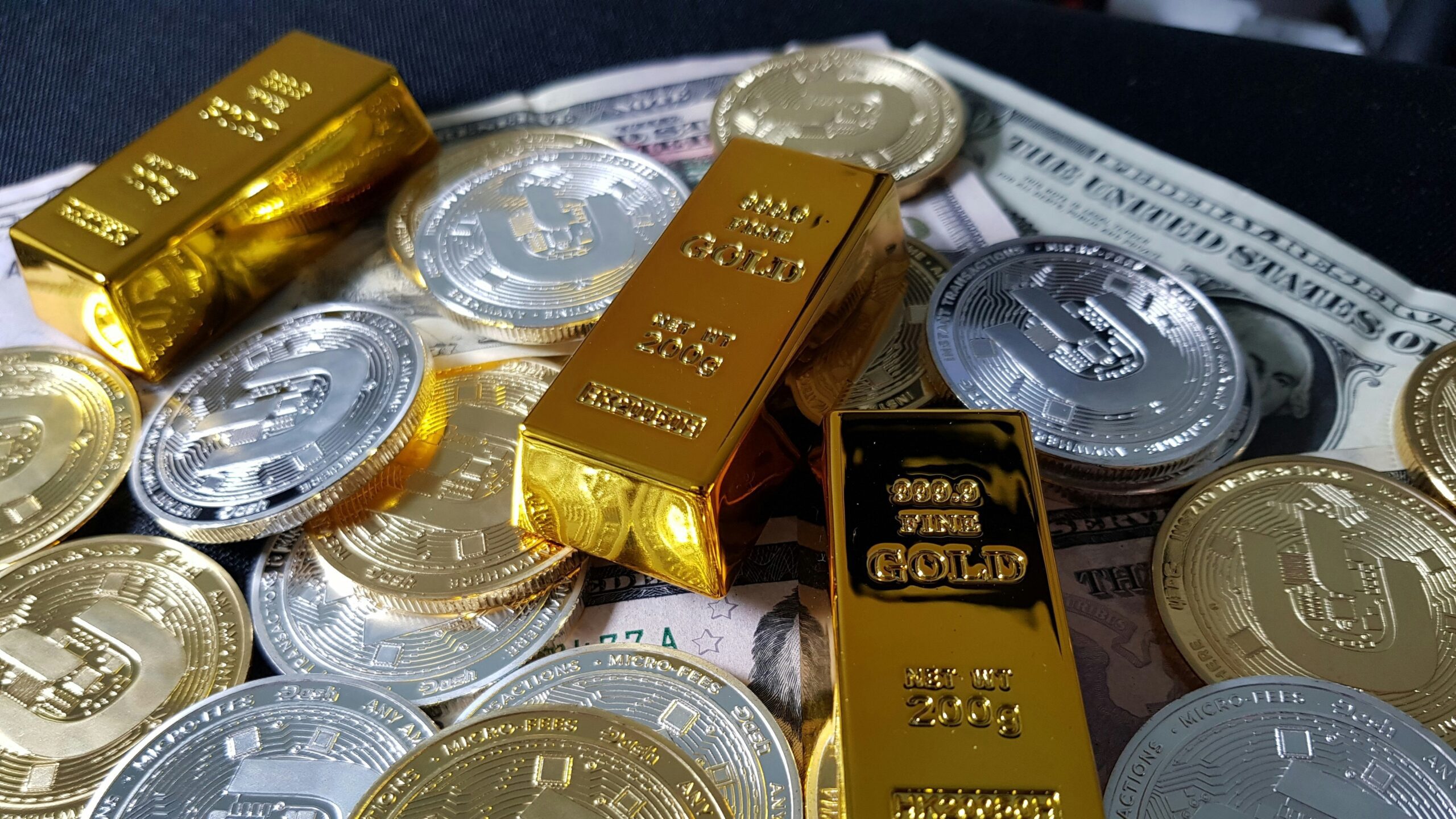
Gold and silver have entered a period of sharp, unpredictable price swings that are forcing investors to rethink how precious metals fit into a balanced portfolio. The volatility is not random noise; it reflects structural forces in futures markets, shifting retail demand for physical metal, and Wall Street forecasts that remain surprisingly bullish even after steep selloffs. For anyone holding gold or silver, or considering an entry point, the question is whether these wild moves signal danger or opportunity.
Futures Positioning and Retail Demand Tell Different Stories
Much of the recent turbulence in gold and silver can be traced to the futures market, where large institutional traders rapidly adjust their bets. The U.S. Commodity Futures Trading Commission publishes weekly trader positioning that breaks down open interest across commercial hedgers, managed money funds, and other categories. When managed money positions swing hard in one direction, prices can overshoot in ways that have little to do with physical supply or demand. These positioning extremes help explain why gold and silver can drop several percentage points in a single session, then recover just as fast, as leverage and margin calls accelerate both selling and subsequent short-covering rallies.
Retail investors, meanwhile, appear to be responding to the chaos by buying more physical metal rather than less. The bullion coin data from the United States Mint show how sales of gold and silver coins often rise when volatility spikes, as individual buyers treat price dips as opportunities or hedge against broader economic uncertainty. This divergence matters: steady or rising coin demand can act as a stabilizing floor beneath spot prices even when speculative traders are whipsawing the futures curve. The gap between paper market activity and physical coin flows raises a legitimate critique of relying solely on futures prices to gauge the health of precious metals, because many contracts are cash-settled and never result in metal delivery, allowing short-term price action to overstate actual selling pressure.
ETF Mechanics Create Hidden Friction for Silver Holders
For investors who prefer the convenience of exchange-traded funds over storing physical bars, the mechanics of how those funds operate deserve close attention. The iShares Silver Trust, one of the largest silver ETFs, explains in its quarterly filing for the period ended March 31, 2025, how each share corresponds to physical silver held in custody, along with the fee structure, creation and redemption processes, and key risk factors. Management fees, custody charges, and transaction costs create a small but persistent drag, so a silver ETF held for years will typically underperform the raw spot price by a measurable margin even if silver itself is flat. Over multi‑year horizons, that gap can compound into a meaningful difference in returns.
Understanding this drag is especially important during volatile stretches. When silver prices swing sharply, the premium or discount at which ETF shares trade relative to underlying metal can widen, adding another layer of uncertainty for holders who may be forced to buy high or sell low relative to net asset value. Physical silver buyers avoid this particular issue, though they face their own costs in the form of dealer premiums, bid–ask spreads, and storage or insurance. Neither approach is perfect, and a hybrid strategy that combines ETF exposure for liquidity with selective physical purchases during price dips may offer a more balanced risk profile than either method alone. For investors using ETFs in tax‑advantaged accounts and physical metal as a long‑term hedge, being explicit about which role each vehicle plays can reduce the temptation to trade emotionally when volatility spikes.
Wall Street Forecasts Still Point Higher
Despite the sharp selloffs that have rattled metals markets, analyst consensus remains constructive. Reporting on recent market swings, Wall Street coverage has highlighted that many banks and research desks still project gains for both gold and silver over the coming year, even as day‑to‑day moves become more violent. Forecasts are typically grounded in expectations for real interest rates, central‑bank policy, and geopolitical risk, all of which support a case for continued demand from both institutional buyers and individuals seeking diversification. The fact that targets have not been slashed in the wake of recent drawdowns suggests that many strategists view the turbulence as a correction within a longer‑term uptrend rather than the start of a sustained bear market.
Longer‑range projections have grown even more ambitious. A recent survey of gold forecasts reported that an annual 2026 price outlook above $4,000 per ounce appeared in major bank research for the first time, underscoring how bullish some institutional scenarios have become. Such projections are not guarantees and can be revised quickly, but they frame current volatility in a different light: if the structural drivers that analysts cite (such as persistent fiscal deficits, central‑bank reserve buying, and periodic financial stress) remain in place, then sharp pullbacks may represent entry points rather than exit signals. For investors, the challenge is to align time horizons and risk tolerance with this backdrop: using futures and ETFs for tactical exposure, relying on physical holdings as a long‑term hedge, and resisting the urge to react to every price swing as if it were a verdict on the entire precious‑metals thesis.
More From The Daily Overview
*This article was researched with the help of AI, with human editors creating the final content.

Grant Mercer covers market dynamics, business trends, and the economic forces driving growth across industries. His analysis connects macro movements with real-world implications for investors, entrepreneurs, and professionals. Through his work at The Daily Overview, Grant helps readers understand how markets function and where opportunities may emerge.