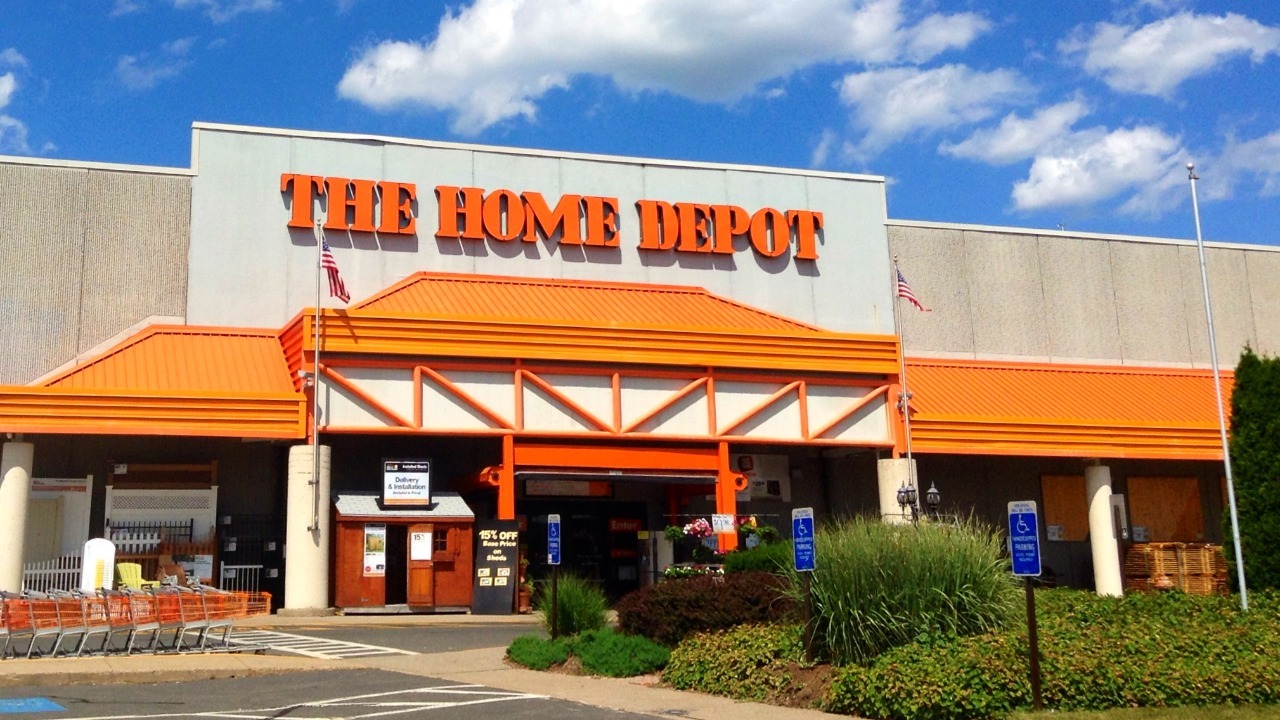
Home Depot is raising the bar for manager bonuses, cutting both the likelihood and size of payouts at a time when sluggish home sales and cautious consumers are already weighing on the retailer. The company lifted the minimum sales-performance threshold required for bonus eligibility to 95% of target, up from 90%, and slashed the payout at that floor to 25% of the bonus goal, down from 50%. The twin changes represent a meaningful tightening of performance-based pay for store-level leaders, arriving as the housing market remains stuck in neutral.
Tighter Thresholds, Smaller Payouts
An internal memo detailed the new bonus structure for store-level managers, according to a Bloomberg report. Under the previous framework, a store that hit 90% of its sales target could still trigger a bonus worth half the manager’s target payout. Now, stores must reach at least 95% of their goal before any bonus kicks in, and the reward at that minimum level is just a quarter of the target amount. The practical effect is that managers whose stores fall short of the new threshold receive no bonus, while those who barely clear the new bar receive less than they would have under the prior rules.
This is not a cosmetic tweak. Raising the eligibility floor by five percentage points while halving the minimum payout creates a much steeper cliff. A store manager whose location posts, say, 93% of its sales plan now earns zero bonus, when that same result would have delivered a meaningful check a year ago. For a company that relies on experienced store leaders to drive customer service and contractor relationships, the change could make retention harder if managers view the payouts as less attainable. Home Depot has not publicly stated whether the change is permanent or tied to a specific fiscal cycle, and the memo’s full text has not been released beyond the details summarized in the Bloomberg analysis, leaving managers to interpret how long they will be operating under the tighter rules.
Flat Sales and Unfulfilled Demand
The bonus restrictions land against a backdrop of disappointing growth. Home Depot’s third-quarter fiscal 2025 results showed total sales of $41.4 billion, a 2.8% year-over-year increase that was largely driven by the impact of an acquisition rather than organic momentum. Comparable sales, the metric that strips out new-store and acquisition effects, rose just 0.2% overall and only 0.1% in the United States, according to the company’s own earnings release. Those numbers tell a story of a retailer treading water rather than gaining ground, especially when stacked against the inflation and wage pressures that continue to raise operating costs.
Home Depot pointed to softer-than-expected demand in its third-quarter fiscal 2025 update, saying the “expected increase in demand did not materialize” and citing consumer uncertainty as a key drag. When shoppers delay kitchen remodels, deck builds, and bathroom upgrades, the revenue shortfall cascades through store-level performance metrics, which are exactly the metrics that now determine whether managers receive a bonus. The tighter payout structure, in other words, means store-level leaders bear more of the downside when sales fall short of plan. That dynamic deserves scrutiny: most coverage of the bonus change has framed it as a cost-control measure, but it also functions as a risk transfer, moving earnings volatility from the corporate income statement onto individual managers’ paychecks and effectively making their compensation more cyclical than before.
A Housing Market That Refuses to Thaw
Home Depot’s core customer base, homeowners planning renovations, is heavily influenced by housing turnover. People who buy a new house tend to spend on improvements within the first year, and those who refinance often roll renovation costs into new loans. Neither group is particularly active right now. The National Association of Realtors reported an 8.4% monthly drop in existing-home sales for January, with year-over-year transactions falling 4.4%. The median existing-home price stood at $396,800, up just 0.9% from a year earlier, a pace that barely keeps up with broader inflation and does little to encourage discretionary spending on upgrades or large-scale remodels.
Mortgage rates remain a central obstacle. The average 30-year fixed mortgage rate remained elevated in early February 2026, based on Freddie Mac survey data. At that level, homeowners who locked in sub-4% rates during 2020 and 2021 have little incentive to sell and buy again, a phenomenon often called the “lock-in effect.” The result is a market with limited inventory, sluggish sales volume, and buyers who, when they do transact, face monthly payments high enough to crowd out renovation budgets. For Home Depot, this translates directly into the kind of flat comparable-sales performance that now makes bonuses harder to earn, since managers cannot easily offset a frozen housing pipeline with incremental promotions or in-store initiatives alone.
What the Bonus Cut Means for Workers and Shoppers
Store managers at Home Depot typically oversee dozens of associates, manage inventory worth millions of dollars, and serve as the primary point of contact for professional contractors who account for a significant share of revenue. Bonuses have long served as a retention tool for these leaders, rewarding them for hitting targets in a physically demanding, high-turnover retail environment. By narrowing the path to a payout, the company is betting that managers will work harder to close the gap between actual and target sales, squeezing more productivity out of staffing, merchandising, and local outreach. The alternative outcome is that experienced managers leave for roles with more stable compensation, a scenario that could hurt customer service and slow the company’s push to capture more professional-contractor business at a time when every high-value client matters.
For shoppers, the connection is less direct but still real. Manager turnover tends to degrade store execution: shelves get restocked more slowly, staffing decisions become reactive instead of proactive, and local relationships with contractors and community organizations can fray. If the new bonus regime contributes to higher churn among seasoned leaders, customers could encounter longer lines, patchier product availability, and fewer knowledgeable associates on the floor. Over time, that erosion in day-to-day experience could undermine the very sales performance the bonus changes are meant to improve, illustrating the tension between short-term cost control and long-term investment in frontline leadership.
A High-Stakes Bet on Discipline
Home Depot is hardly the first retailer to tighten incentive plans when growth slows, and the company still emphasizes performance-based pay as part of its culture. Yet the timing and severity of this shift make it a high-stakes experiment in how far management can push variable compensation before it backfires. By raising the bar to 95% of target and cutting the minimum payout, the company is positioning itself as more disciplined on costs even if demand remains tepid, effectively making manager incentives more sensitive to sales volatility. That stance may reassure investors looking for discipline, but it also concentrates financial stress on a relatively small group of employees whose decisions shape the in-store experience.
Whether the move ultimately pays off will depend on factors largely outside those managers’ control: mortgage rates, housing turnover, and consumer confidence. If the housing market thaws and renovation demand rebounds, higher thresholds could simply normalize payouts at a leaner level. If conditions stay weak, however, Home Depot risks burning out the very leaders it needs to navigate a prolonged slowdown. In that sense, the bonus overhaul is more than an internal accounting tweak; it is a wager that the company can ride out a frozen housing market without permanently damaging the human infrastructure that keeps its 2,000-plus stores running.
More From The Daily Overview
*This article was researched with the help of AI, with human editors creating the final content.

Grant Mercer covers market dynamics, business trends, and the economic forces driving growth across industries. His analysis connects macro movements with real-world implications for investors, entrepreneurs, and professionals. Through his work at The Daily Overview, Grant helps readers understand how markets function and where opportunities may emerge.