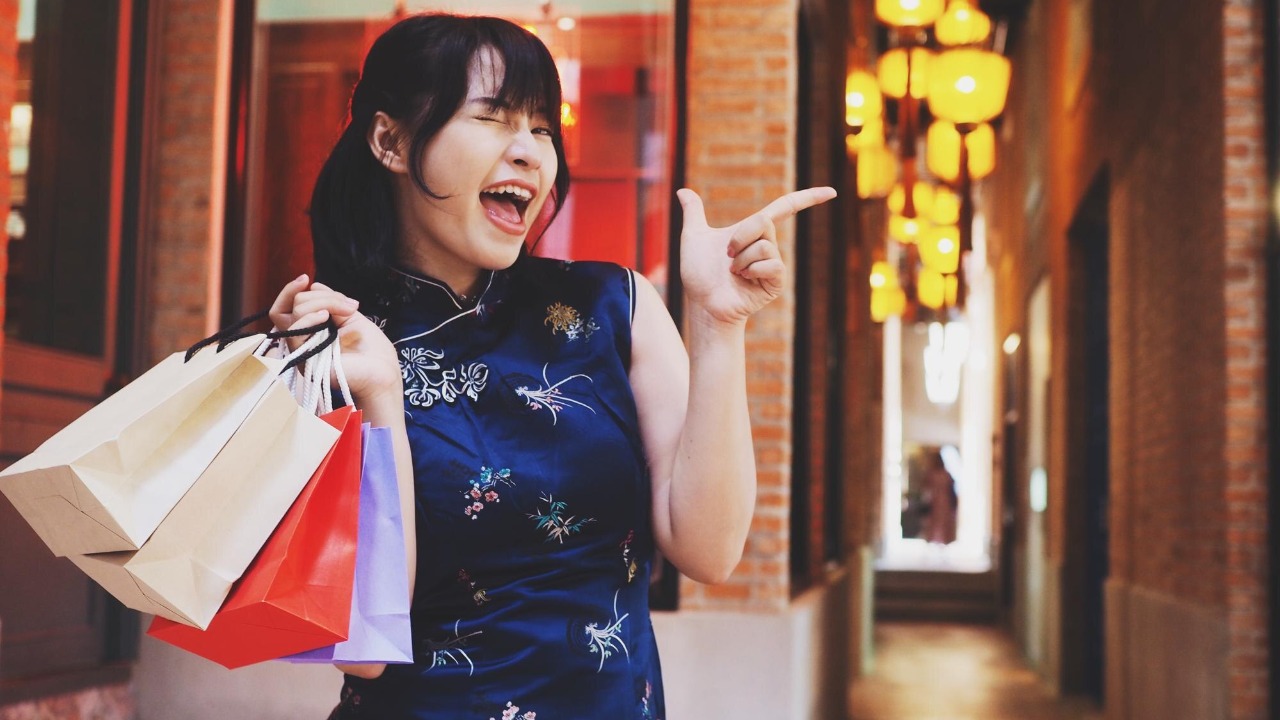
China’s swelling ranks of single adults are quietly rewriting the country’s consumer playbook. Instead of saving for weddings, mortgages, and children, a growing share of urban professionals is channeling disposable income into personal comfort, emotional wellbeing, and flexible lifestyles. That shift is rippling through everything from housing and home appliances to pet food, fitness apps, and restaurant design.
As household formation slows, big-ticket categories that once powered growth are losing steam, while smaller, experience-driven purchases are gaining ground. I see a consumer economy tilting away from the traditional family unit and toward the individual, with companies racing to capture the spending power of people who live alone, eat alone, and increasingly shop with a “me first” mindset.
The rise of the solo household
China’s demographic story is no longer just about aging and low birthrates, it is also about how many people are choosing to live alone. Urbanization, long working hours, and delayed marriage have produced a visible cohort of single professionals who rent compact studios, rely on delivery apps, and prioritize convenience over accumulation. Official statistics and local surveys, reflected in broad data on China, show that one-person households are now a structural feature of the economy rather than a marginal lifestyle choice.
For retailers and brands, that means the archetypal customer is no longer a young couple furnishing a new apartment, but a single office worker optimizing a small space and a busy schedule. Instead of buying full dining sets or large refrigerators, these consumers gravitate toward compact appliances, modular storage, and services that save time. The shift is subtle but powerful, because it changes not only what people buy, but how often they buy, how much they are willing to pay for convenience, and how they define value.
From big-ticket dreams to small indulgences
The slowdown in household formation is hitting traditional pillars of consumption where it hurts. Fewer marriages and smaller households translate into weaker demand for new apartments, renovation projects, and the large appliances that typically accompany a move. Reporting on how singles are reshaping spending patterns notes that the implications for big-ticket categories such as housing, furnishings, and white goods are “more sobering,” as young adults postpone or abandon purchases that once marked life milestones, a trend that is already visible in the cooling of big-ticket spending.
At the same time, the same analysis highlights a “rare pocket of resilience” in categories that cater to everyday comfort and self-care. Singles who are not tying up cash in mortgages or children’s education are more willing to spend on premium skincare, better coffee, or upgraded home entertainment. That helps explain why companies positioned around personal care and lifestyle are outperforming more traditional household brands, even as the broader consumer recovery remains uneven.
Beauty, pets, and the business of self-care
One of the clearest winners from the single-economy shift is the beauty and personal care sector. Singles, especially in large cities, are investing in skincare, cosmetics, and grooming products that support a polished professional image and a sense of personal indulgence. Shares of Shanghai Jahwa United, a major player in this space, have reflected that interest, with the stock trading at 23.170 and showing a move of 0.83%, while pet-focused Yantai China Pet Foods has been quoted at 52.960 with a change of 0.58%, figures that underscore how investors are betting on companies like Shanghai Jahw and its peers to capture this new demand from single consumers who prioritize looking and feeling good, according to detailed market coverage of Shanghai Jahwa United.
Pets are another outlet for both affection and spending. For many single urbanites, a cat or dog fills some of the emotional space once reserved for family, and that shows up in rising sales of premium pet food, veterinary services, and accessories. Yantai China Pet Foods, for example, has benefited from a willingness among owners to pay more for specialized diets and imported ingredients. The pet economy dovetails neatly with the broader self-care trend, as people who live alone treat their animals as companions and status symbols, reinforcing a cycle of discretionary spending that is less tied to macroeconomic cycles and more to lifestyle choices.
Rational, emotional, and “me-first” spending
Even as singles spend more on themselves, they are not spending blindly. Marketers describe a new “rational consumer” mindset in which shoppers scrutinize prices, compare product claims, and look for genuine utility before committing to a purchase. Analysis of this trend, framed as “The rational consumer: Why China’s shoppers are spending smarter, not more,” argues that Chinese buyers are increasingly focused on value, authenticity, and function, with brands under pressure to prove that their products solve real problems rather than simply ride on celebrity endorsements, a shift that is reshaping how Why China’s brands talk to Chinese consumers.
At the same time, there is a parallel rise in what local commentators call “emotional consumption,” particularly among younger shoppers who use small treats to offset stress and overwork. Video discussions of this trend describe how people leave offices, go home alone, and then turn to snacks, games, or beauty products as a way to manage pressure, with one widely shared clip explaining that the workplace is “as an entity where people just go to work they go home they’re able to to deal with any kind of stress or overwork” through these purchases, a dynamic that has turned emotional spending into a mainstream topic by Oct. Singles sit at the intersection of these two forces, demanding both emotional payoff and rational justification, which is why brands that combine functional benefits with a sense of reward are gaining traction.
Singles Day, subsidies, and the search for happiness
Nowhere is the single consumer more visible than during Singles Day, the annual shopping festival that has become a barometer of household sentiment. Recent coverage of the event notes that there is always “a micro trend” within the broader sales surge, and that this year, many of those micro trends were tied to products promising happiness or other emotional satisfaction. At the same time, government Subsidies have been Helping to boost sales of home appliances through trade-in programs, showing how policy can temporarily nudge even cautious singles toward bigger purchases when the deal is compelling enough.
Yet the underlying pattern remains one of selective splurging rather than broad-based exuberance. Singles Day has evolved from a discount frenzy into a curated hunt for items that fit a more introspective lifestyle, from noise-cancelling headphones for shared apartments to compact air fryers for one-person meals. For many single shoppers, the festival is less about stocking up on essentials and more about finding one or two items that promise to make solitary life more comfortable or more fun, a mindset that aligns with the broader shift toward rational yet emotionally charged consumption.
Wellness, weight loss, and the body as a project
Health and wellness have become another major outlet for single adults’ spending power. With more control over their schedules and diets, many are treating their bodies as long-term projects, investing in gym memberships, fitness trackers, and specialized nutrition. Reporting on the latest consumer craze notes that weight loss has become one of the hottest new themes in China, with a wellness boom that stretches from gyms and diet apps to new injectable drugs, a trend that analyst Tanner Brown links directly to changing spending habits in China.
For single professionals, these products and services are not just about aesthetics, they are also about control and resilience in an uncertain economy. A carefully managed body can feel like one of the few variables an individual can fully influence, especially when career prospects and housing markets look volatile. That helps explain why wellness spending is holding up even as other discretionary categories soften, and why brands that promise measurable health outcomes are resonating with a demographic that prides itself on being both rational and self-focused.
Solo dining and the redesign of public space
The rise of single adults is also changing how restaurants and public spaces are designed. What used to be seen as a stigma, eating alone in public, is now increasingly normalized, with operators recognizing that solo customers can be just as profitable as groups if the experience is tailored to them. Industry analysis of 2025 trends notes that Dining solo was once stigmatized and considered a sign of loneliness and social isolation, but that this perception is shifting fast, with single diners now viewed as a key part of the future of the food service industry, a shift that is prompting chains and independents alike to rethink layouts and menus in light of Dining trends.
In practice, that means more counter seating, smaller table formats, and menus that make it easy to order single portions without feeling awkward. Technology is also smoothing the way, with QR-code ordering and app-based loyalty programs reducing the social friction of eating alone. For landlords and urban planners, the message is clear: as solo living becomes more common, spaces that make individuals feel comfortable, safe, and seen will capture more foot traffic and spending, while those that cling to a family-only model risk being left behind.
More From TheDailyOverview

Grant Mercer covers market dynamics, business trends, and the economic forces driving growth across industries. His analysis connects macro movements with real-world implications for investors, entrepreneurs, and professionals. Through his work at The Daily Overview, Grant helps readers understand how markets function and where opportunities may emerge.

