
Imagine a world where billionaires actively invested in building homeless shelters. Such a move could potentially transform the landscape of homelessness by providing immediate relief and long-term solutions. Here, I explore the potential impacts and challenges of such a philanthropic shift.
The Current State of Homelessness
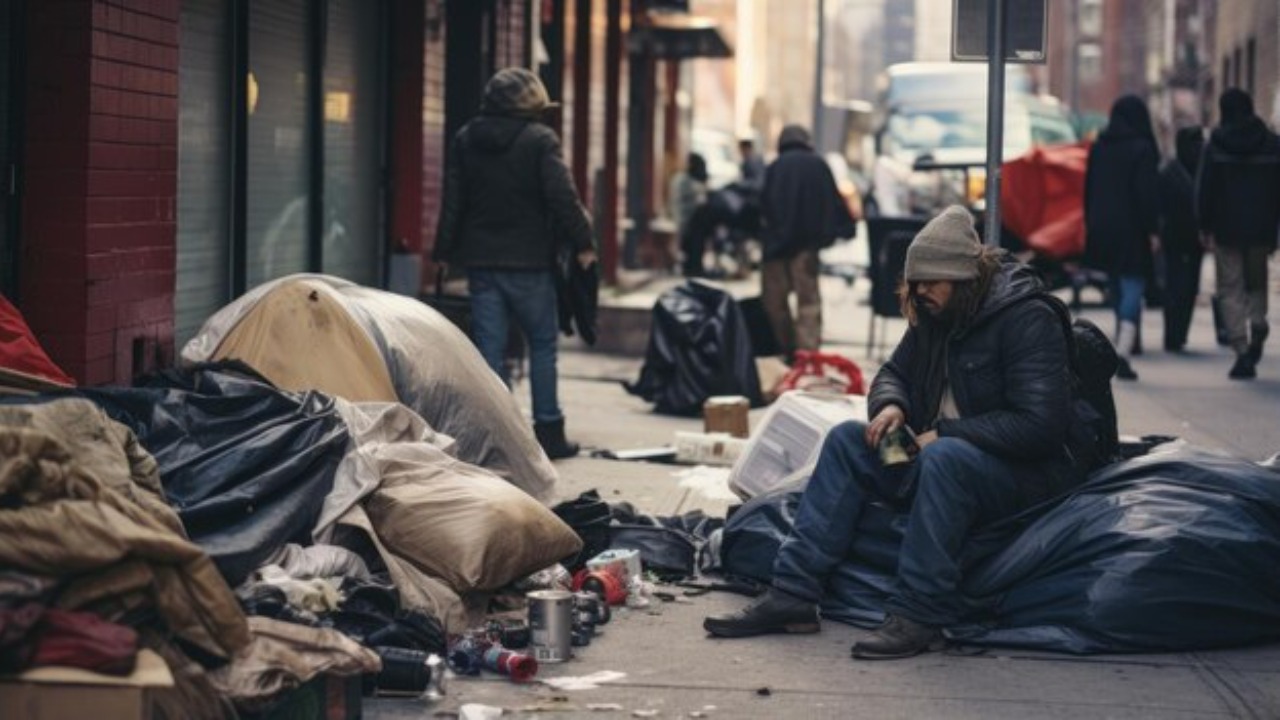
Homelessness remains a pervasive issue worldwide, with millions of individuals lacking stable housing. According to recent statistics, an estimated 580,000 people experience homelessness on any given night in the United States alone. These numbers highlight a persistent crisis that affects communities of all sizes, reflecting a complex interplay of social, economic, and political factors.
The challenges faced by the homeless are multifaceted. They often include a lack of affordable housing, mental health issues, and chronic unemployment. Many individuals find themselves trapped in a cycle of poverty, exacerbated by limited access to mental health care and job opportunities. Existing support systems, such as shelters and social services, offer some relief but often fall short due to overcrowding and underfunding.
The Role of Billionaires in Philanthropy
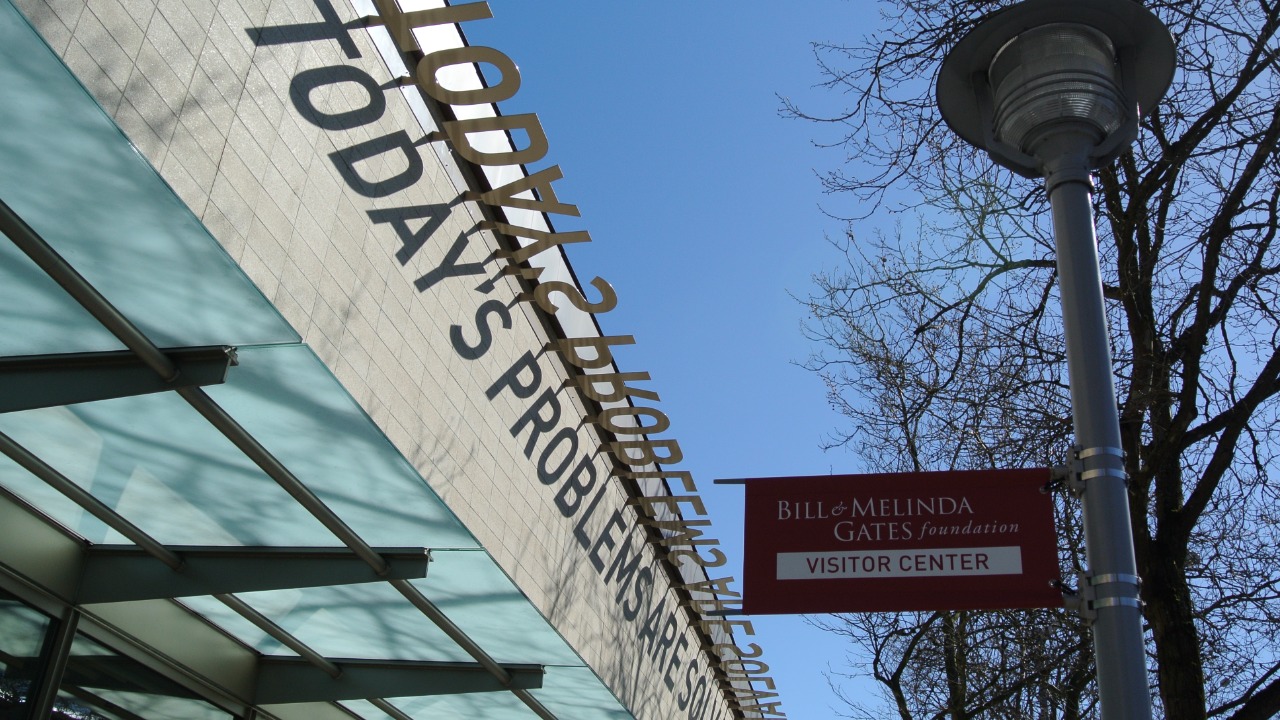
Throughout history, billionaires have played a significant role in philanthropy, using their wealth to address various societal issues. From Andrew Carnegie’s libraries to Bill and Melinda Gates’ global health initiatives, the impact of billionaire philanthropy is undeniable. These efforts often stem from a desire to leave a lasting legacy and contribute to the public good.
Billionaires may be motivated to invest in homeless shelters for several reasons. Some may see it as an opportunity to make a tangible difference in their communities, while others might be driven by personal experiences with homelessness. Case studies of successful billionaire-led initiatives, such as Michael Bloomberg’s public health campaigns, have demonstrated the potential for significant societal impact when substantial resources are directed toward pressing issues.
Potential Benefits of Billionaires Building Homeless Shelters

One of the most immediate benefits of billionaires investing in homeless shelters is the provision of instant relief for those without a home. Increased shelter availability can offer a safe haven for individuals and families, providing them with shelter, security, and access to essential services. This immediate support can be life-changing for those who have been living on the streets.
The long-term societal impacts of such investments could be profound. By reducing homelessness, communities might experience lower crime rates, decreased healthcare costs, and a reduction in unemployment. Furthermore, the economic benefits could extend to local economies, as the construction and operation of shelters create jobs and stimulate economic activity. For more insights, a discussion on how a billion-dollar donation could transform shelters offers valuable perspectives.
Challenges and Criticisms

Despite the potential benefits, several challenges and criticisms must be addressed. Financial and logistical hurdles can complicate the process of building and maintaining shelters at scale. The complexities of real estate, zoning laws, and long-term funding require careful planning and substantial resources to overcome.
Public perception often includes skepticism about billionaire involvement in social issues. Concerns about potential ulterior motives, such as tax benefits or public relations, can overshadow the positive contributions. Additionally, ethical considerations arise when wealthy individuals exert significant influence over public initiatives. For a deeper understanding of these dynamics, exploring the role of billionaires in public debates offers valuable insights.
Innovative Approaches and Solutions
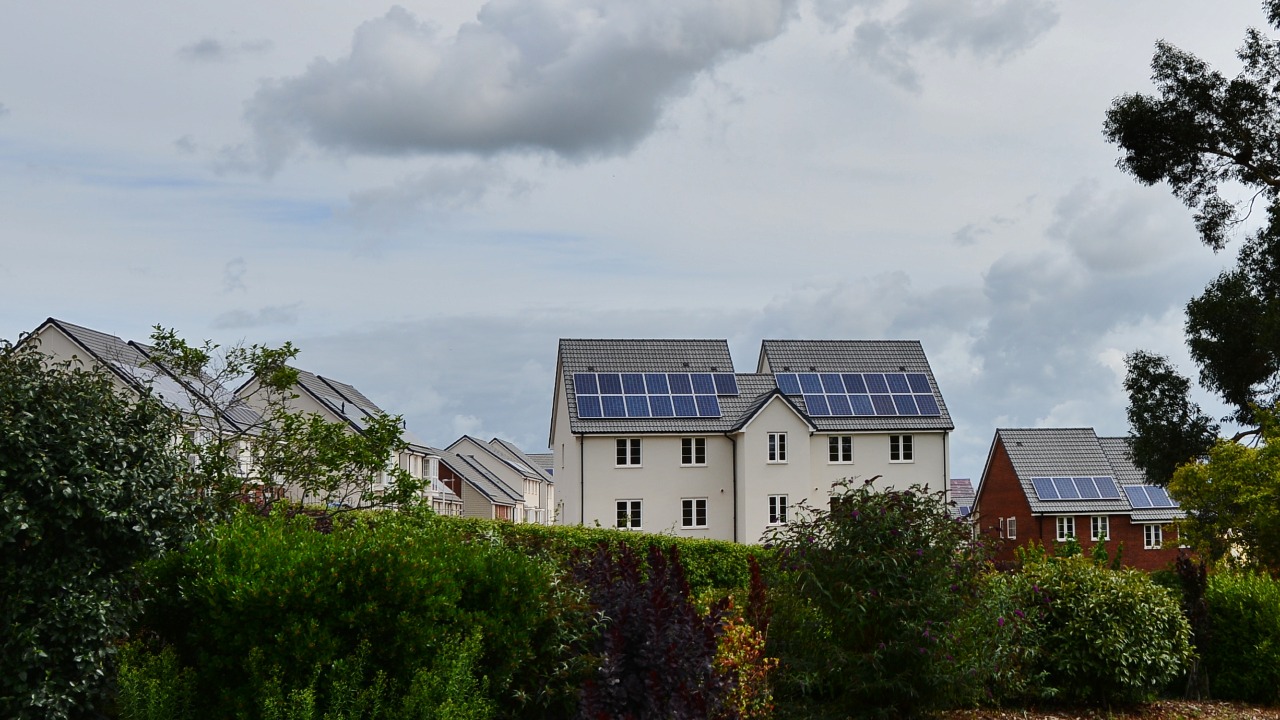
Innovative approaches to shelter design could help overcome some of these challenges. By focusing on sustainable, eco-friendly, and cost-effective building methods, philanthropists can create shelters that are not only more affordable but also environmentally responsible. Integrating services such as mental health care and job training programs into shelters can provide holistic support for residents, helping them transition to stable housing and employment.
Collaborations with government agencies and NGOs are crucial in maximizing the impact of billionaire investments. By working together, these entities can pool resources, share expertise, and develop comprehensive strategies to address homelessness. The importance of partnerships in addressing complex social issues cannot be overstated, as highlighted in this detailed analysis of philanthropic models.
The Future of Homelessness Solutions

If billionaires increasingly invest in homelessness solutions, there could be significant policy implications. Their involvement might drive public policy changes, leading to increased funding and support for homeless initiatives. By setting an example, philanthropists can encourage others in their economic bracket to contribute to social causes, expanding the philanthropic model.
Envisioning a world where homelessness is significantly reduced requires collective efforts from all sectors of society. By combining the resources and influence of billionaires with the expertise of non-profits and governmental support, a future where homelessness is no longer a pervasive issue becomes possible. As demonstrated in other sectors, collaborative efforts can lead to transformative change, offering hope for a brighter future for all.
“`

Cole Whitaker focuses on the fundamentals of money management, helping readers make smarter decisions around income, spending, saving, and long-term financial stability. His writing emphasizes clarity, discipline, and practical systems that work in real life. At The Daily Overview, Cole breaks down personal finance topics into straightforward guidance readers can apply immediately.
