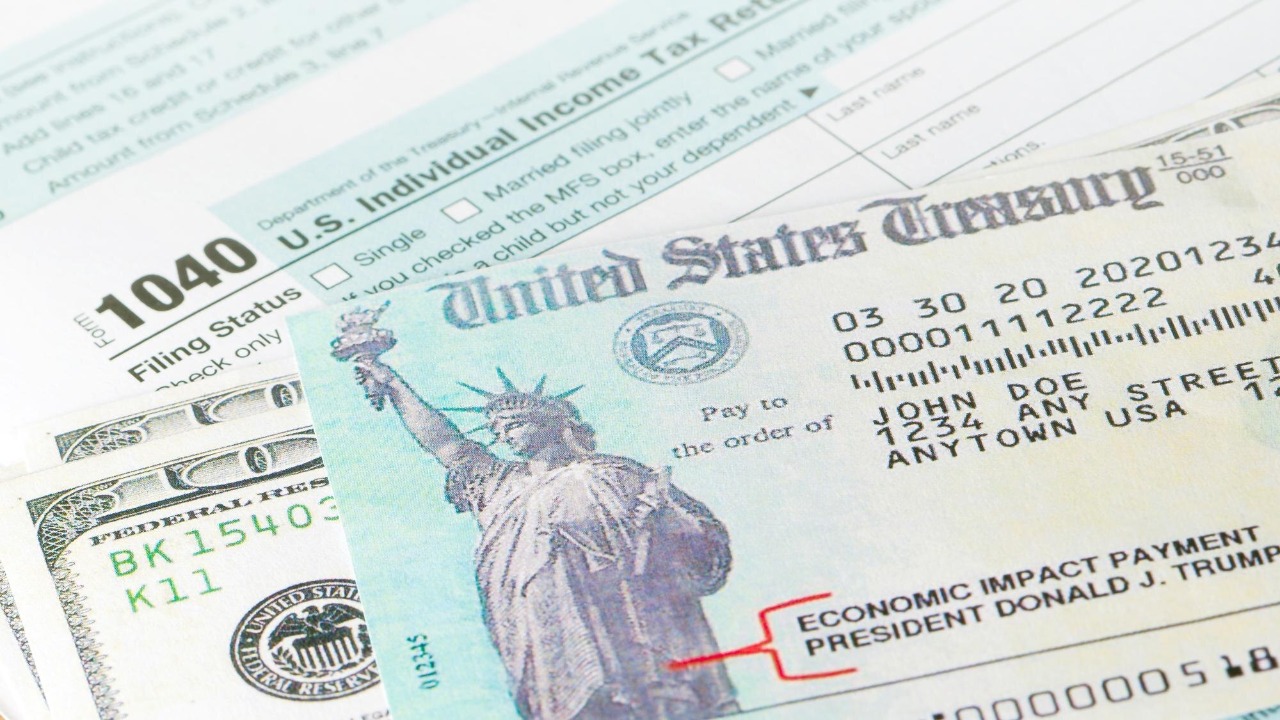
In 2025, several U.S. states are stepping up to provide financial relief to their residents through rebate and stimulus checks. This initiative comes as part of ongoing efforts to stabilize local economies and support households in the face of rising costs and inflation. We explore which states are participating and whether you might be eligible to receive a payment.
The Economic Rationale Behind State Stimulus Checks

As inflation pressures continue to affect household budgets, state governments have recognized the need for targeted financial interventions. These stimulus checks aim to alleviate financial burdens on residents, helping them manage daily expenses. By injecting cash directly into the hands of consumers, states hope to stimulate spending, thereby invigorating local businesses and economies.
Recent studies have shown that direct cash transfers can significantly boost consumer confidence and spending. For example, a study published in ScienceDirect highlights the positive effects of such measures on economic activity. These interventions are particularly vital as they can support economic growth in sectors hit hardest by economic downturns.
States Leading the Charge in 2025

Eight states are taking bold steps by issuing rebate and stimulus payments in 2025. These states include New York, Alaska, California, Texas, Florida, Illinois, Oregon, and Massachusetts. Each state has tailored its program to meet specific local needs, setting criteria that determine eligibility for residents.
For instance, in New York, the eligibility criteria focus on income levels, with additional provisions for families with children. Meanwhile, Alaska continues with its unique Permanent Fund Dividend program, distributing oil revenue directly to residents. California’s initiative targets low to moderate-income households, aiming to provide relief to those most affected by inflation. The anticipated impact on state budgets varies, with some states utilizing budget surpluses while others may reallocate funds from existing programs.
Comparative Analysis: State vs. Federal Stimulus Initiatives

While federal stimulus checks have garnered significant attention, state-level initiatives offer a more localized approach. The scope and scale of state programs are generally narrower, allowing for more targeted interventions. This contrasts with federal efforts, which aim for broader economic support across the nation. State initiatives often complement federal programs by addressing gaps and providing additional relief to populations that may not fully benefit from federal aid.
Historically, states have played a crucial role in economic recovery efforts. For example, during the economic downturn of the early 2010s, several states implemented successful relief programs that bolstered local economies. A detailed examination of state versus federal efforts can be found in publications such as Google Books. These case studies underscore the importance of coordinated efforts between state and federal governments to maximize economic relief.
Who Qualifies for These Payments?
Eligibility for these state-provided payments typically hinges on several factors, including income thresholds, household size, and employment status. For example, California residents earning below a specified income level may qualify for stimulus payments, while New York offers additional assistance to families with dependent children.
Many states also incorporate provisions for marginalized and vulnerable populations, ensuring that those most in need receive support. This might include additional payments for disabled individuals, seniors, or those receiving unemployment benefits. Residents can typically apply for these payments through state tax agencies or dedicated websites. Detailed criteria and application processes are often outlined on state government websites or through resources like the Tax Policy Center.
Potential Long-Term Effects on State Economies

The distribution of stimulus payments is expected to have far-reaching effects on state economies. In the short term, these payments can boost economic activity by increasing consumer spending. In the long run, they may contribute to economic stability by supporting local businesses and reducing unemployment rates. However, the success of these measures largely depends on the effective allocation of resources and the ability to address underlying economic challenges.
Economists have expressed both optimism and caution regarding these initiatives. While they acknowledge the potential for positive outcomes, they also warn of challenges such as inflationary pressures and budgetary constraints. As states navigate these complex dynamics, policy recommendations point towards a balanced approach that considers both immediate relief and sustainable economic growth. The Economic Times provides insights into ongoing debates and future strategies for state-level economic interventions.

Julian Harrow specializes in taxation, IRS rules, and compliance strategy. His work helps readers navigate complex tax codes, deadlines, and reporting requirements while identifying opportunities for efficiency and risk reduction. At The Daily Overview, Julian breaks down tax-related topics with precision and clarity, making a traditionally dense subject easier to understand.

