
In the ever-evolving real estate market, certain types of homes tend to face more challenges when it comes to finding a buyer. According to real estate experts, understanding these types of properties can help sellers manage their expectations and devise more effective strategies. Here, we delve into the four types of homes that are currently the hardest to sell.
Location, Location, Location

Homes in Remote or Rural Areas
One of the key challenges for homes situated in remote or rural areas is attracting buyers who prioritize convenience and access to amenities. Many potential buyers today are looking for properties near urban centers where they can easily access employment opportunities, shopping, healthcare, and entertainment. The lack of such facilities in rural areas can make these homes less appealing, particularly to younger buyers or those with families who need to be closer to schools and other essential services.
Moreover, the limited access to public transportation in these areas further complicates the sales process. Buyers who rely on public transit for their daily commute often dismiss rural properties due to the increased reliance on personal vehicles. This necessity can lead to higher transportation costs, which can be a deterrent for budget-conscious buyers. In addition, the absence of nearby essential services like hospitals and grocery stores can make living in remote areas impractical for many, further limiting the pool of potential buyers.
Properties in Declining Neighborhoods
Properties located in declining neighborhoods face significant challenges due to local economic downturns. As industries shutter and jobs disappear, these areas often experience a decrease in property values, making it difficult for sellers to price their homes competitively. Potential buyers may be hesitant to invest in neighborhoods with uncertain futures, fearing that their investment may not appreciate over time. The perception of safety is another critical factor that impacts buyer interest in these areas. High crime rates or the mere perception of danger can deter potential buyers, who may be unwilling to risk the safety of their families.
Additionally, properties in economically struggling neighborhoods often suffer from neglect and lack of maintenance, further diminishing their appeal. The overall atmosphere of decline can be off-putting to buyers, who might prefer to invest in communities showing signs of growth and revitalization. As a result, homes in these neighborhoods often languish on the market for extended periods, requiring sellers to either lower their asking prices or invest in significant improvements to attract buyers.
Unique or Unconventional Designs
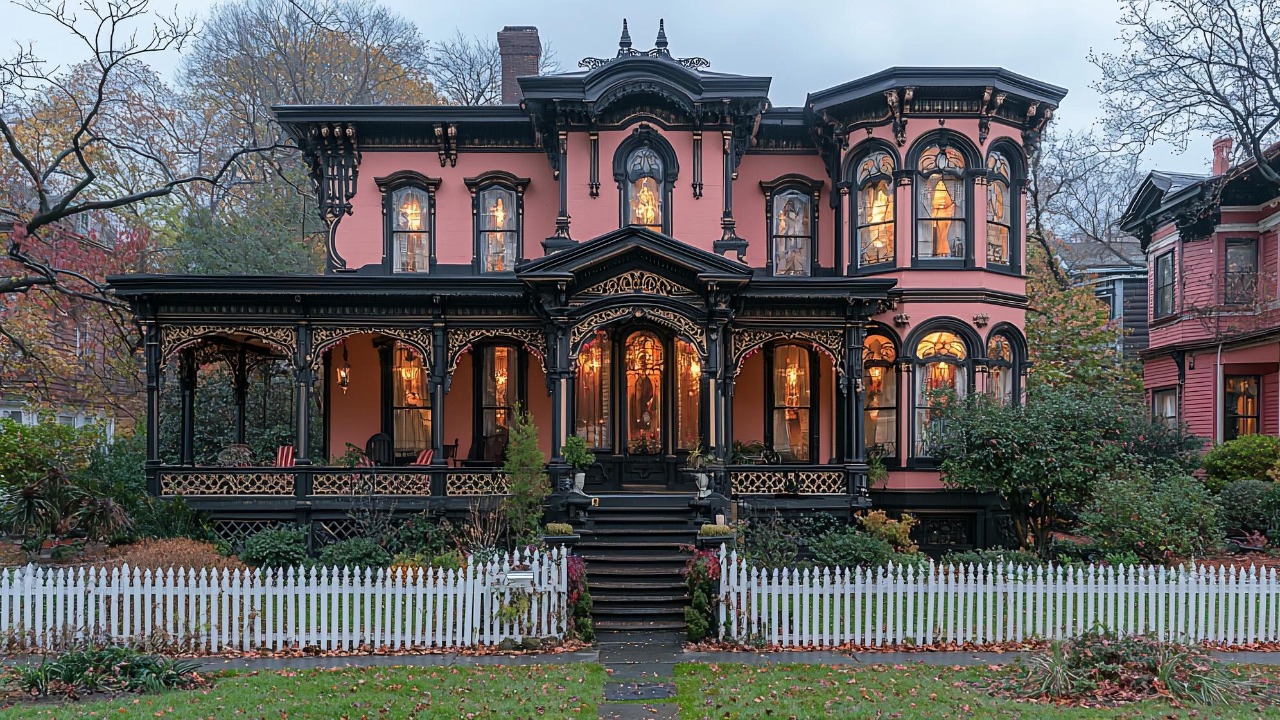
Homes with Overly Personalized or Niche Architectural Styles
While unique or unconventional designs can make a home stand out, they often struggle to appeal to mainstream buyers who prefer more traditional styles. Homes with highly personalized architectural features, such as those inspired by specific historical periods or cultural influences, may only attract a niche audience. This narrow appeal can significantly reduce the pool of potential buyers, making it challenging to sell such properties.
The potential costs associated with renovating or remodeling these homes can also deter buyers. Many prospective homeowners prefer move-in-ready properties that don’t require substantial alterations to fit their tastes. When faced with the prospect of costly renovations, buyers may opt for homes with more conventional designs that better meet their needs. This preference can leave sellers of uniquely styled homes at a disadvantage, often resulting in longer time on the market and potentially lower sale prices.
Outdated or Quirky Interior Layouts
Homes with outdated or quirky interior layouts often face challenges related to functionality and flow. Many modern buyers seek open floor plans that facilitate seamless movement between living spaces. Properties with compartmentalized layouts, small or awkwardly shaped rooms, or unconventional design elements can feel restrictive and impractical to potential buyers.
To attract buyers, sellers of such homes may need to invest in significant renovations to modernize the interior space. The cost and effort required to bring these properties in line with current design trends can be prohibitive for many buyers, who may prefer to purchase homes that already meet their functional and aesthetic needs. As a result, these properties may linger on the market, requiring sellers to adjust their pricing expectations or offer incentives to entice potential buyers.
Luxury Properties

High-End Homes in Oversaturated Markets
The luxury real estate market often faces unique challenges, particularly in areas where there is an oversupply of high-end homes. In such markets, luxury properties must compete against numerous listings, making it difficult for individual homes to stand out. Sellers may need to invest in high-quality marketing and staging to showcase their property’s unique features and appeal to discerning buyers.
Economic fluctuations can also impact the purchasing power of luxury buyers, adding another layer of complexity to selling these homes. During economic downturns, potential buyers may be more cautious with their investments, leading to decreased demand for high-end properties. This shift can result in longer selling times and the need for sellers to adjust their pricing strategies to align with market conditions.
Maintenance and Upkeep Costs
Luxury properties often come with substantial maintenance and upkeep costs, which can deter potential buyers. The financial burden of managing large homes, extensive grounds, and high-end amenities may be off-putting to those who are not prepared for the ongoing expenses associated with luxury living. Additionally, the complexity of maintaining these properties can be a significant consideration for buyers, who may prefer homes that require less effort to manage.
Sellers of luxury properties may need to highlight any recent upgrades, energy-efficient features, or maintenance investments to reassure potential buyers of the property’s condition and value. By addressing these concerns, sellers can increase their chances of attracting buyers who are willing to take on the responsibilities associated with owning a luxury home.
Fixer-Uppers and Homes in Disrepair

The Stigma of Buying a “Money Pit”
Homes that require extensive renovations or repairs often carry the stigma of being a “money pit,” which can deter potential buyers. Many prospective homeowners are wary of hidden costs and unexpected issues that may arise during the renovation process. The fear of investing significant time and money into a property only to face ongoing problems can be a significant barrier to purchasing fixer-uppers.
To overcome this stigma, sellers may need to provide detailed information about the property’s condition and any estimated costs for necessary repairs. Offering transparency and addressing potential buyer concerns upfront can help alleviate fears and attract those willing to invest in a renovation project. However, even with full disclosure, the need for significant post-purchase investment can still limit the pool of interested buyers.
Financing Challenges
Financing can be a significant hurdle for buyers interested in fixer-uppers or homes in disrepair. Many lenders are hesitant to approve loans for properties that require extensive work, as the risk associated with such investments can be high. Additionally, appraisal issues can arise, with the property’s current condition potentially affecting its assessed value and, consequently, the buyer’s ability to secure financing.
Buyers may need to explore alternative financing options, such as construction loans or renovation-specific mortgages, to make these purchases feasible. However, the added complexity of securing such financing can deter some buyers from pursuing fixer-uppers altogether. Sellers may need to be flexible with their pricing and terms to accommodate the unique challenges associated with selling homes in need of significant repair.
Historical or Heritage Properties
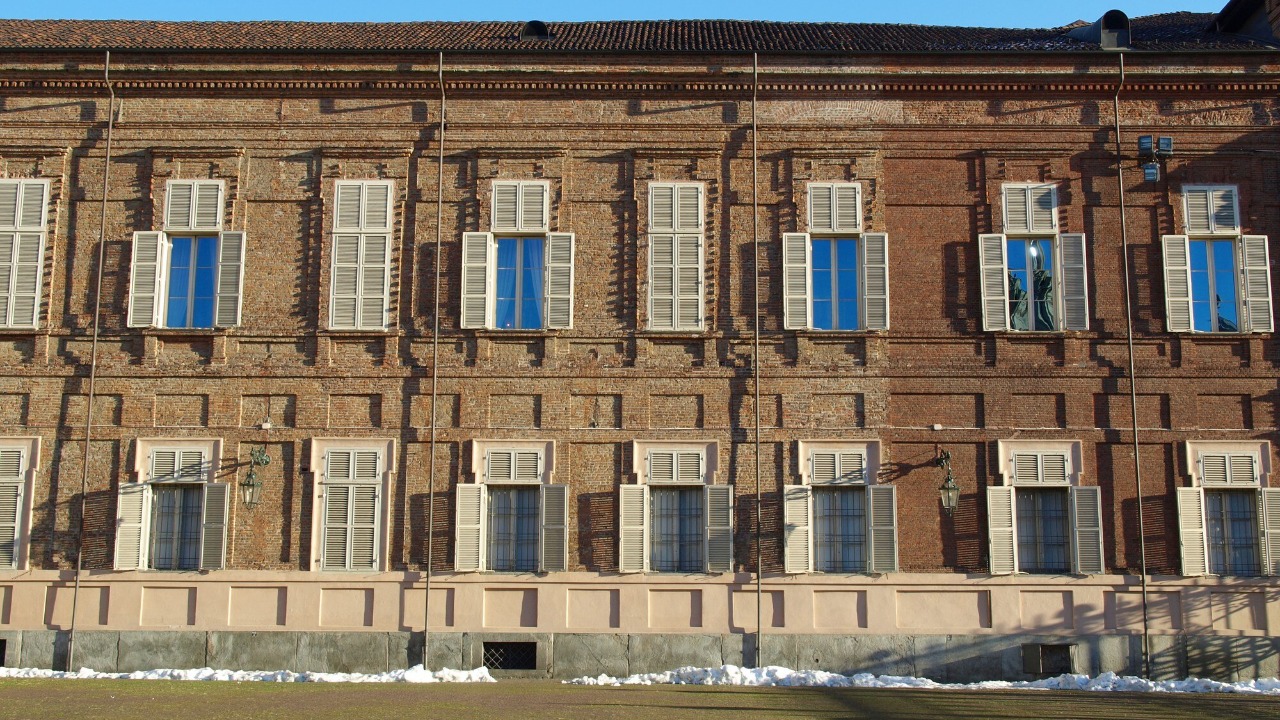
Regulatory and Preservation Restrictions
Historical or heritage properties often come with a unique set of challenges related to regulatory and preservation restrictions. Owners of these homes must comply with strict guidelines to maintain the property’s historical integrity, which can limit the ability to make modifications or updates. Potential buyers may be deterred by the limitations imposed by heritage status, particularly if they have specific renovation plans in mind.
Sellers of historical properties must be prepared to educate potential buyers on the requirements and responsibilities associated with owning a heritage home. Highlighting the property’s historical significance and any preservation efforts undertaken can attract buyers interested in maintaining and celebrating the home’s history. However, it’s essential to balance this with clear communication about the restrictions and potential challenges involved.
High Maintenance Requirements
Maintaining a historical property often requires a significant financial investment, as these homes may need specialized repairs and restorations to preserve their unique features. The costs associated with maintaining historical integrity can be high, potentially deterring buyers unprepared for the ongoing expenses. Additionally, owning a heritage property may require specialized knowledge or expertise to address specific maintenance needs, adding another layer of complexity for potential buyers.
Sellers can mitigate these concerns by providing detailed information on recent restoration work and ongoing maintenance efforts. Highlighting partnerships with preservation experts or organizations can reassure buyers of the property’s condition and value. By addressing these challenges, sellers can attract buyers who appreciate the historical significance of the property and are willing to invest in its preservation.

Elias Broderick specializes in residential and commercial real estate, with a focus on market cycles, property fundamentals, and investment strategy. His writing translates complex housing and development trends into clear insights for both new and experienced investors. At The Daily Overview, Elias explores how real estate fits into long-term wealth planning.