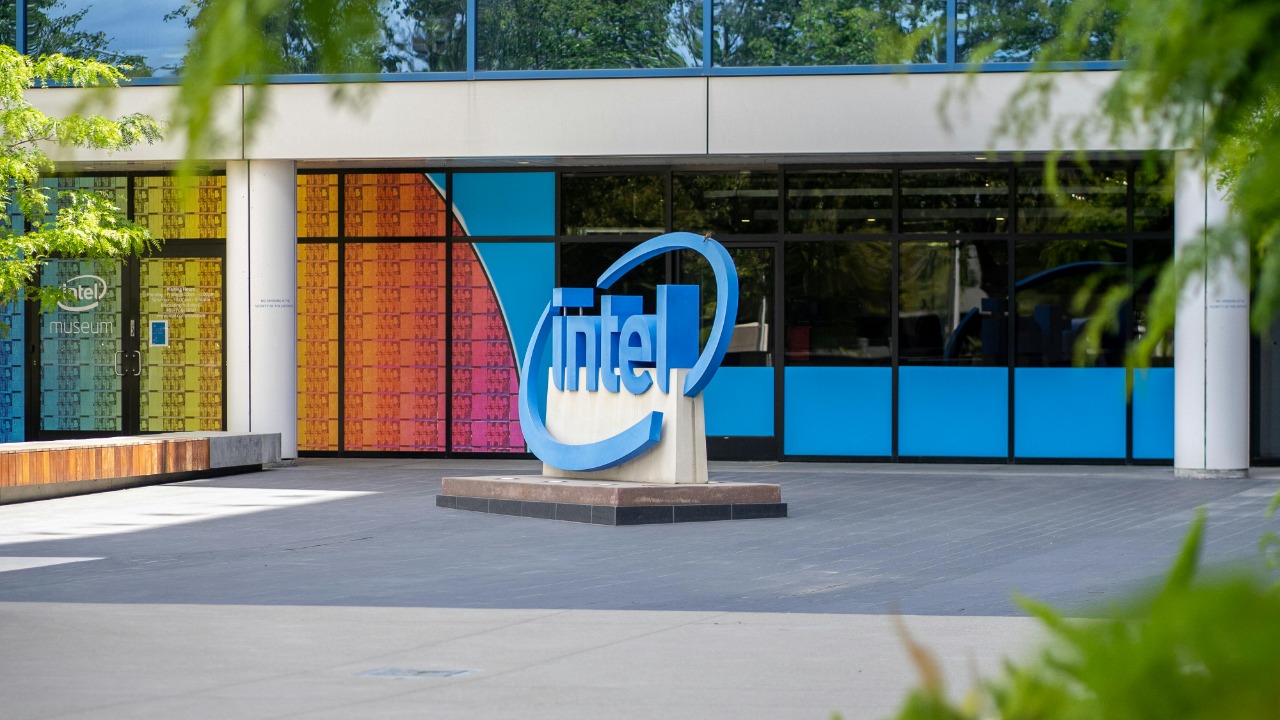
In a surprising move, President Donald Trump has called for the resignation of Intel CEO Lip-Bu Tan, citing dissatisfaction with the company’s strategic direction and its impact on American jobs. This announcement coincided with a notable drop in Intel’s stock price, raising questions about the potential influence of political figures on corporate governance and market stability.
The Catalyst for Trump’s Call
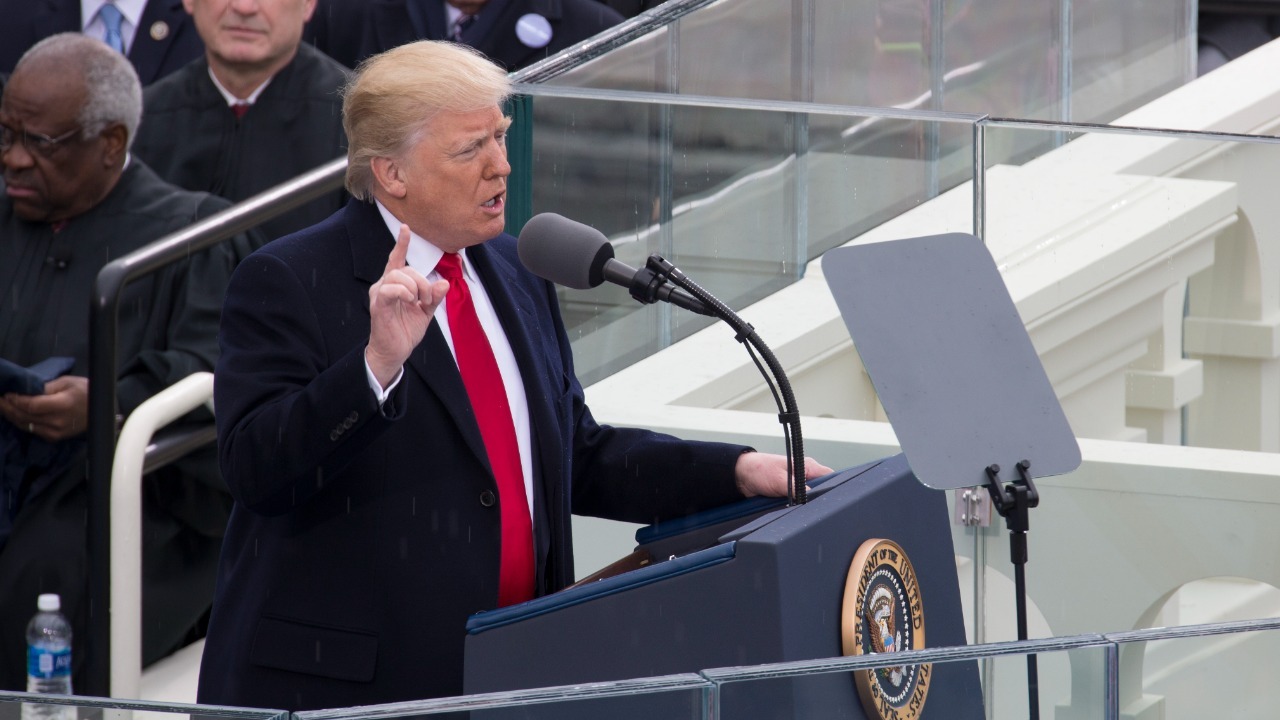
Donald Trump’s call for Intel CEO Lip-Bu Tan to resign is rooted in a broader dissatisfaction with the company’s business strategies, particularly its decision to expand operations and manufacturing capabilities outside the United States. Trump, known for his “America First” economic policies, has long been critical of companies that outsource jobs and resources, arguing that such moves undermine American workers and the economy. Intel’s recent decisions to invest in manufacturing facilities in countries like Ireland and Israel, while scaling back certain domestic operations, have likely exacerbated Trump’s concerns.
The impact of Intel’s business decisions extends beyond just the company’s bottom line. By opting to manufacture its chips abroad, Intel has potentially affected thousands of American jobs in the semiconductor industry. This has raised alarms among policymakers and economists who are wary of the implications for the U.S. economy, particularly as it seeks to maintain its technological edge over global competitors like China. Trump’s call for Tan’s resignation can thus be seen as part of his broader push to incentivize companies to keep jobs within the United States.
To understand Trump’s call, it’s essential to consider his economic policies, which have consistently emphasized domestic job creation and industrial growth. His administration’s implementation of tariffs and trade barriers aimed to protect American industries, a stance that aligns with his demand for a change in Intel’s leadership. Trump’s focus on reshoring jobs and bolstering domestic manufacturing likely played a significant role in his call for Tan’s resignation, as he seeks to align corporate strategies with his vision for America’s economic future.
Market Reaction and Stock Impact

The immediate effect of Trump’s announcement was a notable drop in Intel’s stock price, sparking concerns among investors and analysts. According to Barron’s, Intel’s shares fell by nearly 5% within hours of Trump’s statement, as market participants reacted to the uncertainty surrounding the company’s leadership and strategic direction. This decline underscores the significant influence that political figures can have on market dynamics, especially when they target high-profile companies like Intel.
Contextualizing this stock movement within the broader tech market reveals a mixed investor sentiment. While some investors are concerned about the potential instability caused by Trump’s call, others view it as an opportunity to buy into a tech giant at a lower price. Intel’s stock performance in recent years has been under scrutiny due to challenges in maintaining market share and competitive positioning. The sudden decline in stock value could be a reflection of these underlying issues, compounded by the uncertainty of political interference.
Experts have weighed in on the potential long-term implications of Trump’s call for Tan’s resignation. Analysts from CNBC suggest that while the immediate stock impact is concerning, the company’s fundamentals remain strong. However, they caution that continued political interference could deter investors and hinder Intel’s ability to execute its strategic plans. The situation highlights the delicate balance between political influence and corporate governance, raising questions about the future direction of Intel’s market value.
Intel’s Strategic Challenges

Under Lip-Bu Tan’s leadership, Intel has faced significant strategic challenges in maintaining its position as a leader in the semiconductor industry. The company has been striving to innovate and adapt to rapidly changing technological demands while facing intense competition from rivals like AMD and Nvidia. Intel’s recent strategic decisions, such as its focus on expanding manufacturing capabilities abroad, aim to address these challenges but have not been without controversy.
One of the key challenges for Intel is the pressure to stay ahead in the semiconductor race, particularly as demand for advanced chips continues to grow. With competitors investing heavily in research and development, Intel’s ability to deliver cutting-edge technology is crucial. However, the company’s efforts to innovate have been met with mixed results, as it grapples with production delays and supply chain disruptions. These challenges have put additional pressure on Tan’s leadership and the company’s strategic direction.
Intel’s attempts to address these challenges include initiatives to increase production capacity and improve manufacturing processes. However, the company’s reliance on global operations has raised questions about its commitment to domestic job creation and economic growth. As Intel navigates these strategic challenges, the call for Tan’s resignation underscores the complexities of balancing global expansion with the need to support American workers and the economy.
Political Influence on Corporate Decisions
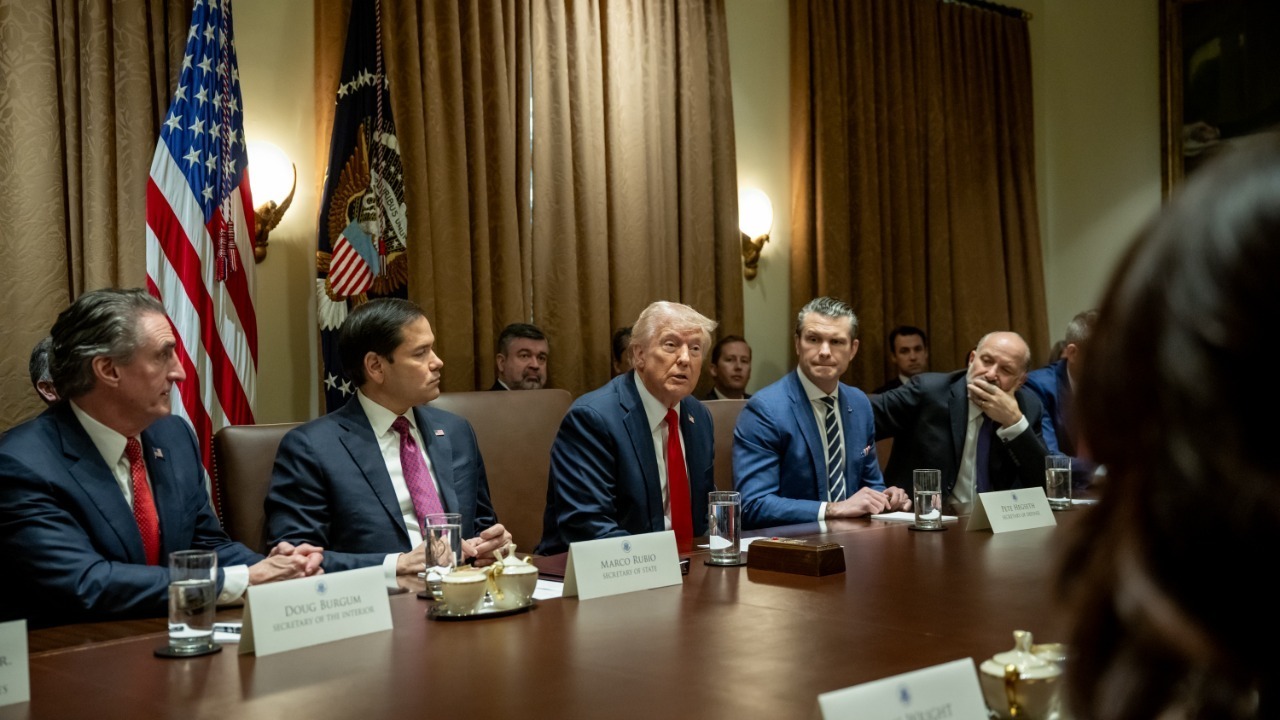
The intersection of politics and corporate governance is not a new phenomenon, but Trump’s call for Lip-Bu Tan’s resignation brings it into sharp focus. Historically, political figures have wielded influence over corporate decisions, often with significant market consequences. Trump’s intervention in Intel’s leadership highlights the ongoing debate over the role of politics in business operations, particularly when it comes to issues of economic nationalism and job creation.
The ethical and practical implications of political interference in corporate governance are multifaceted. On one hand, political pressure can drive companies to align with national economic goals, potentially benefiting domestic industries and workers. On the other hand, such interference can disrupt strategic autonomy, complicating decision-making processes and creating uncertainty for investors. The case of Intel raises important questions about the extent to which political figures should influence corporate strategies, especially in a globalized economy.
For companies like Intel, navigating political pressures while maintaining strategic autonomy is a complex task. As the semiconductor industry continues to evolve, businesses must balance the demands of political figures with the need to innovate and compete on a global scale. The challenge lies in finding a path that supports national economic interests without compromising corporate objectives, a delicate balance that companies must carefully manage.
Public and Industry Reactions
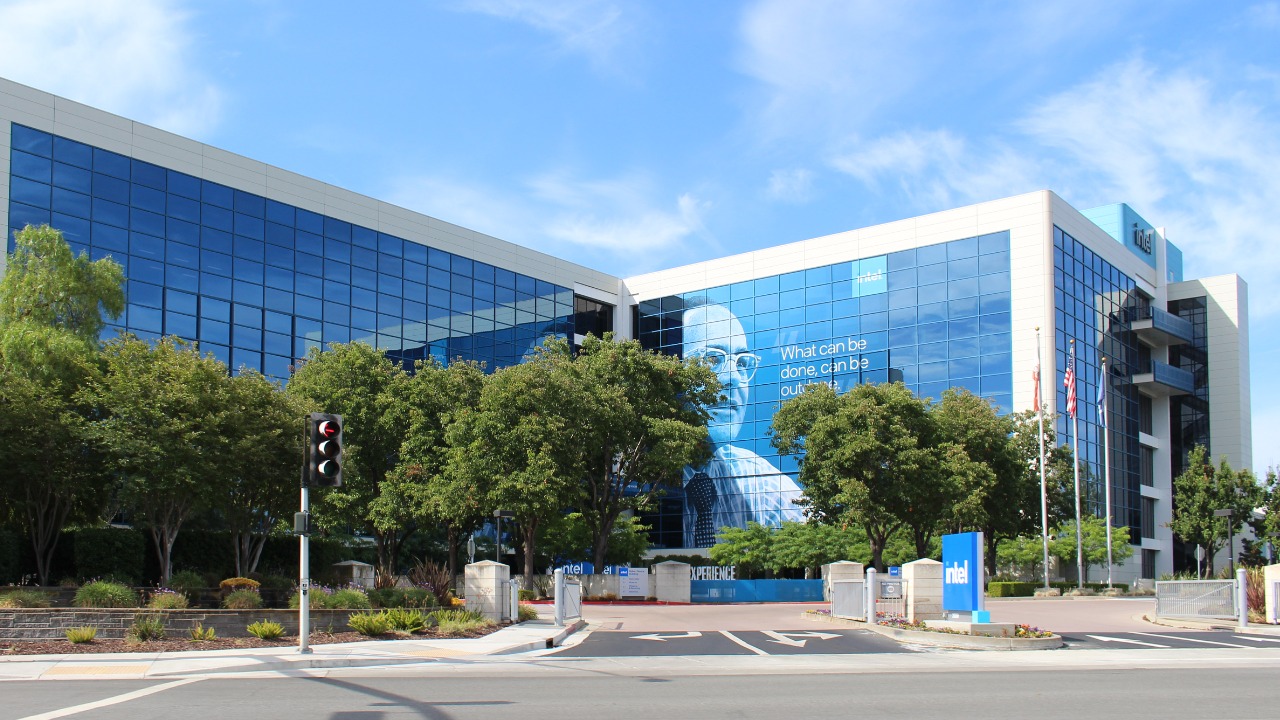
The reactions to Trump’s call for Lip-Bu Tan’s resignation have been varied, reflecting a spectrum of opinions from industry experts, political figures, and the public. Some industry analysts, as reported by The Guardian, view Trump’s intervention as a necessary push for change, arguing that Intel’s current strategic direction is misaligned with national economic priorities. Others, however, caution against political interference, emphasizing the importance of corporate independence in navigating complex global markets.
Public opinion on the matter is similarly divided. While some Americans support Trump’s call as a means of safeguarding domestic jobs and industries, others view it as an overreach of political power that could undermine corporate stability. The potential impact of public sentiment on Intel’s corporate strategies and leadership decisions cannot be ignored, as companies must remain attuned to the expectations and concerns of their stakeholders.
Looking to historical precedents, there have been instances where corporate leadership was challenged by political forces, often leading to significant changes in company strategy and governance. These occurrences offer valuable insights into how companies can respond to political pressures while maintaining their competitive edge. As Intel navigates this complex landscape, the lessons of the past may prove instructive, guiding the company in balancing political expectations with its vision for the future.

Grant Mercer covers market dynamics, business trends, and the economic forces driving growth across industries. His analysis connects macro movements with real-world implications for investors, entrepreneurs, and professionals. Through his work at The Daily Overview, Grant helps readers understand how markets function and where opportunities may emerge.