
President Donald Trump has intensified his calls for the Federal Reserve to cut interest rates to 1%. This proposal has sparked debate over its potential impact on the U.S. economy, particularly concerning jobs, savings, and investments. As the Fed weighs its options, stakeholders across the board are assessing the possible consequences of such a monetary policy shift.
The Current Economic Landscape
The U.S. economy continues to navigate an intricate path marked by evolving inflation rates, fluctuating employment figures, and broader global economic pressures. Inflation has shown signs of easing in recent months, yet it remains a focal point for policymakers trying to balance growth with price stability. Employment rates, too, have been a mixed bag, exhibiting resilience in some sectors while others struggle to regain pre-pandemic levels.
Currently, the Federal Reserve maintains a cautious approach, opting to gradually adjust interest rates in response to economic indicators. Recent statements from the Fed suggest a commitment to a data-driven strategy, emphasizing the importance of monitoring inflation trends and labor market health. Meanwhile, the global economic environment remains a significant factor, with countries like China experiencing slower growth, which could, in turn, influence U.S. economic decisions.
Trump’s Push for Lower Rates

Trump’s advocacy for slashing rates to 1% is rooted in his broader economic vision of spurring growth and competitiveness. During his presidency, he often criticized the Fed for not lowering rates quickly enough, arguing that lower rates would fuel economic expansion and keep the U.S. competitive on the global stage. His current position echoes similar sentiments, aiming to bolster economic activity amid ongoing global uncertainties.
Historically, Trump’s relationship with the Fed has been contentious, marked by frequent public statements urging rate cuts. His renewed push for a 1% target could have political implications, especially as he remains a prominent figure in the Republican Party. Some analysts speculate that Trump’s pressure on the Fed could be as much about political maneuvering as it is about economic strategy, potentially positioning himself favorably with voters who support aggressive economic policies.
Potential Risks to the Job Market

The prospect of a significant rate cut raises questions about its impact on the labor market. Lower rates could stimulate job creation by making borrowing cheaper for businesses, potentially leading to expanded operations and hiring. However, there’s also a risk that an aggressive rate reduction could lead to overheating, sparking inflation, and eroding real wage growth.
Sector-specific effects are also worth considering. Industries such as real estate and construction might benefit from lower borrowing costs, leading to increased activity and job opportunities. Conversely, sectors reliant on consumer confidence, like retail, might face challenges if inflationary pressures undermine purchasing power. Over the long term, the labor market could experience shifts, with some industries flourishing while others languish under new economic conditions.
Implications for Savings and Investments

A rate cut to 1% would have noteworthy implications for personal savings and investment strategies. Savers might face lower yields on traditional savings accounts, prompting a shift towards riskier assets in search of better returns. This could lead to increased volatility in financial markets as individuals and institutions adjust their portfolios.
The stock market could react favorably in the short term, with lower rates potentially boosting corporate profits and stock prices. However, sustained low rates might create bubbles in certain asset classes, risking long-term stability. In the real estate sector, cheaper borrowing costs could spur housing demand, driving up property prices but also raising concerns about affordability and potential market corrections.
Expert Opinions and Economic Forecasts
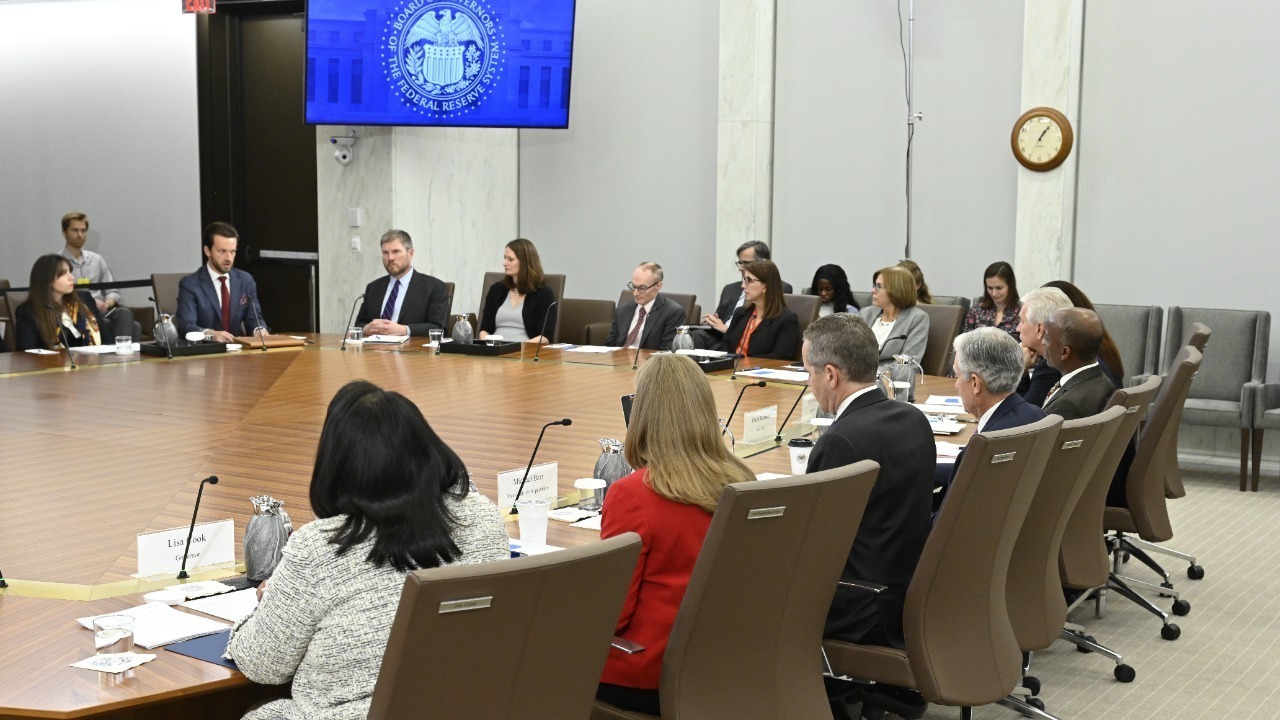
Economists are divided on the potential benefits and drawbacks of a steep rate cut. Some argue that aggressive monetary easing could reignite growth, while others warn of inflationary risks and diminished returns on savings. The Federal Reserve, for its part, continues to emphasize caution, highlighting the need to balance growth with inflation control.
As the debate unfolds, the future outlook for the U.S. economy remains uncertain. Speculative scenarios range from robust economic expansion driven by consumer spending and business investment to potential overheating and inflationary pressures. Stakeholders will be closely watching the Fed’s moves, as well as Trump’s ongoing influence in shaping economic policy discussions.

Grant Mercer covers market dynamics, business trends, and the economic forces driving growth across industries. His analysis connects macro movements with real-world implications for investors, entrepreneurs, and professionals. Through his work at The Daily Overview, Grant helps readers understand how markets function and where opportunities may emerge.

