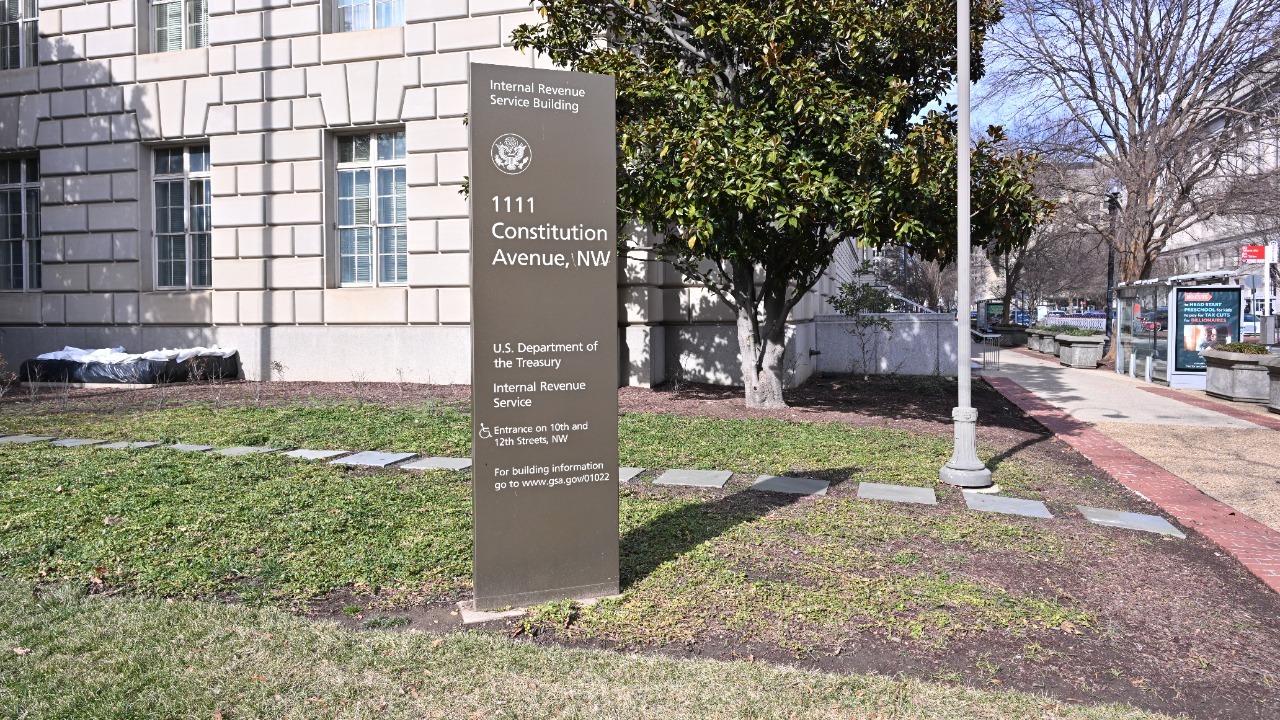
Taxpayers who requested an automatic extension in April have until Thursday, October 15, to file their 2025 federal income tax returns, unless they live in a federally declared disaster area that the IRS has given a later date.
The extension covered filing, not paying. Anyone who still owes tax has been building interest and a monthly late-payment charge since April, and missing the October date adds a second, larger penalty on top.
What the April extension did, and what it did not do
The IRS’s extension page says an extension gives filers until October 15 to file without the late-filing penalty, and that it is only for filing the return. Tax owed was due by the April filing date, and the extension did not change that.
That split shapes everything that follows. A filer who paid an estimate in April and owes little or nothing faces mainly a paperwork deadline next week. A filer who owes a balance and did not pay it is already accruing charges, and the October 15 date is the last chance to keep the bigger filing penalty from starting.
For extension filers waiting on money back: A notice decoder and a refund status tracker spreadsheet help sort out the IRS letters and status messages that can follow a return filed late in the season. Both are in The IRS Refund Recovery Kit.
The penalty for filing after October 15
The failure-to-file penalty is 5 percent of the unpaid tax for each month or part of a month a return is late, up to a maximum of 25 percent. The IRS says it applies when a return is not filed by the due date including extensions, so for extension filers the clock starts after October 15. In any month when both penalties apply, the filing penalty is reduced by the amount of the late-payment penalty.
There is also a floor. For a return filed more than 60 days late, the minimum penalty is the smaller of $525 or 100 percent of the tax owed, for returns due after December 31, 2025. That floor can swallow a small bill whole: under the rule, a filer who owes $400 and files more than 60 days after October 15 faces a minimum penalty of $400, the entire amount owed.
The IRS says the penalty does not apply when the delay was due to reasonable cause, which the filer has to show.
What it costs to pay late, and the payment plan options
The separate failure-to-pay penalty is 0.5 percent of the unpaid tax per month, also capped at 25 percent. It drops to 0.25 percent a month for people who filed on time and have an approved payment plan, and rises to 1 percent a month if the balance is not paid within 10 days of an IRS notice of intent to levy.
The IRS’s payment plan page says individuals who owe less than $100,000 in combined tax, penalties and interest can apply online for a short-term plan of up to 180 days with no setup fee. Those who owe $50,000 or less and have filed all required returns can apply online for a monthly plan, with a $29 setup fee for automatic bank withdrawals or $69 for other payment methods, and higher fees by phone, mail or in person. Interest and some penalties keep adding up until the balance is paid.
Disaster areas that have until November 2 or February 1
October 15 is not the deadline everywhere. The IRS’s disaster relief page lists postponements to November 2, 2026 for storm-hit areas of Michigan, Mississippi and Wisconsin and for the Northern Mariana Islands after Super Typhoon Sinlaku.
A longer list runs to February 1, 2027. It includes Hawaii County after an earthquake, Indiana storm areas, Washington wildfire areas, Nebraska areas hit by wildfires and storms, West Virginia, the Oglala Sioux Tribe in South Dakota, the Northern Mariana Islands after Super Typhoon Bavi, and Mississippi counties hit by Tropical Storm Arthur. Each relief notice names the specific counties covered, and an address outside those counties keeps the October 15 date.
Refunds, Free File and the three-year window
Because the filing penalty is figured on unpaid tax, a return that shows a refund has no unpaid balance for it to apply to. The refund is not open-ended, though. The IRS’s guidance on unfiled returns says a refund must be claimed within three years of the return’s due date, and it tells taxpayers to file every return that is due whether or not they can pay in full.
Filers who still need software have a no-cost route. The IRS Free File page lists guided tax software for adjusted gross income of $89,000 or less and Free File Fillable Forms for all income levels. The costliest mistake this week is treating the extension as extra time to pay, or skipping the October filing because the money is not there. Filing on time and setting up a plan stops the larger of the two penalties.
After an extended return goes in
An October filer who is owed money has three years from the original due date to claim it, but filing is not the end of the process. Letters about a held, changed or reduced refund can follow weeks after a late-season return, and each one points to a different next step.
The IRS Refund Recovery Kit includes a notice decoder, the refund-trace steps (Form 3911) and a refund status tracker spreadsheet for following a return from filing to deposit.
Read the notice decoder in The IRS Refund Recovery Kit.
This article was created with AI assistance and reviewed for accuracy against current IRS pages on extensions, penalties, payment plans, disaster relief and Free File.

Julian Harrow specializes in taxation, IRS rules, and compliance strategy. His work helps readers navigate complex tax codes, deadlines, and reporting requirements while identifying opportunities for efficiency and risk reduction. At The Daily Overview, Julian breaks down tax-related topics with precision and clarity, making a traditionally dense subject easier to understand.