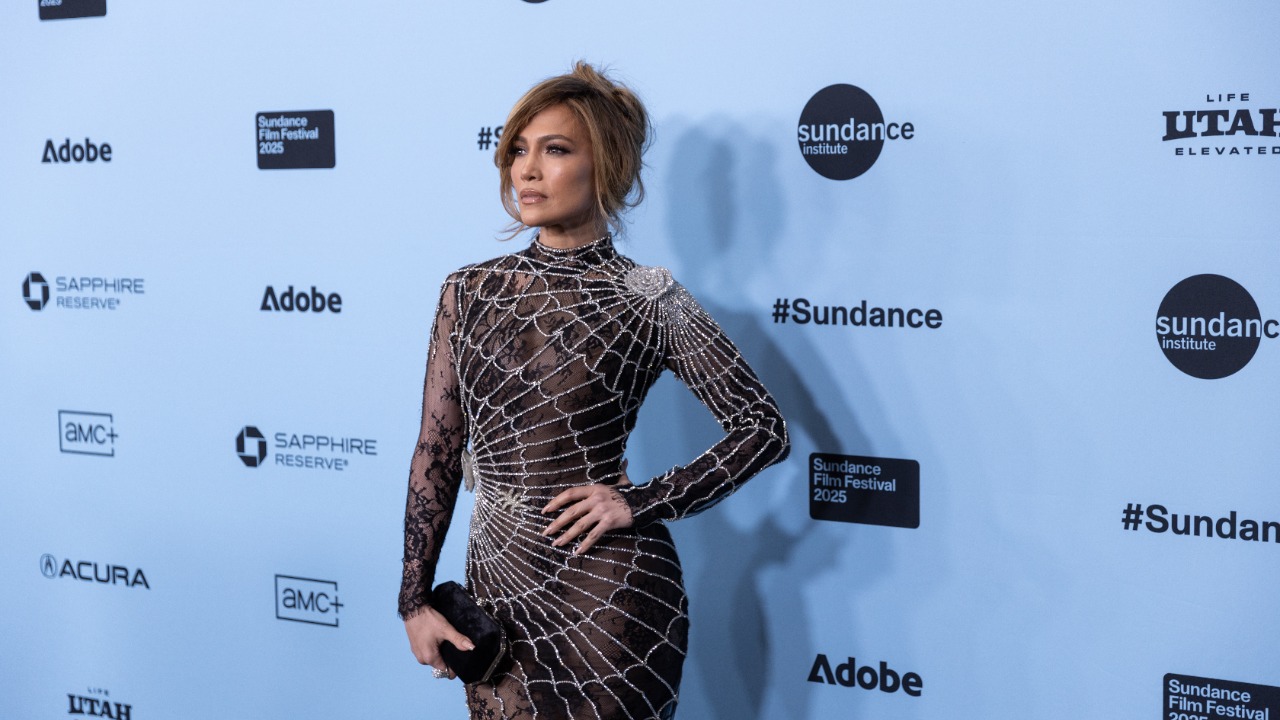
Jennifer Lopez’s latest high-profile performance reportedly came with a staggering price tag, with multiple reports indicating she was paid around 2 million dollars to perform at an extravagant wedding celebration hosted by one of India’s wealthiest families. The appearance has reignited debate over the economics and optics of celebrity “private gigs,” especially when they intersect with the country’s most powerful business dynasties and a global audience watching through social media clips.
As details of the event, the guest list, and the production scale have filtered out, the performance has become a case study in how ultra-rich families now treat pop icons as part of the décor of multi-day destination weddings. It also highlights how Lopez, even amid a busy film and music slate, continues to command top-tier fees for tightly controlled, one-off shows that never appear on a public tour schedule.
The $2 million performance fee and what it signals
The reported 2 million dollar payout for Lopez’s appearance underscores just how valuable a short, private set from a global pop star has become in the wedding economy of the ultra-rich. In this case, sources describe a compact performance window, not a full arena-length concert, which makes the fee even more striking as a measure of her current market power and the host family’s willingness to spend. The figure aligns with broader reporting on what A-list performers can command for private events, where exclusivity and discretion are often priced as highly as the music itself, and it places Lopez in the same bracket as the most in-demand live acts for billionaires’ parties and corporate galas, according to private event fee estimates.
That price tag also reflects the layered costs that typically sit behind a single headline number. For a star at Lopez’s level, a private booking usually covers not just her appearance but also travel on a chartered jet, a full band or backing track setup, dancers, stylists, security, and days of rehearsal time that displace other work. Industry breakdowns of similar deals note that a multi-million dollar fee often bundles in production riders, licensing clearances, and buyout clauses that prevent the host from commercially exploiting footage of the performance, which is consistent with how other top-tier artists structure their wedding and gala contracts.
Inside the Ambani wedding circuit Lopez joined
Lopez’s appearance slots into a now familiar pattern around the Ambani family, whose weddings and pre-wedding festivities have become global spectacles that blend Bollywood, Wall Street, and Hollywood in a single guest list. The family’s celebrations for Anant Ambani and Radhika Merchant, spread across multiple locations and months, have already featured performances from artists such as Rihanna and Katy Perry, according to detailed rundowns of the entertainment lineup. Lopez’s reported 2 million dollar fee fits into that escalating arms race of star power, where each event seems determined to outdo the last in both production scale and celebrity wattage.
These weddings are not just family milestones, they function as soft power showcases for Reliance Industries and the Ambani brand, with guest lists that include global chief executives, tech founders, and political leaders. Coverage of earlier Ambani celebrations has noted how the family uses these events to cement relationships across business and government, with performances by international stars serving as both entertainment and a signal of reach. Within that context, Lopez’s set becomes part of a broader strategy in which live music, elaborate staging, and choreographed sangeet numbers are deployed to project cultural and financial clout, a pattern that has been documented across multiple Ambani family weddings.
How Lopez’s set fit into a multi-day spectacle
From what has been reported, Lopez’s performance was one piece of a sprawling, multi-day celebration that blended traditional Indian ceremonies with Western-style party programming. These events typically run from daytime pujas and mehendi gatherings to late-night concerts and DJ sets, with each segment curated to a specific mood and dress code. Lopez’s slot appears to have been positioned as a marquee entertainment block, likely in the evening, when guests were primed for a high-energy, English-language pop set that contrasted with the Bollywood-heavy performances elsewhere in the schedule, a structure that mirrors the entertainment layering described in coverage of other Ambani pre-wedding events.
Video snippets circulating online show that the stage design and lighting for the international acts at these celebrations are on par with arena tours, with LED backdrops, pyrotechnic cues, and tightly choreographed dancers. Reports on earlier nights in the same wedding circuit describe custom-built stages on cruise ships and at luxury venues in Jamnagar and Mumbai, complete with themed décor and multiple costume changes for performers. Within that production ecosystem, Lopez’s team would have been able to plug into a fully realized technical setup, which helps explain how a relatively short performance can still feel like a full-scale concert and why hosts are willing to invest heavily in both infrastructure and talent fees.
Why Indian mega-weddings chase Western pop royalty
The decision to bring in Lopez, alongside other Western stars, reflects a broader shift in how India’s richest families stage their weddings as global cultural events rather than purely domestic celebrations. For hosts whose business empires span telecom, retail, and media, booking a performer like Lopez is a way to signal cosmopolitan taste and international reach to peers and partners who may be flying in from New York, London, or Dubai. Analysts of India’s luxury sector have noted that these weddings now function as a kind of live branding exercise, where the presence of Western pop icons sits alongside couture fashion, Michelin-level catering, and destination venues as markers of status, a trend that has been traced in reporting on India’s luxury wedding boom.
There is also a generational dimension. The couples at the center of these events are often educated abroad and steeped in global pop culture, so their playlists and dream performers skew toward the artists they grew up with on MTV and streaming platforms. Lopez, whose hits span the late 1990s through the 2010s, offers a catalog that resonates with guests in their twenties and thirties as well as their parents, which makes her a pragmatic choice for a cross-generational crowd. Commentators on the Ambani celebrations have pointed out that the entertainment mix is carefully calibrated, pairing Bollywood legends with Western headliners to keep both older relatives and younger friends engaged, a balancing act that has been evident in the lineup of international and Indian performers.
What a private JLo wedding gig actually looks like
For Lopez, a private wedding performance is a very different proposition from a public tour stop, even if the setlist overlaps. Industry accounts of similar gigs describe tightly controlled access, with the artist often arriving shortly before showtime, performing a compact run of hits, and exiting soon after, all while security teams limit backstage traffic. The audience is smaller but far more intimate, with guests sometimes standing just a few meters from the stage, which can change how an artist structures crowd interaction and choreography. Reports on other celebrity wedding performances in India, including Rihanna’s appearance at an Ambani pre-wedding event, highlight how stars adapt their usual staging to fit the venue and the social context, often shortening songs and weaving in spoken shout-outs to the couple, a pattern that likely shaped Lopez’s wedding set.
Behind the scenes, these shows are often negotiated with detailed riders that cover everything from soundcheck timing to dressing room requirements. Artists at Lopez’s level typically insist on specific technical standards for audio and lighting, as well as privacy provisions that limit professional filming and commercial use of performance footage. Accounts from event planners who have booked comparable acts for high-end weddings in India describe weeks of coordination between the artist’s management, the host family’s staff, and local production vendors to align on logistics, visas, and cultural sensitivities, including guidelines on costumes and choreography. Those planners also note that stars sometimes incorporate small nods to local culture, such as greeting the crowd with a few words in Hindi or referencing traditional ceremonies, a practice that has been documented in coverage of other international performers at Indian weddings.
The economics of booking Lopez versus other A-listers
The reported 2 million dollar fee for Lopez sits within a broader market where top-tier artists can command anywhere from low six figures to several million dollars for a single private event. Industry surveys of booking rates suggest that legacy pop stars with deep catalogs, such as Mariah Carey or Elton John, often occupy the upper end of that spectrum, while current chart-toppers and DJs may vary based on touring schedules and brand commitments. In that context, Lopez’s price point positions her as a premium but not unprecedented choice, roughly in line with what has been reported for other A-listers performing at weddings and corporate events in the Gulf states and Europe, according to compiled fee benchmarks.
For hosts like the Ambanis, the calculus is less about ticket revenue and more about perceived value in relationship-building and image. A 2 million dollar performance fee becomes one line item in a budget that can reportedly run into the tens or even hundreds of millions of dollars once venues, décor, hospitality, and security are factored in. Analysts who track India’s ultra-high-net-worth spending patterns note that such families often treat these weddings as once-in-a-generation showcases, where the marginal cost of upgrading from a regional star to a global icon is justified by the attention and prestige it generates. That logic helps explain why the Ambani celebrations have repeatedly featured multiple international acts on the same bill, a pattern documented in breakdowns of their wedding expenditures.
Public reaction inside India and abroad
The spectacle of a 2 million dollar Lopez performance at a private wedding has drawn mixed reactions, particularly within India, where the contrast between such opulence and ongoing economic inequality is hard to ignore. Social media commentary around the Ambani celebrations has oscillated between admiration for the scale and glamour of the events and criticism that such displays normalize extreme wealth concentration. Commentators have pointed out that clips of international stars performing for a few hundred guests circulate online at the same time as stories about unemployment and rural distress, a juxtaposition that has fueled debates about the social responsibilities of India’s richest families, as reflected in opinion pieces on the wedding’s symbolism.
Outside India, the reaction has been more focused on the novelty of seeing Western pop icons in heavily localized settings, from cruise ships on the Arabian Sea to custom-built stages in Jamnagar. Coverage in international lifestyle and entertainment outlets has tended to frame the Ambani weddings as a kind of real-world “Crazy Rich Asians” scenario, with Lopez’s appearance treated as another data point in the globalization of celebrity labor. At the same time, some critics in the West have questioned whether such private gigs risk diluting an artist’s brand by associating them too closely with oligarch-style excess, a concern that has surfaced in commentary on other high-fee performances for wealthy clients in Russia and the Middle East, as noted in analyses of ethical questions around private concerts.
What the gig says about Lopez’s current career strategy
For Lopez, accepting a high-paying private wedding performance fits into a broader career strategy that blends music, film, television, and brand partnerships into a diversified portfolio. In recent years she has balanced studio albums and streaming-era singles with acting roles, production work, and business ventures in beauty and lifestyle, which means touring is only one piece of her revenue mix. Industry observers have noted that private events can be a way for artists to monetize their live appeal without committing to months on the road, freeing up time for other projects while still keeping their performance chops sharp, a pattern that has been highlighted in profiles of Lopez’s business strategy.
The Ambani wedding gig also reinforces Lopez’s positioning as a cross-generational entertainer whose hits remain in demand for high-profile events. Even as she experiments with new music and film roles, her catalog of songs like “On the Floor” and “Let’s Get Loud” continues to anchor party playlists from Las Vegas clubs to Indian sangeets. By selectively taking on private performances that come with significant fees and global visibility, she can maintain her status as a live draw while avoiding the saturation that can come with constant touring. Analysts who track celebrity branding argue that such appearances, when carefully chosen, can enhance an artist’s aura of exclusivity, a dynamic that has been discussed in coverage of how stars like Lopez balance public tours and private shows.
The future of celebrity mega-wedding performances
Lopez’s reported 2 million dollar payday at an Indian mega-wedding is unlikely to be an outlier. If anything, it signals where the top end of the private performance market is heading as global wealth concentrates and families compete to stage ever more elaborate celebrations. Event planners who specialize in ultra-luxury weddings in India and the Gulf say inquiries for Western pop stars have increased alongside demand for destination venues and immersive décor, with clients now asking for multi-artist lineups that resemble festival bills. Reporting on the broader wedding industry suggests that as long as there are hosts willing to spend eight- and nine-figure sums on multi-day events, there will be artists ready to slot high-fee private gigs between tours and studio work, a trend mapped in analyses of the luxury wedding economy.
At the same time, the optics of such performances are likely to face growing scrutiny, particularly when they intersect with political or social flashpoints. Artists and their teams are increasingly weighing not just the fee but also the reputational risks of being seen to endorse certain clients or regimes, a calculation that has already reshaped how some stars approach offers from state-linked entities. In the case of Indian business dynasties, the conversation may focus less on geopolitics and more on inequality and climate impact, given the carbon footprint of multi-location celebrations. As Lopez’s Ambani appearance shows, every private gig that leaks into the public eye becomes part of a larger narrative about how celebrity labor is bought, sold, and displayed in an era of extreme wealth, a narrative that future performers and hosts will have to navigate with more care, as explored in ongoing coverage of billionaire-funded celebrity shows.
More From TheDailyOverview
- Tennessee loses $2.6B megafactory and faces major layoffs
- Retired But Want To Work? Try These 18 Jobs for Seniors That Pay Weekly
- What to do with your pennies after the U.S. stops minting them
- Home Depot CEO warns of a troubling customer trend in stores

Grant Mercer covers market dynamics, business trends, and the economic forces driving growth across industries. His analysis connects macro movements with real-world implications for investors, entrepreneurs, and professionals. Through his work at The Daily Overview, Grant helps readers understand how markets function and where opportunities may emerge.