Luxury resale has shifted from niche hobby to a global market where handbags and watches trade like blue-chip stocks. From Birkins to Rolexes, buyers are treating pre-owned pieces as both status symbols and financial assets, and the numbers now rival parts of the primary luxury business. For anyone eyeing a “pre-loved” trophy item, understanding how this secondary ecosystem works is as important as knowing what is on the latest runway.
The secondhand luxury boom, by the numbers
The Global Secondhand Luxury Goods Market is no longer a side show, it is a core part of how wealthier consumers shop. One recent estimate valued The Global Secondhand Luxury Goods Market at USD 41 billion in 2025, with projections it could reach a market size of USD 61.0 billion within a few years if it continues to grow at a compound annual rate of 8.3 percent. That trajectory reflects a structural shift: shoppers are increasingly comfortable buying and selling high-ticket goods online, and they are using resale to arbitrage price increases on the primary market.
Resale is also being pulled into the mainstream by platforms that make it feel as seamless as any other e-commerce purchase. One analysis of the sector notes that online marketplaces now account for 88% of secondhand luxury transactions, a figure that would have been unthinkable when consignment meant a neighborhood boutique. I see that shift in the way even ultra-rare items are listed on global platforms, from Hermès bags surfaced through curated product feeds to specific watch references that can be searched, filtered, and compared in seconds.
Why Birkins behave like an asset class
Among handbags, the Birkin has become shorthand for resale power, and the data backs up the mythology. One recent report on the secondary market found that in general, Herm outshone other luxury brands in 2025, with Birkin bags appreciating sharply over a ten year period as scarcity and cultural cachet fed off each other. Another analysis of long term performance notes that the resale value of particularly the Birkin and Kelly bags over the past 10 years has outpaced gold, a comparison that helps explain why some collectors now talk about “allocating” to handbags the way they would to equities.
That performance is not accidental, it is engineered through tight control of supply. One breakdown of the production process stresses that the labor-intensive way each Birkin is made has kept the bag extremely scarce, with Thousands of aspirational buyers worldwide hoping to be offered one even as retail prices have risen by double digits. That scarcity shows up in resale rankings too, where Hermès has officially reclaimed its position as the leading brand for handbag value retention in 2025 according to Rebag, and where collectors track each new Herm price increase as closely as they would a central bank move.
Those retail hikes are not slowing down. Specialist resellers are already flagging that Hermes prices are expected to rise again in 2026, which would further widen the gap between boutique tags and what some buyers can afford. That is one reason social platforms are leaning into authentication tools, with TikTok rolling out programs for From Viral Videos to “Verified” Birkins as it Enters Luxury Resale and tries to capture some of the demand that has historically flowed to specialist sites.
Rolexes and the watch market’s tipping point
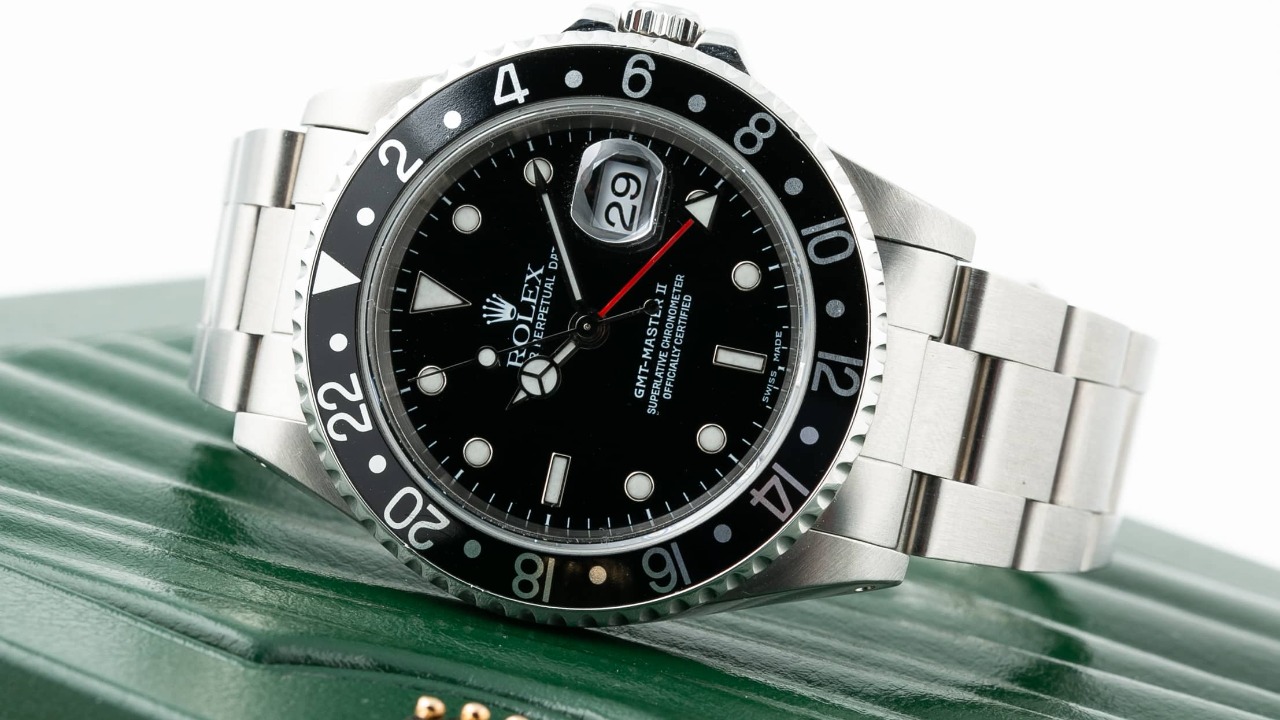
If Birkins are the poster bag for resale, Rolexes play the same role on the wrist. According to one detailed analysis of global trading, Rolex accounts for 34.2 percent of transaction volume on the secondary luxury watch market, a dominance that reflects both its production scale and its near-universal brand recognition. Despite losing some market share since the peak of the pandemic, Despite that shift, Rolex watches remain one of the most stable investment assets in the luxury sector, which is why waiting lists at authorized dealers still stretch for years on certain models.
The broader watch market is also tilting toward pre-owned. One forecast of trading patterns suggests that secondary market watch sales could eventually exceed new models, with the new Rolex Sky-Dweller cited as an example of how limited supply and hype can create continued upward pressure on prices even as production ramps. At the same time, collectors are watching brand decisions closely: a detailed breakdown of Rolex Price Increases for 2026 explains What Collectors Need to Know as Rolex will implement retail price increases starting in the new year, while another guide to Key Takeaways for 2026 notes that Steel sports models like Submariner and Daytona deliver top ROI thanks to Ceramic bezels and Rolesor case combinations that remain chronically undersupplied.
Not everyone is convinced the party can last. One widely shared video bluntly titled The Rolex market is heading toward catastrophe argues that 2026 could be the worst year in Rolex watch history, citing a mix of softening demand, macroeconomic pressure, and a flood of counterfeit Rolexes destroying buyer confidence. Yet even that bearish view accepts the premise that the brand sits at the center of the resale conversation, a position reinforced every time a Story about used Rolexes runs alongside coverage of Birkins and other trophy assets.
Returns, risks, and the fine print of “investing” in luxury
For buyers hoping to treat a bag or watch like a stock, the retention numbers are eye-catching. One breakdown of Top luxury resale watches and jewelry in 2025 notes that Van Cleef & Arpels pieces are holding 112% of their original retail value on the secondary market, while Rolex is close behind at 104%, meaning some buyers are already in the black before factoring in years of wear. Those figures help explain why some collectors talk about “parking” money in a Birkin or a Submariner instead of in a savings account, especially when they see social posts pointing out that the value of a Birkin can rival traditional commodities.
Yet the fine print matters. Professional authentication is now table stakes, and it is not free: one specialist notes that of course, professional authentication does come at a cost, but the premium you can charge for an authenticated pre-owned Birkin or Rolex is far higher than for an item that has little resale value. Brands themselves are also shaping the economics: one analysis of why luxury labels rarely discount points out that Rolex operates in much the same way as Hermès, with Their strategy of no discounts and tight control over distribution helping to preserve both primary and secondary prices. For buyers, that means the upside can be real, but so can the downside if tastes shift, counterfeits proliferate, or a once-hot model falls out of favor.
How to navigate the new resale landscape
For anyone stepping into this market now, the first decision is where to shop. Traditional marketplaces and specialist platforms still dominate, but social media is catching up fast, with TikTok’s move From Viral Videos to “Verified” Birkins as it Enters Luxury Resale showing how platforms are trying to blend entertainment, discovery, and checkout in a single feed. At the same time, big tech search tools are surfacing individual listings directly, whether that is a specific Hermès bag in a curated product carousel or a steel sports watch pulled from another product feed. Even niche references are now searchable, with some shoppers drilling into a specific product listing before ever speaking to a dealer.
On the selling side, strategy matters as much as taste. Some owners are timing listings around known price moves, such as the widely discussed Jan Hermes price chatter or the latest Rolex retail adjustments, while others are leaning on influencers and content to tell the story of a piece before it hits the market. Even smaller resellers are building followings, with one Hermès-focused account that tracks price changes and bag drops attracting 728 likes on a single post about rumored hikes. For buyers and sellers alike, the lesson is clear: in a market where information travels instantly and scarcity is carefully managed, the best returns tend to go to those who understand both the product and the ecosystem that now surrounds it.
More From TheDailyOverview

Cole Whitaker focuses on the fundamentals of money management, helping readers make smarter decisions around income, spending, saving, and long-term financial stability. His writing emphasizes clarity, discipline, and practical systems that work in real life. At The Daily Overview, Cole breaks down personal finance topics into straightforward guidance readers can apply immediately.

