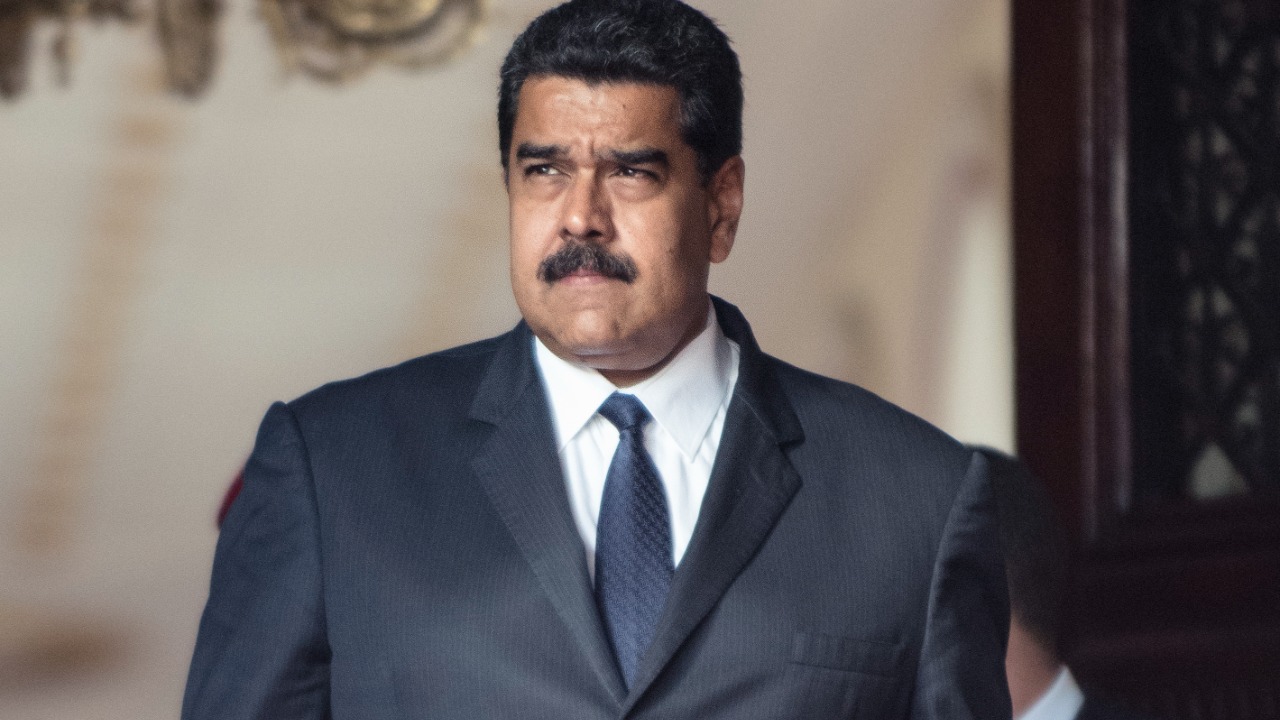
A newly created account on the crypto prediction platform Polymarket turned a relatively modest stake into a life‑changing haul by wagering on the capture of Venezuelan President Nicolás Maduro. The trader’s profit, $436,759.61, has become a flashpoint in a broader debate over whether prediction markets are surfacing public information or quietly rewarding people with access to state secrets. As questions mount over who was behind the trades and what they knew, the episode is already reshaping how regulators and lawmakers talk about the future of political betting.
The trade that turned a new wallet into a small fortune
The core of the story is simple enough: a brand‑new Polymarket wallet piled into contracts tied to Maduro’s downfall, then cashed out after the United States moved against his regime and he was captured. According to on‑chain tracking and social media posts, the account committed $30,000 to a market on Maduro’s exit, buying “Yes” shares at just a few cents and riding them to a near‑certain outcome once the operation became public. That sequence, from quiet accumulation to explosive payoff, is what produced the $436,759.61 windfall and turned an obscure wallet into a case study in the risks of real‑time political speculation.
Public attention locked onto the trade after commentators highlighted how quickly the new account scaled up its risk. One widely shared breakdown noted that a newly created Polymarket account invested over $30,000 in Maduro’s exit in a single burst of activity, a pattern that looked less like casual gambling and more like a targeted bet. The trader’s timing, just ahead of the U.S. move that led to Maduro’s capture, is what transformed a high‑risk position into a six‑figure profit and raised the specter of someone monetizing privileged knowledge of a sensitive operation.
How the Maduro markets worked on Polymarket
To understand why this trade is so controversial, I have to start with how Polymarket structures its contracts. The platform lets users buy and sell shares in binary outcomes, such as whether Maduro would be out of office by a certain deadline or whether the United States would bomb targets in Venezuela. In the case of the new wallet, the trader focused on a market that paid out if Maduro left power by the end of January, scooping up “Yes” shares at around seven cents and effectively betting that the probability of his exit was far higher than the market believed.
Another account, highlighted in separate reporting, made a whopping $35,000 bet on Polymarket that combined exposure to U.S. bombing in Venezuela with Maduro’s capture, turning the geopolitical crisis into a tightly hedged financial play. In parallel, a separate thread on social media flagged that a new Polymarket wallet bet $30,000 on Maduro’s exit by January 31st, with the trader buying the Yes shares at 7 cents and seeing their value spike after Trum ordered strikes that set the endgame in motion. Together, these positions show how a handful of traders treated Maduro’s fate as a tradable event, with precise timing that now looks uncomfortably prescient.
Suspicion of insider trading and the “Three insider wallets”
The sheer accuracy of the bets has fueled allegations that this was not just sharp analysis but outright insider trading. Blockchain sleuths have pointed to a cluster of addresses that appeared shortly before the U.S. operation and concentrated their exposure on Maduro’s removal, then exited once the outcome was effectively locked in. The fact that the most profitable wallet was newly created, funded quickly, and focused almost exclusively on this theme has only deepened the suspicion that the trader was not simply reading public tea leaves.
Those concerns intensified when a detailed on‑chain review identified Three insider wallets on Polymarket that bet on Venezuelan President Maduro being out of office just hours before his arrest, a pattern critics described as a clear case of insider trading. Another analysis framed the suspicious new use of Polymarket as a trader who opened an account, placed concentrated bets on Trump’s attack on Venezuela and Maduro’s capture, and walked away richer in less than a day, with Your inbox filling up with warnings about how easily such markets can be gamed. The timing of the account’s creation and its laser focus on a single geopolitical flashpoint are what make the $436,759.61 profit look less like luck and more like a monetized leak.
Political backlash and calls to rein in prediction markets
The Maduro trades did not just rattle traders, they also jolted lawmakers who were already uneasy about prediction markets bleeding into national security. In Washington, the idea that someone might have turned classified knowledge of a U.S. military operation into a six‑figure crypto payout has become a potent symbol of how far the speculative ecosystem has outpaced existing rules. I see the reaction as part of a broader shift, where political figures are no longer treating these platforms as quirky side bets but as potential vectors for corruption and conflicts of interest.
One of the most vocal critics has been Rep Ritchie Torres, who signaled that he would introduce legislation targeting trading abuses after the Maduro episode. In a detailed statement, he framed the controversy as a Maduro Bet that had become a Market Alarm, prompting a push for Lawmaker Targets Trading Abuses to close the gap between traditional insider‑trading rules and the fast‑moving world of crypto prediction markets. Around the same time, a separate report noted that Lawmakers Move to Bar Officials From Prediction Markets, with proposals that would prohibit government insiders from betting on events they can influence or anticipate. The Maduro trades, and the $436,759.61 profit they produced, have become Exhibit A in arguments that the law has to catch up before the next crisis is quietly turned into a private jackpot.
What the Maduro windfall means for the future of Polymarket
For Polymarket itself, the episode is a stress test of its core promise that markets can aggregate information without becoming a playground for people with illicit access. The platform has long argued that pricing political and geopolitical risk in real time improves transparency, but the Maduro trades show how easily that same mechanism can be used to cash in on secrets. When a new account can appear, stake tens of thousands of dollars on a single outcome, and walk away with $436,759.61 after a U.S. military action, it is hard to avoid the conclusion that the line between forecasting and front‑running has blurred.
I expect the fallout from this case to shape how regulators, exchanges, and even intelligence agencies think about prediction markets tied to national security. The fact pattern is stark: Jan chatter about a new wallet, a concentrated bet on Maduro’s exit, overlapping positions on U.S. bombing in Venezuela, and a cluster of wallets that looked coordinated in their timing. Add in the scrutiny from figures like Joe Pompliano, the references to OCR and Jan in viral breakdowns, and the growing chorus that insider trading has become encouraged on platforms like Polymarket, and it is clear that the $436,759.61 profit is more than a curiosity. It is a warning that as long as real‑world violence and regime change can be packaged into tradable contracts, the temptation to turn statecraft into a side hustle will only grow.
More From TheDailyOverview

Elias Broderick specializes in residential and commercial real estate, with a focus on market cycles, property fundamentals, and investment strategy. His writing translates complex housing and development trends into clear insights for both new and experienced investors. At The Daily Overview, Elias explores how real estate fits into long-term wealth planning.

