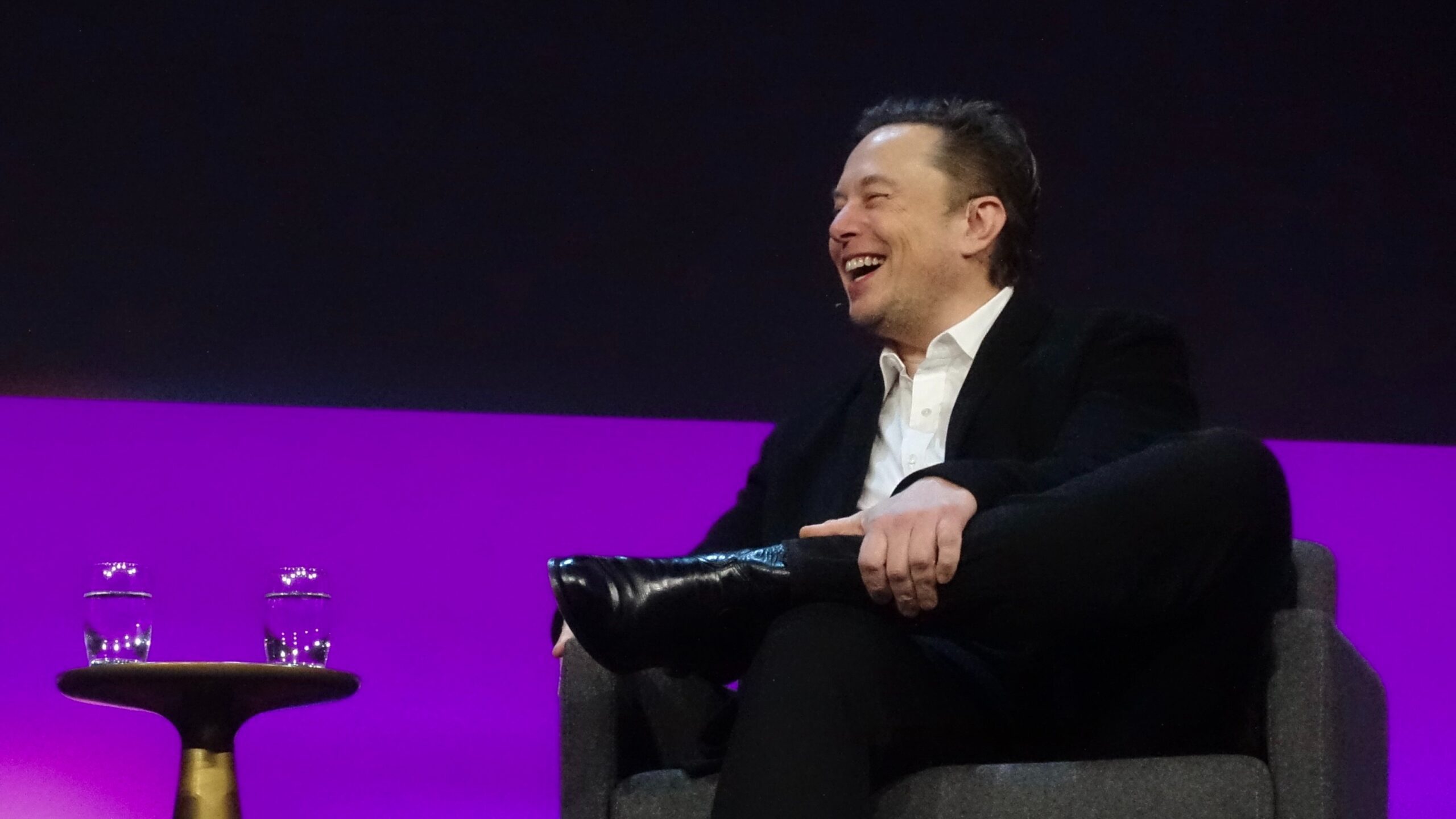
Elon Musk’s new $1 trillion Tesla pay plan has turned an already heated debate over executive compensation into a full-blown political and corporate flashpoint. The package, which could make Musk the world’s first trillionaire if all targets are met, is being held up by critics as the most vivid example yet of CEO pay breaking free from any recognizable sense of proportion. Supporters insist the deal is a high-risk, high-reward bet that will only pay out if shareholders win big too.
At stake is more than one man’s fortune. The structure of Musk’s award, the way it ties his wealth to Tesla’s market value and products, and the sheer scale of the numbers involved are already shaping how boards, investors, workers and regulators think about what corporate leadership is worth in an era of slowing wage growth for everyone else.
How Tesla built a $1 trillion bet around Musk
The latest package did not appear out of thin air. Tesla first floated a new 10 year compensation plan for CEO Elon Musk in a proposal that framed the award as a way to lock in his focus and give him more voting power if aggressive performance milestones were hit, according to a filing cited in a Tesla summary. On Nov. 6 in SAN FRANCISCO, shareholders of Tesla, listed as TSLA, then approved what Reuters described as the largest equity based pay plan in corporate history, with a potential value of $878 billion at the time of the vote and a path to as much as $1 trillion if the company’s valuation soars, according to Reuters. The same report noted that the award is structured so that Musk receives nothing if Tesla fails to clear the required hurdles.
The mechanics are stark. At the time of the shareholder vote, Tesla’s market value was about $1.5 trillion, and the plan requires that figure to climb to $2 trillion and beyond before Musk can unlock the full payout, according to a second But passage. An analysis of the Pay Package Scale describes the award as being valued at up to $1 trillion, with potential payouts stretching over the next decade if Tesla hits a series of operational and financial benchmarks that are meant to boost productivity and competitiveness, according to Pay Package Scale. Another breakdown of Elon Musk’s Trillion Compensation Package, framed around the question Will His Pay Outperform His Performance Targets, notes that the milestones include aggressive goals for revenue, profitability and market capitalization that some analysts see as “Performance Targets That Sound Like” a moonshot rather than a baseline, according to Performance Targets That.
From record award to macro scale: bigger than some countries
What makes this package uniquely incendiary is not only its structure but its scale relative to the real economy. A World Bank table of GDP per country in 2024 shows that the $878 billion award would rank just below the Polish economy, which is listed at $915 billion, a comparison highlighted in a World Bank based report. The same comparison is repeated in a second GDP citation, underscoring just how far executive pay has drifted from the scale of typical corporate rewards. In a separate analysis, Elon Musk’s pay package of up to $1 trillion is described as a symbol of the continued escalation in CEO compensation even as worker pay slows, with data from Equilar showing that top CEO pay has been rising faster than median employee wages, according to a Elon Musk focused piece.
Supporters of the deal argue that the headline number obscures the risk Musk is taking by accepting only performance based equity. A detailed breakdown of the Pay Package Scale notes that the award is entirely tied to Tesla’s future stock performance and operational metrics, with no guaranteed salary component, and that payouts would be staggered over years as each tranche of targets is met, according to Elon Musk. Yet, Critics warn that normalizing a package on this scale risks greenlighting astronomical CEO paydays across corporate America, with one analysis arguing that the decision sets a dangerous precedent even if it rewards the entrepreneur who turned Tesla into a global powerhouse, according to a commentary that opens with the word Yet and highlights how Critics see the broader CEO implications in an Yet report.
Shareholder democracy or rubber stamp?
Defenders of the award often point to the shareholder vote as proof that the market has spoken. Tesla announced Thursday that shareholders had voted to approve the biggest pay package in corporate history for CEO Elon Musk, with the company saying the deal could ultimately deliver $1 trillion or more in riches if all conditions are met, according to a Tesla account. A separate report by Sean O’Kane, credited with Image Credits to Kevin Winter of Getty Images, notes that Tesla shareholders overwhelmingly backed the package and that the vote capped years of debate over how much equity Musk should control as he pushes the company into new markets, according to Sean. Another video segment on the vote notes that Tesla shareholders approved a hefty $1. trillion pay package for CEO Elon Musk and that he will now own nearly 30% of the company if all tranches vest, according to a clip that highlights the board memb discussion in a Nov broadcast.
Yet the notion that this is pure shareholder democracy is complicated by how concentrated Tesla’s investor base has become around Musk loyalists. An academic analysis titled Inside the Implications of Musk’s Massive Deal notes that On Nov. 6, Tesla approved a massive and controversial $1 trillion equity based compensation package for CEO Elon Musk and that, if fully vested, the award could give him control of up to 29% of the company’s shares, raising questions about governance and minority shareholder power, according to On Nov. A separate explainer from Silicon Scoop, hosted by John Irwin and the Startup Coach, walks viewers through how the board structured the award and why some governance experts see it as concentrating too much power in one individual, according to a Silicon Scoop segment. Another video report notes bluntly that Elon Musk is set to become the world’s first trillionaire if Tesla meets a list of benchmarks laid out in the plan, a framing that underscores how much of the upside is being channeled to a single executive, according to a Elon Musk focused clip.
Runaway CEO pay meets slowing worker wages
Musk’s mega deal is landing at a moment when public patience with executive excess is already thin. An analysis of rising CEO compensation notes that Elon Musk’s pay package of up to $1 trillion highlights how top executive pay has continued to surge even as worker pay slows, with data from Equilar showing that CEO packages have grown far faster than median employee wages in recent years, according to a Wealth oriented piece. Another report on Musk’s pay package reaching $1 trillion situates it within a broader surge in CEO compensation, noting that boards across sectors have been ratcheting up equity awards and performance bonuses even as rank and file wage growth has cooled, according to an intellectia summary. A separate analysis of Musk’s $769B net worth, which credits Tesla’s pay win, a SpaceX valuation of $800B and crypto holdings, argues that the decision to approve the new award is not without controversy and that Critics fear it will embolden other boards to chase similar CEO jackpots, according to an CEO focused commentary.
More From TheDailyOverview
*This article was researched with the help of AI, with human editors creating the final content.

Grant Mercer covers market dynamics, business trends, and the economic forces driving growth across industries. His analysis connects macro movements with real-world implications for investors, entrepreneurs, and professionals. Through his work at The Daily Overview, Grant helps readers understand how markets function and where opportunities may emerge.