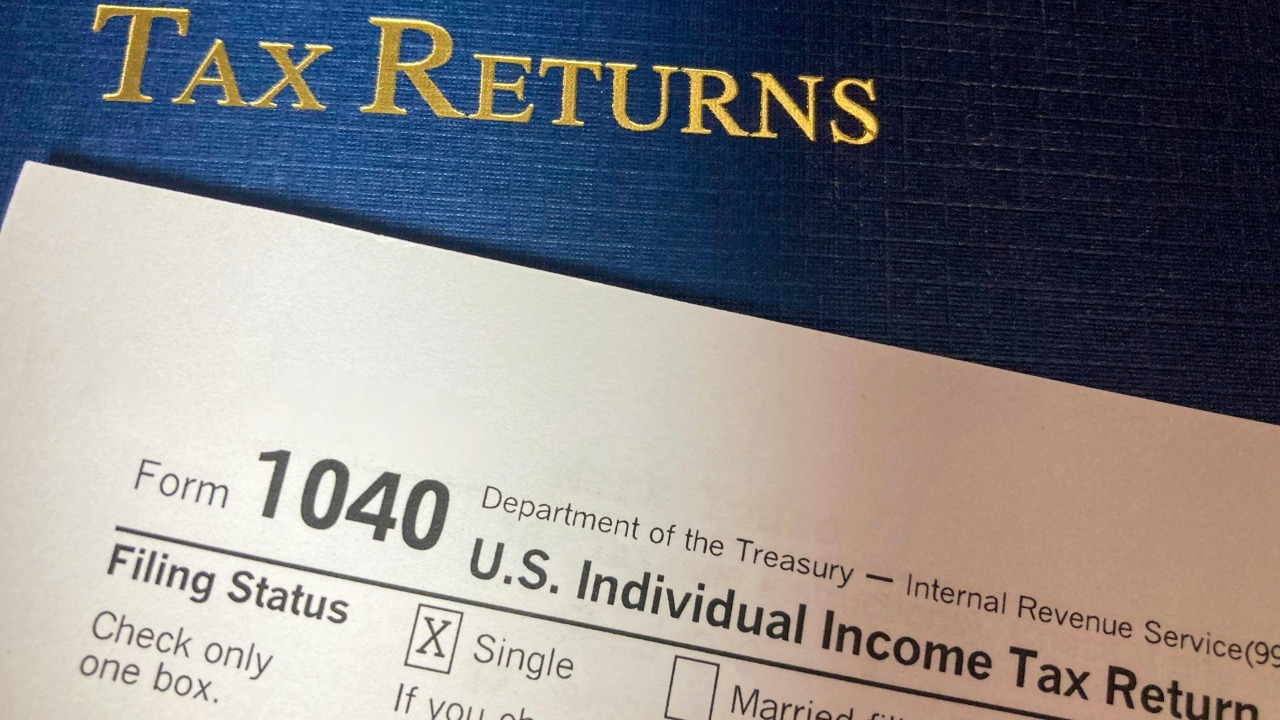
Taxpayers who asked for more time on their 2025 return are running out of it. The extended filing deadline is Thursday, October 15, and the penalty structure behind that date is harsher than most people who requested an extension expect, because it was never a deadline for paying.
The number that does the damage is not a percentage. A return that arrives more than 60 days late carries a minimum penalty that the Internal Revenue Service sets in dollars, and for the 2025 filing year that floor is $525. It applies regardless of how small the balance is, with one exception that caps it.
What the extension actually bought
The IRS is blunt about the limit of an extension. Its guidance on requesting one, last reviewed on September 20, says an extension requested by the April due date “gives you until October 15 to file without penalties,” then immediately adds: “Make sure you pay any tax you owe by the April filing date. The extension is only for filing your return.”
That sentence is the whole story. Someone who filed Form 4868 in April and paid nothing has been accruing a failure-to-pay penalty and interest since April 15, not since October. The extension protected them from a separate and much steeper charge — the failure-to-file penalty — and only until October 15.
What arrives after the deadline: A return filed in the days around October 15 is followed by IRS correspondence, and a notice about a balance, a hold or an adjusted refund points to a different cause and a different next step depending on which notice it is. The notice decoder in The IRS Refund Recovery Kit sorts them by what each one is actually asking for.
How the $525 floor works
The IRS failure-to-file penalty is normally 5% of the tax due for each month or partial month a return is late, accruing to a maximum of 25%. On a small balance, that percentage produces a small number. The minimum penalty exists to stop it from producing a trivial one.
The agency’s rule reads: if the return is more than 60 days late, the minimum penalty is the listed amount or 100% of the underpayment, whichever is less. The listed amounts are set by the return’s original due date without an extension. For a return due after December 31, 2025 — which covers the 2025 individual return that was due on April 15, 2026 — the figure is $525.00. The prior year’s figure was $510, and the year before that $485.
Two qualifications keep this from being as universal as it sounds. The penalty is calculated on tax that was due and unpaid, so a filer who owes nothing, or who is owed a refund, is not exposed to it. And because the minimum is capped at 100% of the underpayment, someone who owes $200 faces at most $200, not $525. The floor bites hardest on a moderate balance left unfiled past mid-December.
The two penalties running at once
Most people in this position are accruing both charges. The failure-to-pay penalty runs at 0.5% of the unpaid balance for each month or part of a month it stays unpaid, also to a 25% maximum. It has been running since April for anyone who did not pay with their extension request.
The two do not simply stack. The IRS reduces the failure-to-file penalty by the amount of the failure-to-pay penalty for any month in which both apply. The practical consequence is that the filing penalty maxes out after five months while the payment penalty keeps going, which is why filing on time matters even for a taxpayer who cannot pay. Interest accrues on top of both, and the agency charges interest on penalties as well as on tax.
A taxpayer who cannot pay the balance is still better off filing. The IRS points those filers to an online payment agreement, and notes that setting up a payment plan may reduce future penalties. Filing without paying stops the larger of the two charges; paying nothing and not filing lets both run.
Who gets more time than October 15
Three groups have a later date, and they do not have to ask for it in the same way. Taxpayers in a federally declared disaster area are identified automatically by address, and the IRS maintains a running list of postponed deadlines by disaster. Those postponements have moved the October 15 date well into 2027 for some areas, and they apply without an application.
U.S. citizens and resident aliens living outside the country on the regular due date get an automatic two-month extension. Members of the military serving in a combat zone, and eligible support personnel, have their own separate deadline rules.
Everyone else is on October 15. The IRS recommends electronic filing with direct deposit for anyone expecting a refund, and the agency’s online account shows the balance owed, prior payments, payment plan options and digital copies of certain notices — which is the fastest way to find out what is actually outstanding before filing.
The error that compounds after the deadline
The most costly habit at this point in the year is waiting for money before filing. A taxpayer who holds the return back until they can pay in full converts a 0.5% monthly charge into a 5% monthly charge, and after about two months adds the dollar floor on top. Filing the return and paying later is the cheaper sequence in nearly every case where a balance is owed.
The second error is assuming the penalty is final. The IRS will remove or reduce a penalty where a taxpayer can show reasonable cause for missing the deadline, and the process starts with the notice itself rather than a phone call about a return that has not been filed yet. That relief is unavailable to someone who has simply not filed.
For a filer who is owed a refund rather than carrying a balance, the arithmetic is different but not unlimited. There is no late-filing penalty on a refund return, but there is a statutory window after which an unclaimed refund stops being payable at all — which makes October 15 a soft deadline for that group and a hard one for everybody who owes.
The paperwork that follows a late return
A 2025 return filed at or after the October 15 deadline usually generates correspondence: a notice assessing a failure-to-file or failure-to-pay penalty, a bill for interest, or a refund that arrives smaller than expected because it was offset against the balance. Each of those is a different document asking for a different response, and a filer who has just caught up has no record of which notice arrived when or what was sent back.
The IRS Refund Recovery Kit sets out a notice decoder alongside a refund status tracker spreadsheet and the three-year refund deadline, so a notice can be identified and the response logged against it.
Read the notice decoder in The IRS Refund Recovery Kit.
This article was created with AI assistance and reviewed for accuracy against official government sources.

Julian Harrow specializes in taxation, IRS rules, and compliance strategy. His work helps readers navigate complex tax codes, deadlines, and reporting requirements while identifying opportunities for efficiency and risk reduction. At The Daily Overview, Julian breaks down tax-related topics with precision and clarity, making a traditionally dense subject easier to understand.