Prince Andrew’s battle over Royal Lodge has hardened into a high‑stakes standoff, with money, status and family power all colliding behind the gates of Windsor Great Park. At the center is a reported demand for a $99 Million payout and a replacement mansion, turning what began as a quiet downsizing into a public test of how far a disgraced royal can push back.
As King Charles seeks to streamline the monarchy, Andrew Mountbatten-Windsor is digging in, using the long lease on his sprawling home as leverage in what insiders describe as a $99 M showdown. The result is a slow‑motion confrontation that exposes not only the future of one controversial prince, but also the limits of royal privilege in an era of intense scrutiny.
The royal estate at the heart of the fight
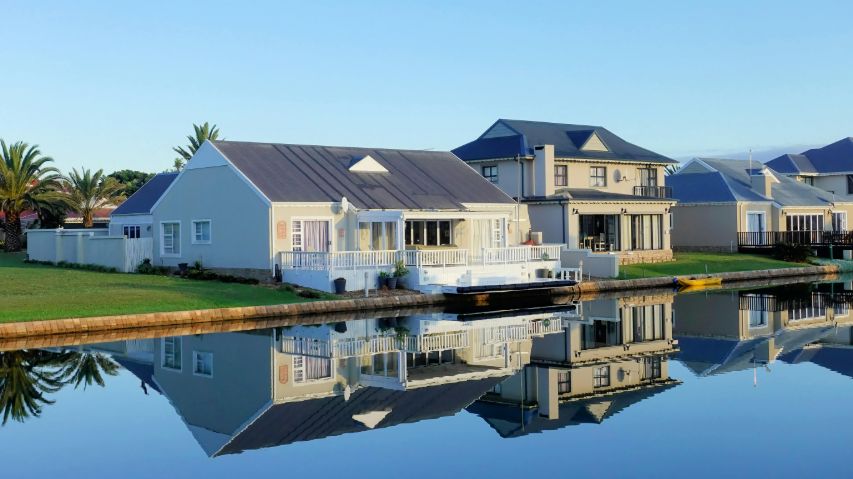
To understand why this dispute has become so entrenched, it helps to start with the property itself. Royal Lodge is not a modest grace‑and‑favor cottage but a substantial mansion set within Windsor Great Park, part of the wider Crown Estate that underpins the monarchy’s landholdings. The residence sits within a landscape of manicured grounds and historic buildings, a short distance from Windsor Castle and within reach of other royal homes that define the geography of royal life. Publicly available mapping of the Windsor area underlines just how central this enclave is to the royal orbit, with the estate clearly marked as a key node in the cluster of royal properties around the castle and parkland, as seen in location data for the Royal Lodge area.
Royal Lodge’s status is also defined by its legal and financial structure. It is part of the Crown Estate and has been held on a long lease, rather than owned outright, which means the property ultimately belongs to the sovereign even as a royal family member enjoys extensive control over it. Reporting on the broader Windsor portfolio notes that The Royal Lodge sits within a network of Crown Estate and privately owned royal properties, some of which have been shifted into the personal control of the monarch as part of a wider rebalancing of assets, with one analysis highlighting how The Royal Lodge, Crown Estate and other residences compare in cost and status. That context makes clear why the palace is so focused on who occupies Royal Lodge, and on what terms.
How Andrew lost his titles but kept his lease
The current confrontation is the culmination of a years‑long unravelling of Andrew’s public role. After intense scrutiny of his associations and conduct, he relinquished his military affiliations, royal patronages and official public duties, and he stopped using the style “His Royal Highness” in an official capacity. Those steps were framed as a necessary response to reputational damage, and they left Andrew as a private citizen in all but name, even as he remained embedded in the royal estate. Coverage of that reset makes clear that In 2022, Andrew gave up the formal trappings that once defined his public life.
What he did not surrender at that point was his hold on Royal Lodge. The long lease remained intact, and with it his ability to live in a grand residence within Windsor Great Park even after being stripped of titles and duties. That separation between public role and private housing is at the core of today’s dispute. The palace has since moved to bring the lease into line with his diminished status, but Andrew has treated the contract as a shield, arguing that his right to remain is legally protected regardless of his standing within the family. The tension between those legal rights and the King’s authority is now playing out in a very public way.
The $99 Million demand that raised the stakes
The reported demand for a vast payout has transformed a private eviction battle into a headline‑grabbing confrontation. According to accounts from those close to the negotiations, Andrew Mountbatten-Windsor has insisted that he will not vacate Royal Lodge unless he receives a payment of $99 Million, a figure that dwarfs typical relocation or refurbishment costs and reads more like a buyout of his long‑term interest in the property. One insider framed the standoff as a case of Prince Andrew Demands a $99 M settlement as a condition of any Royal Lodge eviction.
Further reporting suggests that the financial ask is part of a broader package of conditions. In addition to the $99 Million payout, Andrew Mountbatten is said to be seeking a comparable lifestyle elsewhere, including a substantial home and the resources to maintain it. One account describes him as pushing for a mansion, a full household staff and the same $99 Million figure as compensation, casting the dispute as Prince Andrew Demanding Mansion, Full Staff and a Million Amid Banishment, Claim Experts. Taken together, these accounts paint a picture of a royal who sees his lease and past investments in the property as bargaining chips in a negotiation that he is determined to win.
Why compensation has become a flashpoint
Behind the headline figure lies a more technical argument about what, if anything, Andrew should receive for improvements and maintenance at Royal Lodge. Over the years, he has reportedly spent significant sums on repairs and upgrades, and his camp has argued that those investments should be recognized if he is forced to leave before the end of his lease. However, official scrutiny of royal property arrangements has not been sympathetic to that position. A recent review of Crown Estate leases concluded that Andrew Mountbatten would not receive a six‑figure compensation package for his departure, despite earlier suggestions that such a payment might be on the table, with one report bluntly stating that Andrew Mountbatten was denied that level of payout.
The same scrutiny has highlighted the scale of the estate and the public interest in how it is used. Royal Lodge sits within grounds that extend across roughly 40 hectares, or 99 acres, a footprint that would be notable for any private residence and is even more significant when tied to a figure who no longer carries out official duties. The report that set out those figures also noted that the current tenant has shown no signs of relinquishing his hold on the property, even as the Crown Estate and parliamentarians examine how such leases should operate in the modern era. That combination of a large, semi‑public estate and a tenant resistant to change has made compensation a politically sensitive issue as well as a personal one.
Deadlines, delays and a prince who “won’t budge”
Timelines have become another key battleground. Palace plans initially envisaged Andrew leaving Royal Lodge within a defined window, with a move to alternative accommodation pencilled in for early next year. Reports on those plans described how Prince Andrew Is Set to Move Out of Royal Lodge on This Date, while also noting that new briefings suggested he could stay longer, with some sources indicating that he and his former wife might remain in place until at least the following October. That tension between official expectations and on‑the‑ground reality is captured in coverage that explains how Prince Andrew Is Set to Move Out of Royal Lodge on This Date, Though New Reports Suggest He Could Stay Longer.
Royal commentators have gone further, describing a deliberate strategy of delay. One seasoned observer noted that, despite formal notice being served in October to surrender his Royal Lodge lease, Andrew has no intention of leaving until at least February of the following year, and possibly later, effectively using the calendar to buy time and maintain his position. That analysis portrays him as someone who, despite the pressure, is “going nowhere fast” and is determined to exploit every clause in his lease to remain in Royal Lodge in Windsor. The same commentary underlines that, Despite the formal notice, he is still firmly ensconced at Royal Lodge.
Inside the King’s push to move Andrew on
From the palace perspective, the push to remove Andrew from Royal Lodge is part of a broader effort by King Charles to reshape the monarchy’s public face and private footprint. The King has made no secret of his desire for a slimmer, more focused institution, and that vision is hard to reconcile with a non‑working royal occupying a vast estate in Windsor Great Park. Reports from those close to the royal household say that Andrew has been told directly by King Charles that he must leave Royal Lodge and accept alternative accommodation, a message that reflects both financial realities and reputational concerns. One account notes that, While Andrew has been told to leave by King Charles, the former prince is legally allowed to stay in the Royal Lodge under the terms of the lease.
That legal caveat is crucial. The lease reportedly gives Andrew the right to remain for decades, provided he meets certain conditions, and that has limited the King’s options to persuasion, pressure and the offer of alternatives rather than simple eviction. The palace has floated the idea of moving him to a smaller property on the royal estate, including a residence that is privately owned by the monarch rather than held through the Crown Estate, which would give the King more direct control. Analysis of those options has highlighted how the shift would move Andrew from royal grandeur to a more constrained private household, with one report detailing how From royal grandeur to private ownership, the King’s own property would be cheaper to maintain and easier to manage politically.
The alternative mansion Andrew says he wants
Andrew’s response to those offers has been to set his own terms for any move. Rather than accepting a smaller or less prominent residence, he is reported to be insisting on a six‑bedroom home with a full staff, effectively replicating the scale and service he currently enjoys at Royal Lodge. Accounts of his demands describe him as seeking a property that matches his expectations of status and comfort, even as his formal role has been drastically reduced. One detailed report states that Andrew Mountbatten Windsor demands six bedroom accommodation with staff after being kicked out of Royal Lodge and stripped of titles.
Those housing demands sit alongside the reported $99 Million compensation ask, creating a package that looks less like a reluctant downsizing and more like an attempt to lock in a new, privately funded version of his old life. Experts quoted in the coverage have suggested that, if Andrew Mountbatten gets his way, the settlement would effectively underwrite a parallel royal existence outside the formal structure of the monarchy, complete with a mansion, staff and a large financial cushion. That prospect has raised questions about fairness, precedent and the message it would send about accountability within the royal family.
Legal rights, sunk costs and the “no choice” argument
Supporters of Andrew have framed his resistance as a matter of contractual rights and financial fairness. They point to the length of the lease, the money he has reportedly spent on repairs and the expectation that he would be able to remain at Royal Lodge for decades when he first took it on. From this perspective, the demand for compensation and a suitable alternative home is not an act of defiance but an attempt to recoup sunk costs and preserve a basic standard of living. One analysis of his position notes that Andrew Mountbatten has experienced major changes in 2025, including the loss of his remaining roles, and suggests that he might have “no choice” but to accept a less comfortable arrangement if the palace holds firm, with the same report explaining that Andrew Mountbatten Windsor may ultimately have to endure a smaller home despite the repairs he has funded.
At the same time, official reviews have made clear that he will not be reimbursed for everything he has put into the property. Parliamentary scrutiny of Crown Estate leases concluded that tenants like Andrew forfeit certain expectations of compensation when they enter into long‑term arrangements, particularly when those arrangements involve public assets. One report on the East Lodge, another property linked to the same portfolio, noted that The East Lodge was said by the Crown Estate to have been leased by Andrew for a member of staff, and that the current tenant of Royal Lodge has shown no signs of relinquishing his hold on the main property despite being told he will not get any money back after the move, a conclusion set out in detail in the finding that The East Lodge arrangement and the wider lease leave little room for reimbursement.
What the drawn‑out standoff reveals about the modern monarchy
As the deadlines slip and the rhetoric hardens, the Royal Lodge saga has become a revealing case study in how the modern monarchy handles internal discipline. On one side is a King determined to align royal lifestyles with public expectations, cutting costs and distancing the institution from scandal. On the other is a family member who, despite losing his titles and duties, still commands significant legal rights and personal resources, and who appears willing to test how far those can be pushed. Recent coverage of the negotiations notes that Ex‑Prince Andrew was reportedly forced to surrender his lease on Royal Lodge and has been asked to move to another accommodation, yet he is still expected to spend the holidays in his mansion, a detail highlighted in reports that Prince Andrew is delaying his exit from Royal Lodge and.
The outcome of this $99 M confrontation will resonate far beyond Windsor’s tree‑lined drives. If Andrew secures a large payout and a new mansion, it will fuel criticism that royal accountability is still negotiable for those with the right surname. If the King holds the line and forces a move on more modest terms, it will signal a tougher, more corporate approach to royal management, where leases and balance sheets matter as much as lineage. For now, the only certainty is that the Royal Lodge, and the battle over who controls it, has become a symbol of the monarchy’s struggle to reconcile tradition, privilege and public scrutiny in a new era.
More From TheDailyOverview

Elias Broderick specializes in residential and commercial real estate, with a focus on market cycles, property fundamentals, and investment strategy. His writing translates complex housing and development trends into clear insights for both new and experienced investors. At The Daily Overview, Elias explores how real estate fits into long-term wealth planning.