Starbucks is facing a high-stakes test of its brand as a progressive employer, with Senator Bernie Sanders spotlighting a pay gap that puts nearly $96 million in compensation for the company’s chief executive alongside thousands of workers still waiting for a first union contract. The clash is no longer just about one coffee chain, it has become a proxy fight over what corporate responsibility looks like in an era of record profits and resurgent labor organizing.
At the center of the dispute is a simple but politically explosive contrast: a company that has rewarded its top leadership lavishly while more than 12,000 baristas and shift supervisors at unionized stores say they are still pressing for basic gains on pay, scheduling, and job security. How Starbucks navigates that tension, and how aggressively Sanders and organized labor keep up the pressure, will help define the next phase of the U.S. labor movement.
Sanders escalates pressure on Starbucks leadership
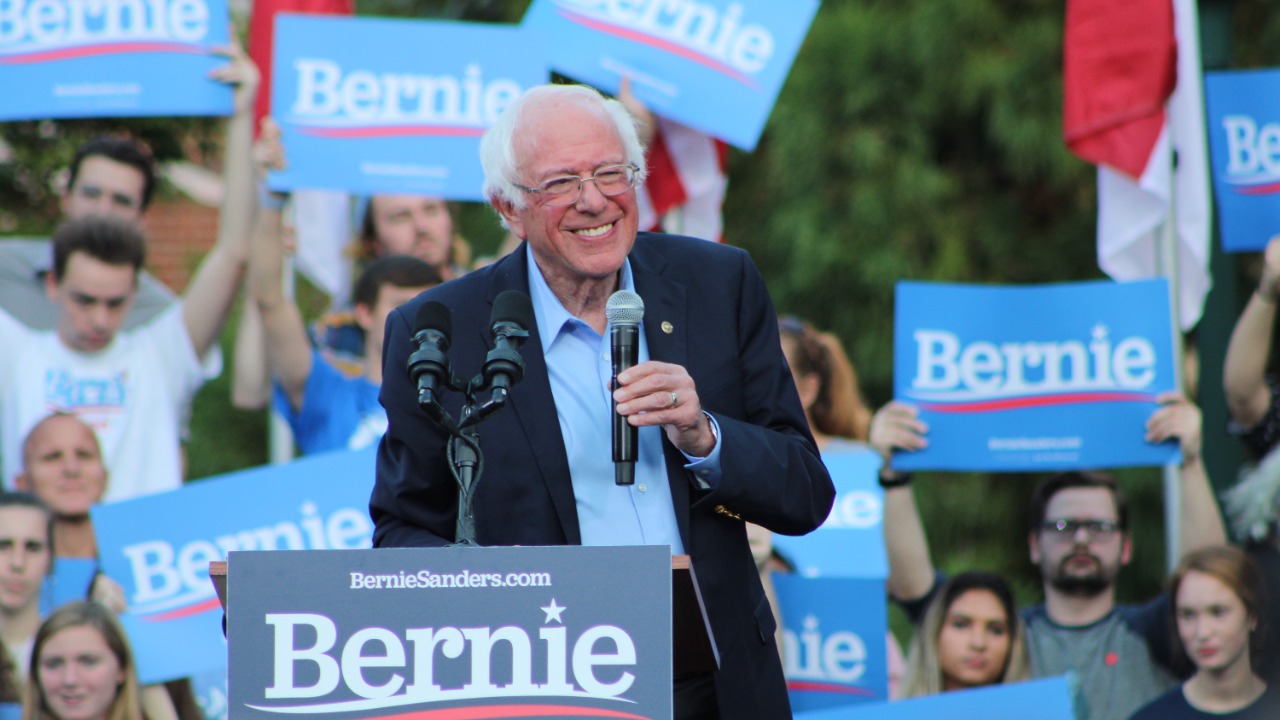
Bernie Sanders has turned Starbucks into one of his clearest examples of what he calls a “rigged economy,” using the company’s executive pay and stalled bargaining to argue that corporate America can afford to share more with frontline workers. In his role leading the Senate Committee on Health, Education, Labor and Pensions, he has framed the dispute not as a narrow contract fight but as a test of whether federal labor law has enough teeth to make large employers negotiate in good faith with newly organized workers. That framing has helped elevate what began as a store-by-store union drive into a national political story that reaches far beyond coffee counters.
Sanders has repeatedly cited Starbucks’ executive compensation to sharpen that argument, pointing to filings that show chief executive Laxman Narasimhan receiving roughly 96 million dollars in potential pay tied to salary, bonuses and stock awards. He has paired that figure with the company’s own disclosures about the number of workers at unionized stores, noting that more than 12,000 employees are still waiting on a first contract. By putting those numbers side by side in hearings and public letters, he has argued that Starbucks can clearly afford to meet workers at the table, and he has warned that continued delays could invite further scrutiny from lawmakers and regulators.
A $96 million pay package in the spotlight
The nearly 96 million dollar figure attached to Narasimhan’s name has become a shorthand for critics who say Starbucks has prioritized shareholder rewards and executive incentives over the people who actually make and serve its drinks. According to the company’s proxy materials, the package includes a base salary, annual cash incentives and a large block of equity awards that vest over time if performance targets are met, a structure that is common in large public companies but politically combustible when workers are fighting for modest raises. Sanders and labor advocates have seized on the scale of that potential payout to argue that Starbucks’ claim of financial constraints at the bargaining table rings hollow.
Starbucks has responded by emphasizing that much of Narasimhan’s compensation is “at risk” and tied to long term performance, and that the headline number reflects a multi year grant rather than a single year’s paycheck. Company representatives have also pointed to the chain’s investments in store renovations, new equipment and technology as evidence that leadership is focused on long term health rather than short term enrichment. Even so, the proxy disclosure has given Sanders a concrete figure to repeat, and it has allowed union organizers to connect abstract complaints about inequality to a specific executive and a specific dollar amount.
More than 12,000 workers still waiting on a first contract
While executive pay grabs headlines, the more consequential story for workers is the slow pace of bargaining at unionized Starbucks stores. Since the first store voted to unionize, organizers have steadily added locations, and company filings now acknowledge that more than 400 stores have union representation, covering over 12,000 employees. Yet despite that footprint, there is still no comprehensive first contract in place, and workers say they remain subject to unilateral changes in scheduling, benefits and store policies that they hoped a union agreement would stabilize.
Starbucks has argued that bargaining has been hampered by disagreements over ground rules, including whether sessions should be held in person or via video and whether union representatives can record negotiations. The company has said it is committed to reaching agreements and has pointed to a recent framework deal with union leaders as evidence that progress is possible. Union officials counter that the delays are part of a broader strategy to weaken support and discourage further organizing, noting that the National Labor Relations Board has issued multiple complaints accusing Starbucks of failing to bargain in good faith. Those allegations, detailed in NLRB filings, have reinforced Sanders’s argument that federal enforcement needs to be tougher when large employers drag out talks.
How Starbucks built its progressive employer image
Part of what makes the current conflict so striking is how carefully Starbucks cultivated a reputation as a socially conscious employer long before the first union vote. The company has long touted benefits such as health coverage for part time workers, tuition assistance through its partnership with Arizona State University and stock awards under its “Bean Stock” program, positioning those policies as proof that it treats baristas as partners rather than disposable labor. That branding helped Starbucks stand out in the service sector and attracted workers who valued the idea of a company that aligned with their social and political values.
In public statements and investor presentations, Starbucks has continued to highlight those benefits, noting that it spends more per hour on wages and benefits than many competitors and that it has raised its minimum pay in recent years. Company materials describe a commitment to “partner centric” decision making and cite programs such as mental health support and expanded parental leave as evidence of that philosophy. Yet as the union drive has spread, workers have argued that those initiatives, while meaningful, do not fully address day to day concerns about unpredictable schedules, understaffing and the cost of living. That tension between a polished progressive image and the realities of store level work has become a central theme in coverage of the dispute, with organizers pointing to Starbucks’ own benefits fact sheets to argue that the company can afford to go further.
Inside the union drive and organizing playbook
The Starbucks union campaign has been notable not just for its scope but for the way it has spread through peer to peer organizing rather than top down directives. Workers at early union stores shared strategies, legal resources and messaging with colleagues across the country, often using group chats and social media to coordinate. They framed unionization as a way to secure a voice in decisions about staffing, safety protocols and store policies, and they emphasized that the goal was to make Starbucks live up to its own rhetoric rather than to tear the company down. That framing resonated with baristas who saw themselves as both brand ambassadors and workers under strain.
Union organizers have described a pattern in which initial support builds quietly, then surfaces in a formal petition to the National Labor Relations Board, followed by an intense period of company messaging and one on one meetings. In several cases documented in labor reporting, workers said they faced mandatory “listening sessions” where managers warned about the risks of unionization, while pro union employees tried to keep momentum by sharing stories of stores that had already won elections. The campaign has also drawn support from other unions and from political figures like Sanders, who has appeared at rallies and used his platform to amplify workers’ accounts of retaliation and store closures. That outside backing has helped sustain the drive through legal setbacks and turnover, but it has also given Starbucks grounds to argue that the campaign is being driven by national labor groups rather than organic store level concerns.
Starbucks’ legal and public relations strategy
Starbucks has responded to the organizing wave with a mix of legal challenges, public messaging and selective concessions, a strategy that aims to protect its flexibility while limiting reputational damage. The company has consistently denied allegations that it has retaliated against union supporters, even as the National Labor Relations Board has issued complaints over firings and store closures that investigators say were motivated by organizing activity. Starbucks has appealed several of those rulings in federal court, arguing that the NLRB has overreached and that its own actions were based on legitimate business needs such as underperformance or lease issues.
On the public relations front, Starbucks has tried to reframe the narrative by emphasizing its investments in wages and benefits and by casting the union as an outside intermediary that could slow decision making. Company statements have highlighted pay increases that brought average hourly compensation for baristas to more than 17 dollars in the United States, along with new training and equipment upgrades. At the same time, Starbucks has launched a dedicated website and regular updates to counter union claims, arguing that it has made multiple offers to begin or resume bargaining and that union leaders have sometimes declined proposed meeting formats. That dual track approach, combining legal resistance with public messaging about partner investments, reflects a calculation that the company can weather short term criticism while preserving its long term control over workplace rules.
What workers say they want from a contract
Behind the legal filings and political speeches, the core of the conflict remains a set of concrete demands from workers who say they want more stability and respect on the job. Baristas and shift supervisors at unionized stores have consistently cited predictable scheduling, higher base pay and stronger safety protocols as top priorities, along with protections against sudden cuts in hours that can slash monthly income. Many also want a formal grievance process that would give them a clear path to challenge discipline or raise concerns without fear of retaliation, something they say is lacking in the current system.
Union proposals summarized in bargaining updates have included wage scales that rise with tenure, guaranteed minimum hours for part time workers and limits on the use of mobile orders when staffing is thin. Workers have also pushed for language that would require Starbucks to bargain over major changes in store operations, such as new drink platforms or equipment that significantly alters workloads. Starbucks has not publicly detailed its counterproposals, but it has said that any agreement must preserve flexibility to adjust staffing and operations in a fast changing retail environment. That gap between workers’ desire for predictability and management’s insistence on agility is at the heart of the stalemate, and it explains why Sanders has framed the dispute as a broader question about who bears the risk in modern service work.
Political stakes for Sanders and the broader labor movement
For Sanders, the Starbucks fight is part of a larger effort to push the Democratic Party and the federal government toward more aggressive support for unions. By focusing on a high profile consumer brand with a carefully cultivated progressive image, he has been able to dramatize his argument that even companies that talk about social responsibility can resist sharing power with workers. His hearings and letters have also given him a platform to press for legislative changes, such as easier union recognition and stronger penalties for employers that violate labor law, although those proposals face steep odds in a closely divided Congress.
The outcome of the Starbucks campaign will also send a signal to workers at other large service employers, from fast food chains to big box retailers, who are watching to see whether unionization can deliver tangible gains. Labor leaders have already cited Starbucks alongside campaigns at companies like Amazon as evidence that younger workers in particular are willing to organize in sectors that were once considered difficult terrain for unions. If Starbucks ultimately signs a contract that includes meaningful improvements on wages and scheduling, it could encourage similar drives elsewhere. If the process drags on without a breakthrough, it may reinforce the perception that U.S. labor law allows determined employers to stall until momentum fades, a concern Sanders has raised in public statements about the need for reform.
What comes next for Starbucks, workers and customers
The next phase of the Starbucks conflict will likely hinge on whether the tentative framework for national bargaining can be translated into actual store level contracts that workers can vote on. Both the company and union leaders have signaled a willingness to keep talking, and there are signs that some issues, such as basic ground rules for negotiations, may be closer to resolution than they were a year ago. At the same time, ongoing NLRB cases and potential appeals mean that legal uncertainty will continue to hang over the process, and any perception of backsliding could quickly reignite political pressure from Sanders and other allies of the union.
For customers, the dispute may remain largely invisible day to day, surfacing mainly in occasional picket lines or social media campaigns urging boycotts. Yet the outcome will shape the experience behind the counter, influencing whether baristas have more say over their schedules, whether stores are staffed to handle peak mobile order surges and whether turnover stabilizes. Starbucks has built its brand on the promise of a consistent, welcoming experience from Seattle to Miami, and that promise ultimately depends on the people in green aprons. As Sanders continues to highlight the contrast between a 96 million dollar executive package and thousands of workers still waiting for a deal, the company faces a choice between treating the union as a temporary irritant or as a long term partner in defining what work at Starbucks looks like.
More From TheDailyOverview
- Dave Ramsey warns to stop 401(k) contributions
- 11 night jobs you can do from home (not exciting but steady)
- Small U.S. cities ready to boom next
- 19 things boomers should never sell no matter what

Grant Mercer covers market dynamics, business trends, and the economic forces driving growth across industries. His analysis connects macro movements with real-world implications for investors, entrepreneurs, and professionals. Through his work at The Daily Overview, Grant helps readers understand how markets function and where opportunities may emerge.