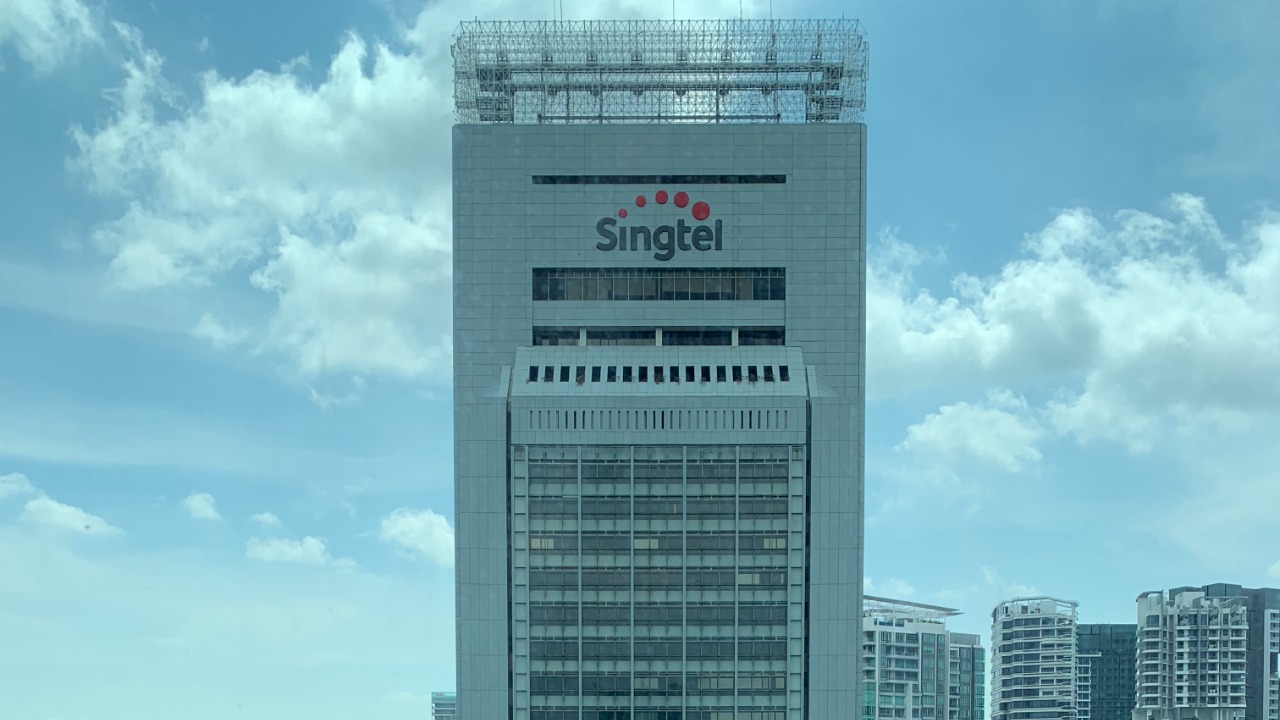
Singtel and Nvidia have jointly established the Singtel Digital InfraCo-NVIDIA Centre of Excellence for Applied AI, a facility designed to help governments and enterprises develop artificial intelligence systems while keeping sensitive data within national borders. The Singapore government formally backed the initiative, with Senior Minister of State Tan Kiat How delivering a speech at the launch that framed the lab as a direct response to growing demand for sovereign digital infrastructure. The partnership sits at the intersection of two competing pressures: the need for cutting-edge AI compute power, which a handful of global chipmakers control, and the rising insistence by regulators across Asia that critical data remain subject to local jurisdiction.
By positioning the centre as a hub for “applied AI” rather than purely experimental research, Singtel and Nvidia are also making a statement about timelines. This is not a long-term bet on speculative technology; it is meant to support near-term deployments in areas like public services, financial compliance, and industrial automation. The emphasis on keeping data and workloads within Singaporean facilities is designed to reassure both regulators and customers that AI adoption can accelerate without sacrificing control over information that governments consider strategically sensitive.
Why Singapore Tied AI Ambitions to Data Sovereignty
The new centre reflects a deliberate policy choice by Singapore to treat AI infrastructure as a matter of national resilience rather than purely commercial opportunity. In his remarks at the launch, Tan Kiat How, who serves as Senior Minister of State at the Ministry of Digital Development and Information, connected the lab’s mission to broader public policy goals. His speech referenced upcoming policy instruments affecting digital infrastructure, signaling that the government views the centre as one piece of a larger regulatory architecture still being assembled.
That framing matters because it distinguishes the Singtel-Nvidia effort from a standard corporate partnership. By attaching sovereign AI goals to the project from day one, Singapore is telling regional neighbors and multinational clients that workloads processed through this centre will operate under local oversight. For enterprises in sectors like finance, healthcare, and defense, where cross-border data transfers carry legal risk, that guarantee carries real commercial weight. The question is whether the centre can deliver AI performance competitive with hyperscale cloud providers while maintaining those sovereignty constraints, a tension that no country has fully resolved.
Who Runs the Lab and What It Signals
The centre is led by two principals: Bill Chang on the Singtel side and Marc Hamilton representing Nvidia. Chang heads Singtel’s digital infrastructure business, which operates data centres and connectivity assets across Southeast Asia. Hamilton leads Nvidia’s applied AI work and has been involved in deploying the company’s GPU clusters for sovereign cloud projects in multiple countries. Their pairing reflects a split in responsibilities: Singtel provides the physical infrastructure and regional regulatory relationships, while Nvidia supplies the compute architecture and AI software stack.
This division of labor is worth examining closely. Nvidia controls the most sought-after AI chips in the world, and its involvement gives the Singapore centre access to hardware that many countries are struggling to secure amid ongoing export restrictions and supply constraints. For Singtel, the partnership elevates its data centre business from a commodity hosting provider to a platform for applied AI, a higher-margin segment. The risk for Singapore is dependency on a single foreign chipmaker for a facility tied to national security goals. If Nvidia’s priorities shift or U.S. export rules tighten further, the centre’s capabilities could be constrained by decisions made outside Singapore’s control.
Regulatory Framework Behind the Initiative
The centre does not operate in a regulatory vacuum. Singapore’s Infocomm Media Development Authority has published advisory guidelines for cloud services and data centres that define expectations around resilience, security, and the handling of workloads within the country’s cloud and data centre ecosystem. These guidelines describe intent, scope, and referenced standards for operators, and they link to specific documents covering both data centre operations and cloud service delivery. The centre’s work on sovereign AI aligns directly with this regulatory guidance, which effectively sets the floor for how AI workloads must be managed when they involve sensitive or government-linked data.
The practical effect is that companies using the centre will need to meet IMDA’s standards as a baseline, not just Nvidia’s technical specifications. That creates a dual compliance layer: one set by the technology provider and another by the national regulator. For regional enterprises evaluating where to place AI workloads, this structure offers a degree of predictability that purely private cloud arrangements lack. It also gives Singapore a template it can export to other ASEAN markets, where data sovereignty rules are tightening but regulatory infrastructure remains less developed. As more governments look to emulate Singapore’s approach, these guidelines could evolve into a de facto benchmark for responsible AI infrastructure in the region.
The Tension Between Global AI and Local Control
Most coverage of sovereign AI labs treats them as straightforward wins for the host country. That framing misses a real tension. The most advanced AI models require massive compute clusters, and the companies that build those clusters, primarily Nvidia, AMD, and a small number of cloud hyperscalers, are overwhelmingly based in the United States. When a country like Singapore builds a sovereign AI centre powered by Nvidia hardware, it gains local control over data but remains dependent on foreign supply chains for the technology itself. If Washington expanded chip export controls to cover more of Nvidia’s product line, or if Nvidia prioritized other markets during a supply shortage, the centre’s sovereign promise could be difficult to sustain.
Tan Kiat How’s speech acknowledged this dynamic indirectly by emphasizing resilience alongside sovereignty. Resilience, in this context, means the ability to keep critical AI systems running even when external conditions change. Building that kind of durability requires not just hardware access but also local talent capable of maintaining and adapting AI systems independently. Singapore has invested heavily in AI workforce development, but the gap between operating someone else’s technology and designing your own remains significant. The centre will be a useful test of whether a small, well-resourced country can close that gap through strategic partnerships rather than domestic chip production.
What Comes Next for Regional AI Policy
The launch also connects to a broader government effort to formalize digital infrastructure oversight. Tan Kiat How’s speech referenced upcoming policy instruments, including what appears to be a Digital Infrastructure Framework still in development. A related government form discovered through the speech’s citation trail suggests that Singapore is building administrative mechanisms to track and regulate facilities like the new centre. This kind of bureaucratic scaffolding often signals that binding rules, not just advisory guidelines, are on the way.
For enterprises across Southeast Asia, the practical takeaway is that sovereign AI infrastructure is moving from concept to operational reality, and Singapore intends to set the regional pace. Companies that want to leverage high-performance AI while keeping sensitive data within national borders will increasingly be expected to engage with facilities like the Singtel-Nvidia centre and comply with Singapore’s evolving regulatory framework. As other ASEAN governments watch how this experiment unfolds (balancing foreign technology dependencies with domestic control over data and standards), the Singapore model may become a reference point for how small states can punch above their weight in the global AI race without surrendering sovereignty over their digital infrastructure.
More From The Daily Overview
*This article was researched with the help of AI, with human editors creating the final content.

Grant Mercer covers market dynamics, business trends, and the economic forces driving growth across industries. His analysis connects macro movements with real-world implications for investors, entrepreneurs, and professionals. Through his work at The Daily Overview, Grant helps readers understand how markets function and where opportunities may emerge.

