Across the United States, small businesses are entering the new year facing a policy shock that many owners say feels uncomfortably familiar. Instead of a virus, the threat now comes from a mix of tariffs, funding cuts and health cost spikes that rivals warn could hit local shops and factories as hard as the Covid shutdowns did. The squeeze is building slowly but relentlessly, and the early evidence suggests it is already reshaping hiring plans, prices and even which communities can sustain a Main Street at all.
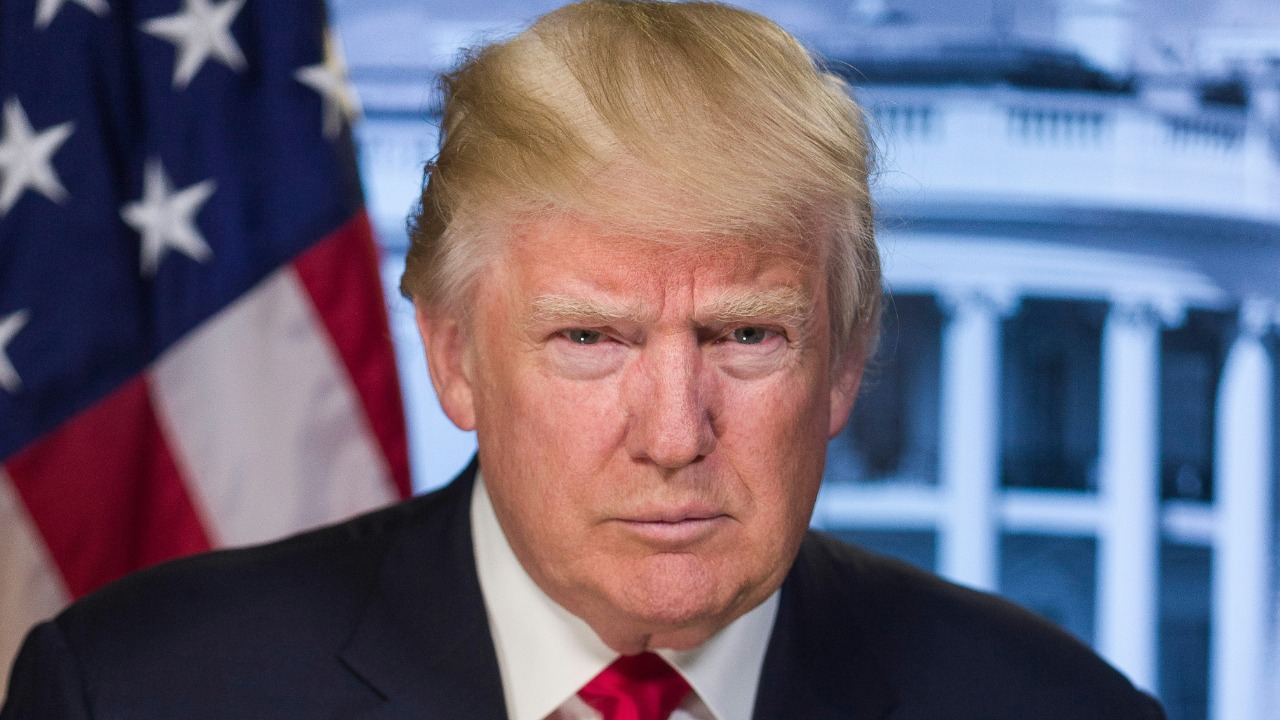
At the center of the storm is President Donald Trump, whose economic agenda has shifted from emergency stimulus to a more hard-edged focus on trade protection, deregulation and deficit cutting. Supporters see a necessary reset after years of extraordinary support, but for many small firms the combination of higher import costs and thinner safety nets is landing at the worst possible time, just as pandemic-era buffers run out and customers grow more cautious.
Covid flashbacks on Main Street
For owners who survived lockdowns, the current moment carries an unsettling sense of déjà vu. Revenue is not collapsing overnight as it did when storefronts were ordered to close, but the margin for error is shrinking in ways that feel just as existential. I hear the same phrases that defined 2020, from “national emergency” to “I do not know how long we can hold on,” only now they are tied to policy choices rather than public health orders.
Economic analysts are already warning that the pressure on small firms could be “as bad as Covid” in its cumulative effect, particularly as inflation and higher borrowing costs collide with weaker consumer demand. One detailed assessment by Melissa Lawford US Economics Correspondent describes how rising prices and policy shifts have already “plunged” parts of the small business sector into what she calls a national emergency. The comparison to the pandemic is not about identical causes, it is about the scale of disruption when fixed costs keep climbing while customers pull back.
Tariffs as a stealth tax on small firms
The most immediate squeeze is coming from tariffs that raise the cost of imported goods, components and materials that small firms rely on. Larger corporations can hedge currency risk, redesign supply chains or lean on volume discounts, but a neighborhood furniture store or a regional cabinet maker has far less room to maneuver. When the price of inputs jumps overnight, they either pass it on to customers and risk losing sales or absorb it and watch profits evaporate.
Economists who have dissected the current tariff regime argue that President Trump is “more directly responsible for stubbornly high prices” than any other single factor, because his levies have pushed up the cost of many imported products and forced companies to raise wages, which in turn raises their costs again. One analysis notes that He is more directly responsible for this dynamic than broader global forces, and that feedback loop is especially punishing for small employers that lack pricing power. When tariffs function as a stealth tax on every shipment, they quietly erode the thin margins that keep local businesses afloat.
Delayed tariffs today, higher prices tomorrow
The White House has tried to soften the blow by phasing in some of the most aggressive measures, but the reprieve is limited. Trump rang in the new year by delaying massive tariffs on furniture, cabinets and Italian pasta, a move that briefly calmed importers and retailers who had braced for immediate price spikes. The decision underscored how politically sensitive these levies have become, particularly in sectors where small and mid-sized firms dominate the supply chain.
Even so, the underlying policy has not changed, only the timing. Officials have made clear that the new duties are still coming, and that the exact impact will depend on what you are buying and how much of it crosses a border. As one detailed breakdown put it, Trump rang in the new year with a delay, not a reversal, and The White House framed the move as a tactical adjustment rather than a change of heart. For small businesses that import Italian ingredients for a neighborhood restaurant or stock foreign-made cabinets in a local showroom, that means a countdown has merely been paused, not canceled.
On the ground: a shopkeeper’s tariff math
Behind the macroeconomic charts are owners doing back-of-the-envelope calculations that determine whether they can keep staff on payroll. One small business owner recently described how Trump’s tariffs on Chinese goods rippled through her sales, forcing her to raise prices on items that customers had long treated as everyday purchases. She talked about the “good things and bad things” that came with the policy, but the bottom line was simple, higher costs meant tougher choices about inventory and staffing.
Her story, shared in a short segment introduced By Hosts and “Published January” in the early morning at 4:49 AM EST with a prompt to “Listen” as MICHEL MARTIN, HOST, walked through the details, captured the human side of a policy debate that can otherwise feel abstract. When a single shipment arrives with a tariff surcharge that wipes out a month of profit on a product line, the owner is not thinking about geopolitics, she is thinking about whether she can still afford to sponsor the local Little League team.
Funding cuts and the end of the safety net
At the same time that tariffs are raising costs, the federal support structure that helped many small firms survive the pandemic is being dismantled. Mr Trump has slashed a fleet of federal funding programmes for small firms, including grants made under the Inflation Reduction Act and other initiatives that had steered cheap capital toward energy upgrades, technology adoption and rural development. For entrepreneurs who built their business plans around those commitments, the sudden reversal has left expansion projects stranded and balance sheets exposed.
The pain is not limited to grants. As government-subsidised healthcare plans expire and premium support is rolled back, owners are being forced to revisit what benefits they can realistically offer employees. One detailed account of these shifts notes that Mr Trump has also slashed key programmes just as those government-subsidised healthcare plans expire, a combination that leaves both employers and workers more exposed. Advocates like Mr Arensmeyer, who has links to small business networks, warn that the shift will show up not only in company ledgers but in the everyday realities of your money, health and holidays.
Health insurance shock and the employer squeeze
Health coverage is emerging as one of the most volatile fault lines in this new environment. Millions of Americans are starting the year with spiking health insurance costs as Affordable Care Act protections are weakened and temporary subsidies lapse. For small employers that do not have the bargaining power of a national chain, the result is a brutal choice between absorbing higher premiums, shifting more of the burden to workers or dropping coverage altogether.
The political battle over these benefits has been fierce. Democrats forced a 43-day government shutdown over the issue, while Moderate Republicans called for a compromise to save at least some of the subsidies that had kept premiums in check. Policy experts like Shawn Gremminger, M.P.P., now predict that Employers will become price setters in 2026 as they gain universal access to claims data and use it to push back on insurers. In theory that could help, but in practice, as one forecast notes, Employers will become price setters only if they have the scale and sophistication to use that data, a tall order for a ten-person shop already juggling payroll and rent.
Manufacturing’s fragile optimism
Nowhere are the crosscurrents more visible than in manufacturing, where order books look healthy on paper but confidence is fragile. Manufacturing in Central Massachusetts, for example, felt the impact of an overhaul in federal policies in 2025, from tariffs on imported components to changes in environmental rules and tax incentives. Those effects will continue to shape the region’s industrial base this year, as factory owners weigh whether to invest in new equipment or wait for a clearer signal from Washington.
Local business leaders describe a mood of “tempered enthusiasm,” a phrase that captures the tension between strong demand in some sectors and deep uncertainty about costs and regulation. One regional forecast notes that Manufacturing in Central Massachusetts is still adapting to this new policy environment, with some firms benefiting from reshoring while others struggle to source affordable inputs. For small and mid-sized manufacturers that lack the buffers of global conglomerates, a single policy tweak can be the difference between a year of expansion and a year of layoffs.
Macro growth, micro anxiety
Supporters of the Trump agenda point to headline numbers that still look strong, from low unemployment to solid GDP growth. There is no question that parts of the economy are humming, particularly in sectors that benefit from domestic investment and defense spending. Yet beneath those aggregates, sentiment surveys show that Most Americans are turning increasingly gloomy about their own economic futures, a divergence that suggests the gains are not being felt evenly.
One broad review of the president’s first-year economic record highlights this split, noting that Most Americans see Robust growth in the data but remain wary about what it means for their own job security and household budgets. For small business owners, that anxiety is not theoretical, it shows up in slower foot traffic, more cautious corporate clients and lenders who are suddenly more conservative. When customers feel squeezed by higher prices and uncertain about their paychecks, they cut back on the very discretionary spending that keeps local shops alive.
Why small businesses feel it first
Part of the reason this policy mix feels so punishing to small firms is structural. Larger companies can spread risk across markets, negotiate better terms with suppliers and tap capital markets when cash runs short. A family-owned retailer or a small manufacturer, by contrast, often depends on a single bank, a handful of key customers and a narrow product line. When tariffs raise input costs or health premiums jump, there is nowhere to hide.
Financial experts who advise entrepreneurs stress that the impact of tariffs on small business is both direct and indirect. Directly, they pay more for imported goods and materials. Indirectly, they face weaker demand as consumers absorb higher prices on everything from appliances to groceries. One guide for owners spells this out plainly, explaining that The impact of tariffs on small business includes squeezed margins, disrupted supply chains and a more volatile planning environment. In that sense, the Trump-era squeeze is less a single shock than a series of overlapping pressures that, taken together, can feel every bit as destabilising as the Covid years did.
The road ahead for Main Street
Looking ahead, the central question is not whether small businesses can adapt, many already are, but how much damage will be done in the process. Some will find ways to localise supply chains, renegotiate leases or share benefits costs with workers in more transparent ways. Others will not survive the transition, leaving gaps on Main Streets that were only just recovering from the last crisis. The risk is that communities lose not only jobs but the social fabric that independent shops and services provide.
Economic commentators who have tracked these trends argue that the biggest threat to the 2026 economy is still Donald Trump, not because growth will vanish overnight, but because the cumulative effect of his policies amplifies existing vulnerabilities. One widely cited analysis warns that the biggest threat lies in the combination of stubborn inflation, elevated tariffs and fraying safety nets that leave small firms with little room to absorb shocks. If that diagnosis is right, then the comparison to Covid is less a rhetorical flourish than a sober warning about what happens when Main Street is asked, once again, to carry the heaviest load.
More From TheDailyOverview

Grant Mercer covers market dynamics, business trends, and the economic forces driving growth across industries. His analysis connects macro movements with real-world implications for investors, entrepreneurs, and professionals. Through his work at The Daily Overview, Grant helps readers understand how markets function and where opportunities may emerge.

