A new Social Security retiree who regrets claiming early may have one narrow way to erase the application and start over later. Social Security allows a retirement application to be withdrawn within 12 months of benefit entitlement.
The option is powerful because an approved withdrawal treats the original application as though it never happened. It is also expensive: benefits paid to the worker and affected family members generally must be repaid.
The 12-Month and One-Time Limits
Social Security’s official withdrawal page says a person can cancel or withdraw an application up to 12 months after approval and may use the option only once. The request is made on Form SSA-521.
This is different from voluntarily suspending benefits after full retirement age. A suspension pauses future payments and can allow delayed retirement credits; a withdrawal attempts to unwind the original claim.
Repayment Reaches Beyond the Bank Deposit
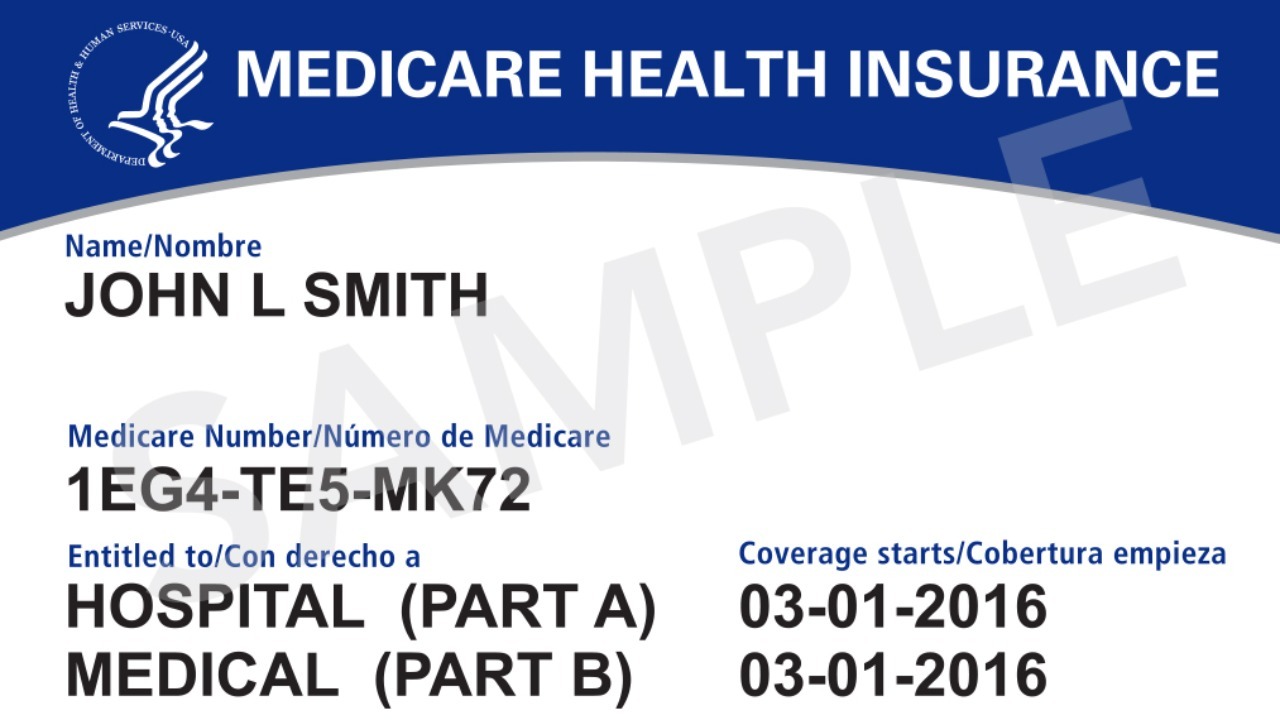
The repayment can include benefits received by the worker and family members, Medicare premiums withheld from checks, voluntary tax withholding and garnishments. Medicare Part A medical expenses paid during the period may also have to be repaid.
Other people whose benefits would be affected may need to consent in writing. That makes a family-benefit record more complicated than a single retiree returning the amount shown on personal bank statements.
Why Someone Might Consider It
A retiree may have returned to work, discovered that other income covers current expenses or concluded that the permanent early-claim reduction was larger than expected. Withdrawing can allow a later application at an older age.
The decision does not create free money. The household gives back what was paid and trades current cash for the possibility of a larger future monthly benefit, subject to the rules in effect when the person reapplies.
The Math to Do Before Filing Form 521
A useful comparison includes the full repayment amount, taxes, Medicare consequences, expected longevity, survivor benefits and the monthly increase from waiting. The break-even point can be many years away.
Because the window closes, the estimate should come from Social Security before the deadline. A written repayment figure and a benefits estimate make the decision much safer than relying on a rough online claim that starting over is always better.
Withdrawal and Suspension Solve Different Problems
Someone who has reached full retirement age but is outside the 12-month withdrawal period may be able to ask Social Security to suspend future retirement benefits. During a voluntary suspension, no retirement check is paid, and delayed retirement credits can increase the benefit until age 70. The original application remains in place.
Suspension can also stop benefits payable to other people on the worker’s record, with limited exceptions, and Medicare premiums may need to be paid directly when they are no longer deducted from a Social Security check. Social Security’s pause-benefits guidance explains those consequences.
Family Benefits Make the Repayment Bigger
A worker’s retirement claim can trigger payments to a spouse or child. When the worker withdraws the application, those benefits may also need to be repaid, and the affected family members may need to consent. The total can therefore be much larger than the deposits received in the worker’s own account.
The household should ask Social Security for the amount owed by every person on the record and how tax withholding will be handled. It should also confirm what happens to Medicare enrollment before sending payment. The decision is reversible only within a narrow process, so every affected benefit should be mapped before Form SSA-521 is filed.
Repayment can affect tax records from a prior calendar year. A beneficiary may need corrected information or may qualify for a deduction or credit under tax rules for repaid income, depending on the amount and circumstances. Social Security can explain its reporting, while a tax professional can address how the repayment appears on the return.
The twelve-month deadline is unforgiving. Gathering estimates should begin well before the last eligible month so family consents, Medicare costs and the repayment amount can be resolved. Submitting a rushed request without enough cash to complete repayment can leave the household in a worse position than carefully comparing withdrawal, suspension and simply continuing the original benefit.
This article was created with AI assistance and reviewed for accuracy against official government sources.

Cole Whitaker focuses on the fundamentals of money management, helping readers make smarter decisions around income, spending, saving, and long-term financial stability. His writing emphasizes clarity, discipline, and practical systems that work in real life. At The Daily Overview, Cole breaks down personal finance topics into straightforward guidance readers can apply immediately.