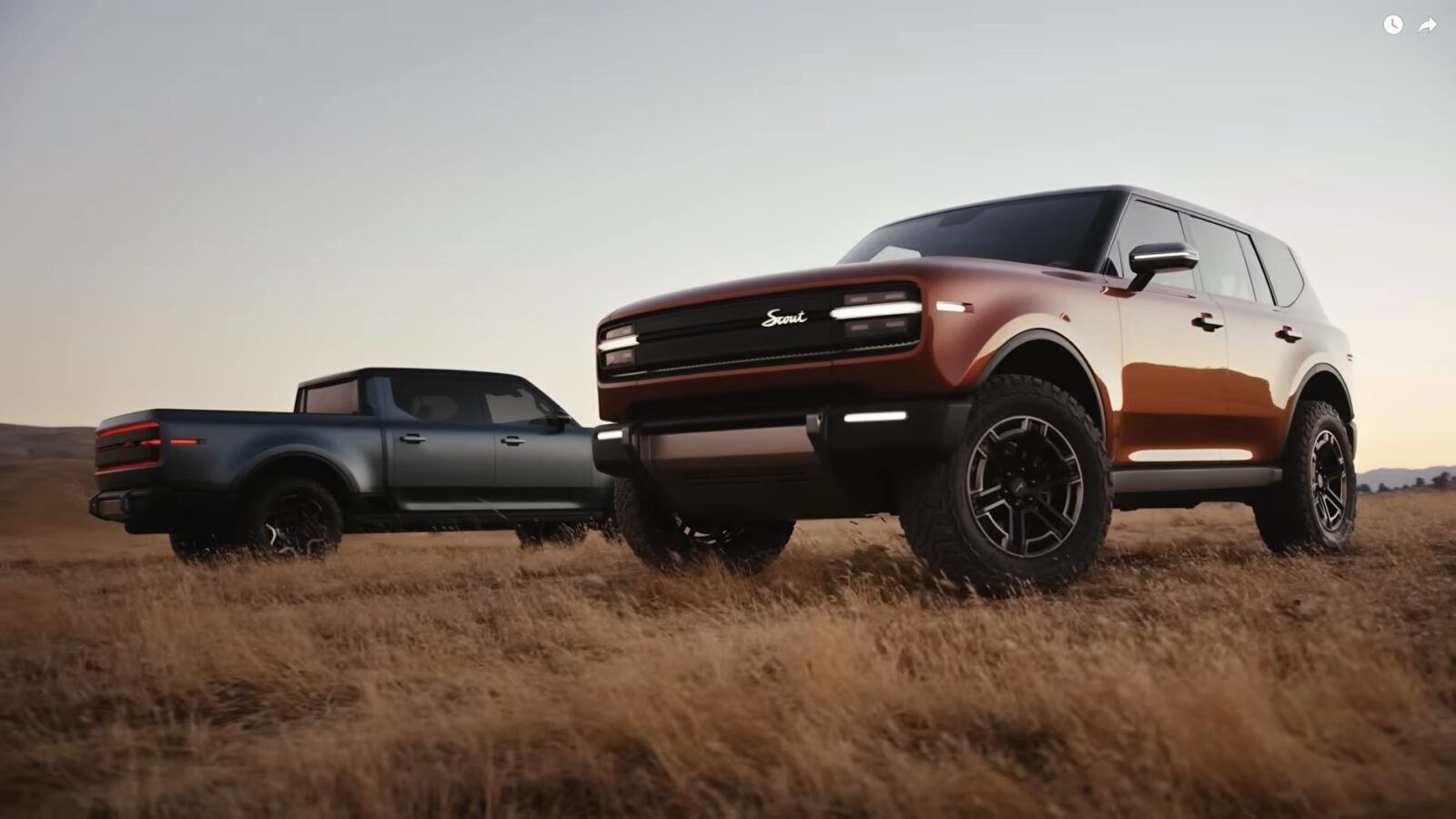
South Carolina’s record-setting incentive package for Scout Motors was supposed to be a clean, capped bet on thousands of electric vehicle jobs. Instead, the public cost of the project has already blown past expectations, with the state now roughly $150 million over its original budget for the Blythewood manufacturing campus. The gap is forcing lawmakers to confront how a $1.3 billion promise turned into an open-ended obligation for taxpayers.
The overruns are tied to infrastructure and environmental work the state agreed to handle at no cost to the company, from road upgrades to complex wetlands mitigation. As the bill grows, the Scout Motors project has become a test case for how far South Carolina is willing to go to compete for marquee industrial investments, and how much financial risk it is prepared to shift from corporations to the public.
The $1.3 billion deal that set the stage
When state leaders first courted Scout Motors, they framed the offer as a transformational wager on the future of American-made electric trucks and SUVs. South Carolina moved to put up a state-record $1.3 billion in incentives to land the Volkswagen-backed brand’s assembly plant in Richland County, a package that included land, site preparation, and major infrastructure work in the Columbia area for the new facility in Richland. The project was pitched as a signature win for COLUMBIA and the broader Midlands, tying the state’s manufacturing identity to a new generation of battery-powered vehicles.
The company itself is a creation of Volkswagen, which revived the historic Scout nameplate to build rugged electric models for Scout fans on American roads. In March 2023, executives announced plans for a state-of-the-art production center that would assemble a new SUV and a full-size pickup truck, with the South Carolina site at the heart of that strategy. Although Volkswagen’s backing gives the venture deep-pocketed corporate support, the state still agreed to shoulder roughly $1.3 in public incentives for the factory, a commitment later highlighted when Volkswagen and Scout confirmed the scale of the package.
How a fixed promise turned into a $150 million problem
The financial trouble did not come from the core incentive pledge itself, but from the fine print that put the state on the hook for virtually all site-related costs. South Carolina’s Department of Commerce committed to deliver a fully prepared site, including roads, rail, utilities, and environmental work, with those obligations structured so that Scout Motors would not pay for overruns. As construction advanced, the price of those commitments climbed until the state found itself roughly $150 million over the amount originally budgeted for the Scout Motors package.
Internal breakdowns presented to lawmakers show that a significant share of the extra spending is tied to transportation improvements that were always part of the promise but turned out to be more expensive than anticipated. One example is a set of road projects around the Blythewood site, where the state’s own estimates for upgrades and connectors have risen sharply. In one case, the cost of a specific road improvement was pegged at $17 million, a figure that helped illustrate how a handful of big-ticket items could quickly eat up contingency funds and push the overall package beyond its initial ceiling, according to a briefing that detailed cost: $17 million for one of the key connectors.
Wetlands, mitigation, and the hidden price of the site
Beyond the headline numbers, the most striking driver of the overrun is environmental work that was underestimated at the outset. The Scout Motors campus sits on land that includes sensitive wetlands, and clearing and grading the site triggered extensive mitigation requirements under federal and state rules. Officials now say that nearly half of the cost gap is tied to this category alone, with a Jan briefing noting that roughly 33 percent of the overruns were linked to road improvements and the rest dominated by By Joseph Bustos and other environmental obligations around The Scout Motors project in Blythewood, South Carolina.
Separate reporting on the Wetlands work has underscored just how large that line item has become. About $72 million of the extra spending is tied directly to wetlands mitigation, as the state acquires and protects other land to compensate for the acreage being disturbed at the factory site, a figure detailed in a breakdown that put $72 million in this single category. Another account of the same issue described how Wetlands work for the Scout Motors site accounts for nearly half of the total overrun, with Wetlands mitigation emerging as a textbook example of a hidden cost that can upend even a carefully modeled incentive package.
Commerce on the hook, taxpayers in the dark
The structure of the Scout Motors deal means the financial pain is landing squarely on a single state agency. South Carolina’s Department of Commerce agreed to absorb any overruns tied to the site and infrastructure work, a commitment that now leaves it responsible for the entire $150 million gap. In a Jan presentation to legislators, officials acknowledged that Commerce is effectively on the hook for the extra spending, a reality that has raised questions about how the agency will cover the shortfall without cutting into other economic development priorities, as outlined in a briefing that described how By John Commerce officials walked lawmakers through the numbers.
To plug at least part of the hole, the state is already seeking additional appropriations. Earlier this year, Commerce asked for another $50 million for the Scout site in Blythewood, money that would go toward water, sewer, and road work that remains unfinished. The request made clear that the new funds would flow to the Department of Commerce and not the company, reinforcing that taxpayers, not Scout Motors, are being asked to absorb the overruns tied to the original commitments, according to a request that detailed how South Carolina seeks more for the site.
Jobs, politics, and the risk of buyer’s remorse
Supporters of the Scout Motors package argue that the long-term payoff will justify the near-term sticker shock. The factory is expected to anchor a new EV supply chain in the Midlands, with suppliers and logistics firms clustering around the Blythewood campus. Scout Motors has already announced plans to invest additional capital in South Carolina, including a separate commitment to put $300M into expanding operations and bringing new jobs to the region, a move highlighted in a video update that framed the project as one of the state’s biggest automotive efforts as the Midlands continues to grow. The Department of Commerce, for its part, points to completed infrastructure like the rail bridge into the site and notes that Scout Motors has already received $400 m for site construction as part of the broader package, with a social media post confirming that Department of Commerce has already completed the rail bridge and that Scout Motors has received $400 million for site work.
Critics counter that the state has taken on too much risk for a single corporate project, especially one backed by a global automaker like Volkswagen. They note that South Carolina not only offered a record incentive package but also structured it so that the public shoulders virtually all cost overruns, a design that leaves little financial downside for the company if expenses spiral. One analysis pointed out that the company is backed by Volkswagen yet still secured $1.3 billion in state support, and that the project is already $150 million over budget, a combination that has fueled skepticism about whether the state negotiated hard enough on behalf of taxpayers, as highlighted in a commentary that stressed how Volkswagen and Scout Motors benefited from unusually generous terms.
More From TheDailyOverview
*This article was researched with the help of AI, with human editors creating the final content.

Grant Mercer covers market dynamics, business trends, and the economic forces driving growth across industries. His analysis connects macro movements with real-world implications for investors, entrepreneurs, and professionals. Through his work at The Daily Overview, Grant helps readers understand how markets function and where opportunities may emerge.

