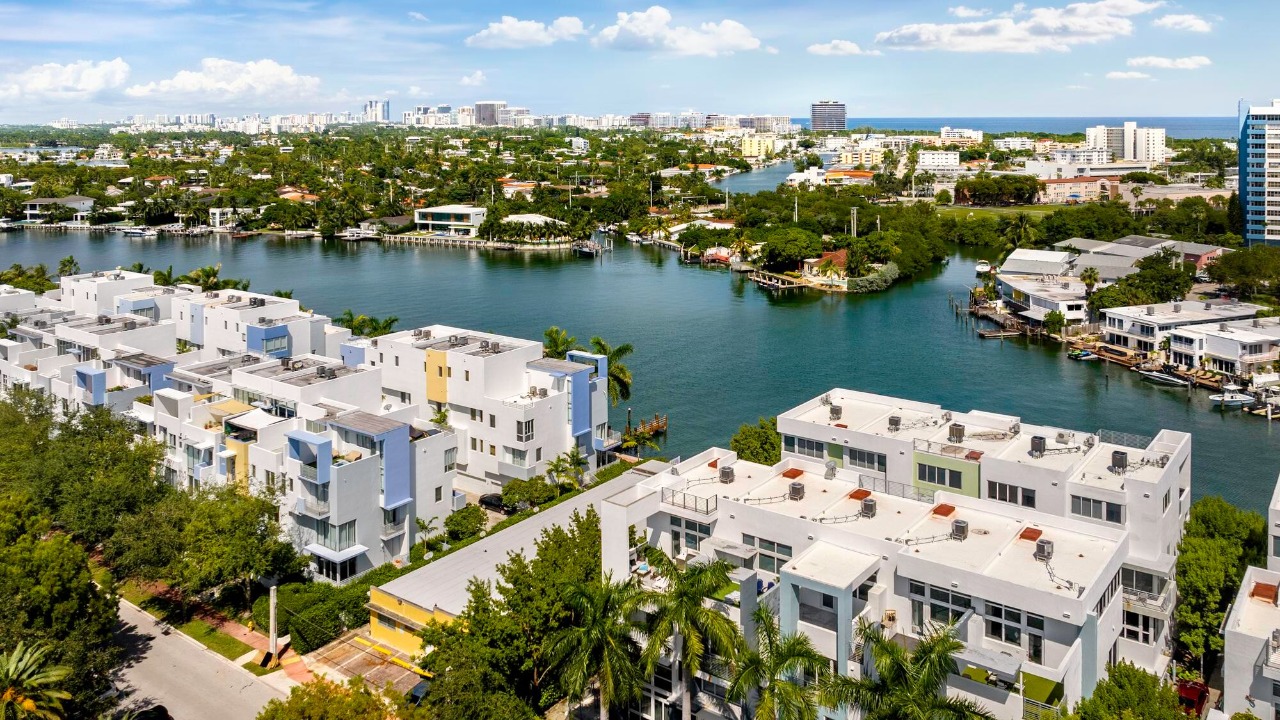
The promise of palm trees, low taxes and endless sunshine once drew middle-income families to Florida in droves. Now, many of those same households are quietly packing moving trucks, concluding that the math of daily life in the state no longer works. The Florida dream has not disappeared entirely, but for a growing share of residents it has become too expensive, too stressful and too fragile to hold onto.
Behind the glossy real estate ads and tourism campaigns, a different story is unfolding: rising costs, stagnant wages and mounting climate risks are pushing ordinary families to reconsider whether staying is worth it. I see a widening gap between the image of Florida as an affordable paradise and the reality of families who feel squeezed to the point of giving up and moving out.
The cost-of-living squeeze hits the middle class
The core of the exodus is simple: the cost of living has surged faster than paychecks, especially for housing, insurance and everyday essentials. I hear from families who arrived expecting a bargain compared with New York or Chicago, only to find that rent hikes, homeowners association fees and property insurance premiums devour their budgets. Moving companies now report that rising expenses are a central reason people are leaving, with one major carrier noting that the rising cost of living and housing prices have become key drivers for outbound moves from Florida.
Housing illustrates the contradiction at the heart of the state’s appeal. On paper, there is no shortage of places to live: Florida has around 10.5 m housing units, according to the most recent census data, a figure that suggests ample supply. Yet middle-income buyers and renters often find that the units they can actually afford are far from job centers, in flood-prone zones, or in aging buildings that need costly upgrades. The headline numbers mask a deeper affordability crisis that is forcing families to choose between overextending themselves or walking away from the state altogether.
Migration momentum shifts as newcomers grow wealthier
For years, Florida could rely on a steady stream of new arrivals to offset those who left, but that balance is starting to wobble. I see signs that the state’s long-running in-migration boom is cooling, especially among domestic movers who once flocked to the Sunbelt for cheaper living. In the year through November, just over half of one global moving company’s Florida-related moves were inbound, the first time in recent memory that inbound and outbound traffic were so close, a shift that analysts say reflects a slowdown in Florida‘s domestic in-migration.
At the same time, the profile of who is moving in is changing in ways that leave the middle class exposed. About About 25% of those leaving Florida are between the ages of 20 and 29, while newcomers tend to be older and wealthier, often arriving with significant home equity or investment income. That inflow of affluent residents helps keep real estate and consumer prices elevated, but it does little for younger workers and families who depend on local wages. The result is a two-track Florida, where high earners can still buy into the dream and everyone else feels pushed to the margins or out of the state entirely.
Retirement haven or middle-class trap?
Florida’s brand as a retirement haven is colliding with the financial reality facing middle-income seniors and near-retirees. I talk to couples who moved south expecting to stretch their 401(k)s, only to discover that insurance, condo assessments and medical costs are far higher than they budgeted. Analysts now warn that what once looked like a safe bet can morph into a trap, with one detailed review describing how the middle class is being pushed out of the Sunshine State as housing, taxes on everyday spending and storm-related expenses erode fixed incomes Jan.
Climate risk magnifies that pressure. This does not even account for the “hurricane fatigue” that many residents describe, the physical and financial toll of preparing for storms, buying supplies, evacuating and then dealing with repairs or insurance claims year after year. For retirees on a budget, the prospect of paying thousands of dollars annually for homeowners coverage, flood insurance and special assessments to harden buildings against future storms can be the breaking point. I see more middle-income retirees deciding that their hard-earned savings will last longer in places with fewer weather shocks, even if that means giving up the beaches and golf courses they once saw as the reward for decades of work.
Young workers and families run out of runway
If retirees feel trapped, younger Floridians increasingly feel shut out. High prices and limited career opportunities are pushing many twenty- and thirtysomethings to look elsewhere, especially those who do not work in tourism, health care or high-end real estate. Reporting shows that high prices and limited career options are undermining the dream of life in Miami and other coastal hubs, with younger residents concluding that the lifestyle they see on social media is unattainable on local wages Florida.
Middle-income families with children face an especially stark calculus. They weigh the cost of rent or a mortgage, child care, car insurance and hurricane preparations against what they could afford in states with lower housing costs and more diversified job markets. One recent video report captured how the disappearing Florida dream is prompting middle-income families to pack their bags, warning viewers to think twice before buying a Florida condo if they want to protect their hard-earned retirement savings and avoid being locked into an unaffordable lifestyle Why. I hear similar stories from parents who decide that moving to a smaller city in the Midwest or Carolinas offers a better shot at homeownership and financial stability than staying put.
Half the state is thinking about leaving
What was once anecdotal is now showing up in hard numbers. Almost Almost 50% of the state residents who took part in a poll from Florida Atlantic University’s Business and Economic Polling Initiat said they had considered the possibility of moving out of the Sunshine State because of the cost of living. When half of respondents in a broad poll say they are at least thinking about leaving, it signals more than isolated frustration. It suggests a widespread sense that the economic deal Florida offers its residents has changed, and not in their favor.
Yet the story is not one of simple decline. Even as more people leave, Florida continues to attract new residents, especially from higher-cost states and from abroad. One major mover notes that despite the increasing number of people leaving, inbound moves remain significant, a reminder that the state’s allure has not vanished even as the pressures mount People Still Moving. I see a Florida that is not emptying out, but rather being reshaped: wealthier newcomers replace departing middle-income families, coastal towers fill even as inland apartment complexes churn, and the dream that once belonged to teachers, nurses and office workers increasingly belongs to those with deeper pockets.
More From TheDailyOverview
*This article was researched with the help of AI, with human editors creating the final content.

Elias Broderick specializes in residential and commercial real estate, with a focus on market cycles, property fundamentals, and investment strategy. His writing translates complex housing and development trends into clear insights for both new and experienced investors. At The Daily Overview, Elias explores how real estate fits into long-term wealth planning.