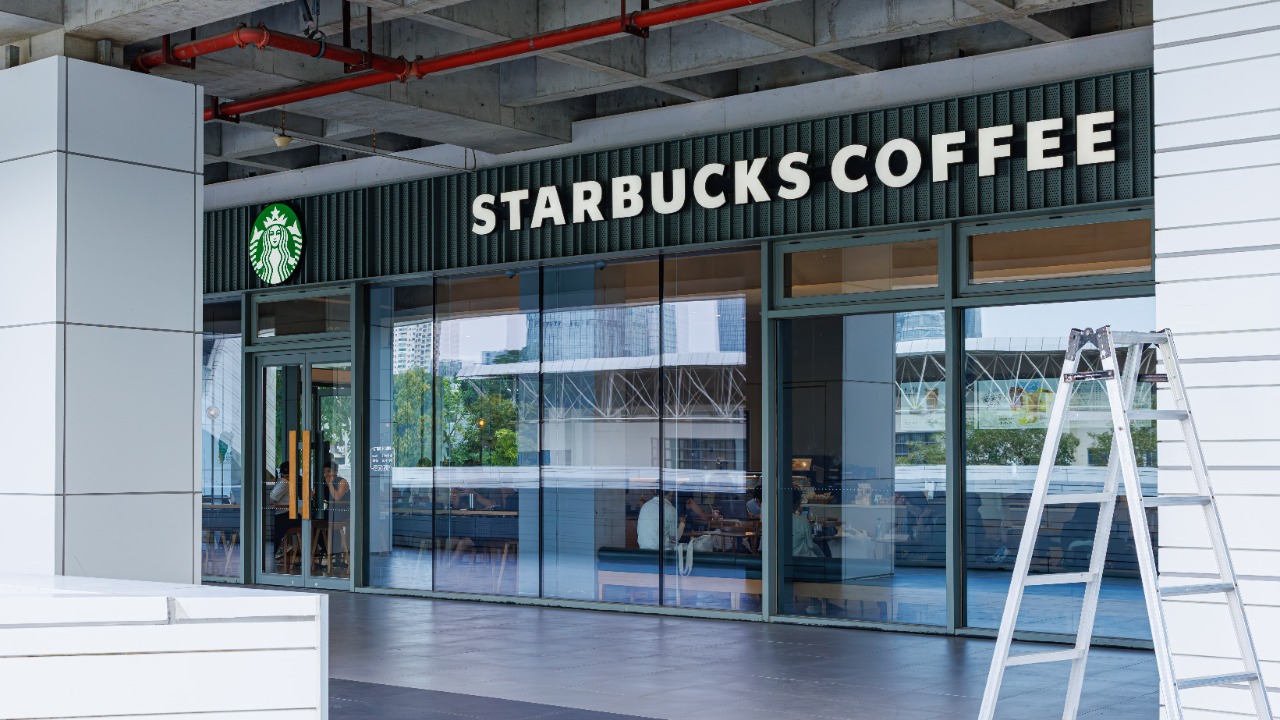
Starbucks has finalized a partnership deal in China that has been described as underwhelming due to its limited scope and concessions. This agreement, completed on November 4, 2025, allows the coffee chain to redirect resources toward its most critical growth areas in the U.S. and other key markets. The deal marks a strategic pivot for the Seattle-based company amid intensifying competition from local rivals like Luckin Coffee. By scaling back ambitious expansion plans in the world’s second-largest economy, Starbucks signals a renewed emphasis on operational efficiency and premium customer experiences elsewhere.
The Underwhelming Nature of the China Partnership
The specifics of Starbucks’ new partnership deal in China reveal a strategic retreat from its previous ambitions. The agreement includes reduced store opening targets and shared control with local partners, which fell short of investor expectations for aggressive market dominance. Notably, the deal limits Starbucks’ ownership stake in joint ventures to under 50%, a significant departure from its earlier goals of full control in high-growth regions like Shanghai and Beijing. This shift reflects a more cautious approach, prioritizing stability over rapid expansion.
Analysts have reacted to the deal with skepticism, labeling it as a retreat. Reports from CNBC echo this sentiment, describing the agreement as “underwhelming.” The consensus among market observers is that Starbucks has opted for a more conservative strategy, focusing on maintaining its existing market share rather than pursuing aggressive growth. This decision underscores the challenges Starbucks faces in China, where local competitors have gained ground by offering more affordable alternatives.
Background on Starbucks’ Challenges in China
The buildup to this deal has been marked by several challenges for Starbucks in China. Since 2023, the company has experienced slowed sales growth due to economic headwinds and a shift among price-sensitive consumers toward cheaper alternatives. This trend has been exacerbated by the rapid expansion of local competitors like Luckin Coffee, which have captured market share through aggressive, low-cost scaling strategies. As a result, Starbucks has been forced to reassess its premium pricing model, which has not resonated as strongly with Chinese consumers as anticipated.
Previously, Starbucks had embarked on an ambitious expansion effort, opening over 6,000 stores by mid-2025. However, this rapid growth strained resources without delivering proportional revenue gains. The competitive landscape in China has proven to be more challenging than expected, with rivals leveraging their local knowledge and cost advantages to outpace Starbucks’ expansion. This environment has necessitated a strategic reevaluation, leading to the current partnership deal that prioritizes sustainable operations over aggressive growth.
Strategic Shift Toward Core Priorities
The China deal enables Starbucks to reallocate capital, with an estimated $500 million redirected to U.S. store renovations and digital innovations starting in Q1 2026. This strategic shift allows the company to focus on “what matters most,” as articulated in the November 4, 2025, announcement. Enhancing loyalty programs and strengthening supply chain resilience in North America are key priorities, reflecting a renewed emphasis on operational efficiency and customer experience in its home market.
For shareholders, this pivot offers several benefits, including improved margins from reduced international exposure. By scaling back its ambitions in China, Starbucks signals a change from global overreach to domestic fortification. This strategy is expected to yield positive results, as evidenced by a 2% uptick in stock prices following the announcement. Investors have responded positively to the company’s focus on core markets, viewing it as a prudent move to stabilize and enhance profitability.
Implications for Stakeholders and Future Outlook
The implications of this deal extend to various stakeholders, including employees and partners in China. While the agreement may slow hiring, it also stabilizes operations through localized decision-making. This approach allows Starbucks to adapt more effectively to the unique challenges of the Chinese market, leveraging local expertise to maintain its presence without overextending resources.
For investors, the strategic pivot has been well-received, with stock reactions showing a positive trend. The market views this shift as a necessary adjustment to previous China-centric strategies that had become a drag on overall performance. By freeing resources to focus on sustainability initiatives and menu innovations globally, Starbucks positions itself for long-term success. This new direction marks a departure from earlier strategies, emphasizing the importance of adaptability and strategic focus in a rapidly changing global market.
More From TheDailyOverview
- Dave Ramsey warns to stop 401(k) contributions
- 11 night jobs you can do from home (not exciting but steady)
- Small U.S. cities ready to boom next
- 19 things boomers should never sell no matter what

Grant Mercer covers market dynamics, business trends, and the economic forces driving growth across industries. His analysis connects macro movements with real-world implications for investors, entrepreneurs, and professionals. Through his work at The Daily Overview, Grant helps readers understand how markets function and where opportunities may emerge.