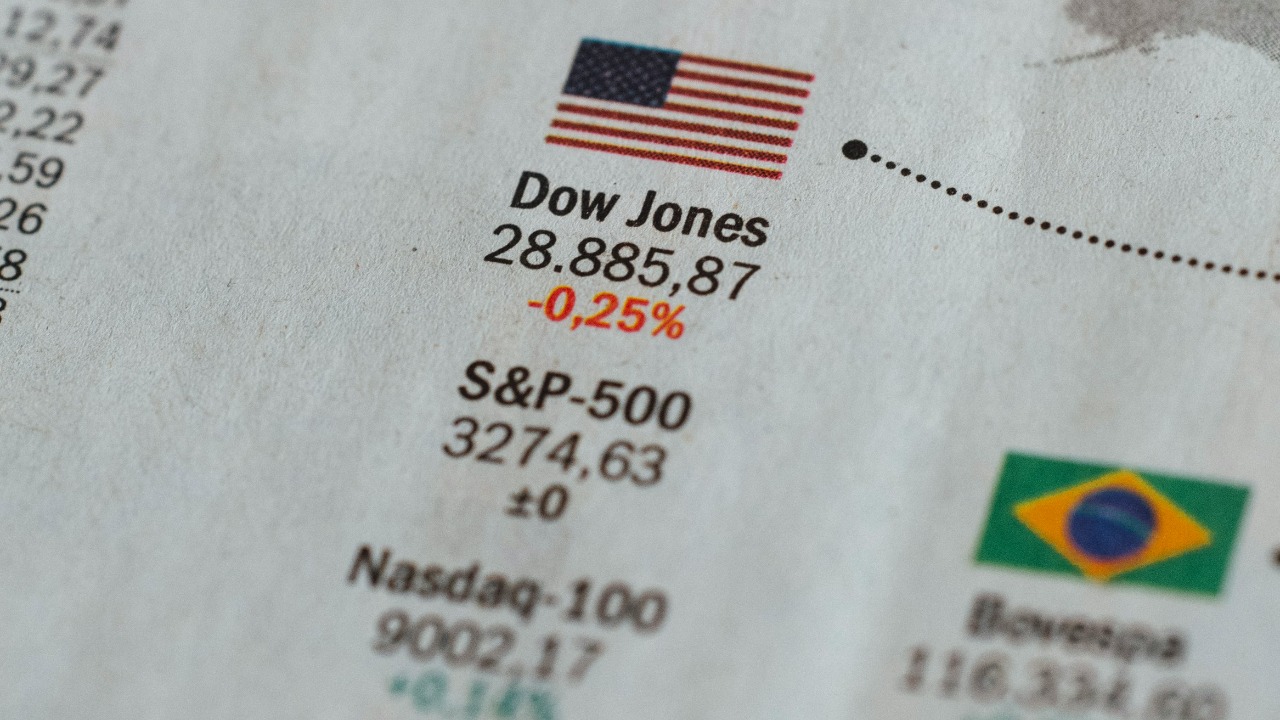
U.S. stocks are on the verge of doing something they have managed only a handful of times since World War II: string together a fourth straight year of strong gains. That rare setup is shaping expectations for 2026, as investors weigh whether momentum, monetary policy and earnings can keep the rally alive or finally force a reset. The pattern in past cycles suggests both opportunity and risk, with history hinting at more modest returns even when the bull market survives.
As I look ahead to 2026, I see three forces colliding: a powerful run in the S&P 500, a shifting Federal Reserve, and a global economy that could finally give international markets a turn in the spotlight. The result is unlikely to be a simple repeat of the last few years, and the postwar record shows that when stocks reach this kind of milestone, leadership often changes and volatility tends to rise.
History’s rare four-year streak and what it implies now
The S&P 500 is closing in on a feat it has achieved only eight times since 1926, delivering gains of 15% or more for three consecutive years and setting up a potential fourth. That track record is what makes the current moment feel like a “fourth postwar repeat,” a point where the market has already banked several years of strong performance and investors must decide whether to lean into the trend or assume gravity will reassert itself. In earlier cycles, such extended runs have often been followed by slower but still positive returns rather than immediate collapses, which argues against treating a fourth year of gains as an automatic sell signal.
Historical analysis of those eight prior episodes shows that the index has sometimes continued to advance, but the path has rarely been smooth and has often included sharp pullbacks even when the calendar year finished higher. That nuance matters now, because the current rally is again being driven by concentrated leadership and elevated expectations, conditions that have previously left the market vulnerable to disappointment. The pattern of three straight years of 15% plus gains in the S&P 500 underscores how unusual the present setup is and why I expect 2026 to look different from the easy-money years that preceded it.
Wall Street’s 2026 script: solid, not spectacular
Against that historical backdrop, Wall Street’s baseline for 2026 is surprisingly restrained. Strategists who track the S&P 500 in detail are generally calling for modest gains rather than another explosive year, even as they acknowledge that artificial intelligence and easing financial conditions could keep the bull market intact. One widely cited outlook frames the S&P 500 in 2026 as a market that still grinds higher but at a slower pace, with valuations already rich and earnings growth doing more of the heavy lifting than multiple expansion, a view that aligns with the idea of “normalization” after an extraordinary run.
That tempered tone is echoed in broader commentary about what investors should expect from U.S. equities and other assets as the new year approaches. Analysts who follow both stocks and commodities see room for further gains in risk assets, but they also highlight how much good news is already priced in, from disinflation to productivity gains tied to AI. One detailed forecast notes that the S&P 500 in 2026 is likely to deliver only modest returns compared with the past three years, even as gold and other hedges remain in demand from investors who want protection against policy or geopolitical surprises.
The Federal Reserve, earnings and the AI engine
Monetary policy is the other key ingredient in the 2026 story, and here the tone is more supportive. After a long tightening cycle, the Federal Reserve is now signaling that it is closer to cutting rates than raising them, a shift that historically has been friendly to equities when it happens against a backdrop of steady growth. Market-based forecasts suggest that lower borrowing costs in 2026 could help sustain corporate investment and consumer demand, which in turn would underpin earnings and justify at least some of the market’s current optimism.
That optimism is especially visible in the way investors have embraced artificial intelligence as a structural growth driver. The S&P 500 has already advanced 16% year to date as enthusiasm about AI more than offset concerns about higher rates, and projections for 2026 assume that companies selling or deploying AI products will continue to post outsized profit gains. Wall Street expects another strong year for the index, with some forecasts calling for it to advance 17% to 7,968 as earnings for the S&P 500 compound on top of the gains already delivered by the first wave of AI adoption.
Why some experts still call 2026 “lackluster”
Even with that supportive backdrop, not every strategist is convinced that 2026 will feel like a boom year for stock investors. Some experts argue that, after such a powerful run, the market is more likely to deliver mid-single-digit or low double-digit returns that look “lackluster” compared with the recent past, even if they are perfectly respectable by historical standards. Their concern is not that a deep recession is imminent, but that valuations in key sectors, especially technology, already embed aggressive assumptions about future growth and could be vulnerable if those expectations are not met.
Those more cautious voices point out that analysts are generally optimistic about the stock market heading into 2026, with even the most conservative forecasts still pointing to gains, which leaves relatively little margin for error. They also highlight pockets of froth, particularly in early-stage technology with uncertain commercial potential, where investor enthusiasm may have run ahead of fundamentals. One detailed assessment notes that Analysts see 2026 as a year when the market still rises but leadership narrows and dispersion increases, which would reward stock pickers more than passive index buyers.
What history and global markets say about leadership in 2026
To understand how that might play out, I find it useful to look at what previous four-year runs have meant for sector and regional leadership. In several past cycles, the U.S. market remained positive but ceded some ground to international peers as valuations abroad looked more attractive and global growth broadened out. That pattern could repeat if a softer dollar and improving conditions in Europe and emerging markets draw capital away from the U.S. megacaps that have dominated the current bull market.
There are already signs that international equities could play a bigger role in portfolios in 2026. Detailed research on the 2026 Outlook for International Stocks and Economy argues that International stocks could be poised for another strong year if growth outside the United States accelerates and the dollar weakens, although that view comes with caveats about what happens if those conditions fail to materialize. Historical work on U.S. performance also suggests that when Wall Street is broadly predicting a smooth continuation of recent gains, the market rarely follows the script exactly, a point underscored by research into What History Says About future Stock Returns and how often consensus forecasts miss turning points.
Growth versus value and how to position for a rare setup
Within the U.S. market, the tug-of-war between growth and value is likely to define how investors experience 2026. The recent rally has been dominated by large technology and communication services names, but there are growing signs that more cyclical and income-oriented sectors are starting to attract attention as the economy stabilizes and bond yields drift lower. If the fourth-year pattern holds, I expect leadership to broaden, with more of the index’s gains coming from financials, industrials and healthcare rather than a narrow group of AI beneficiaries.
That shift is already visible in the way professional money managers are talking about sector allocation. Economic data releases and earnings have given Economic support to the idea that the rally can extend, and Investors are increasingly debating whether to rotate toward value-oriented stocks that have lagged but now trade at more attractive multiples. At the same time, few are ready to abandon the AI theme, which many see as “very real” in terms of its impact on productivity and profits, even if the market’s enthusiasm occasionally overshoots. That combination of a rare historical setup, a supportive but shifting policy backdrop, and a more balanced leadership profile is what I expect to define the stock landscape as 2026 unfolds.
Supporting sources: Will the stock market soar in 2026? The Federal Reserve has good ….
More From TheDailyOverview

Grant Mercer covers market dynamics, business trends, and the economic forces driving growth across industries. His analysis connects macro movements with real-world implications for investors, entrepreneurs, and professionals. Through his work at The Daily Overview, Grant helps readers understand how markets function and where opportunities may emerge.

