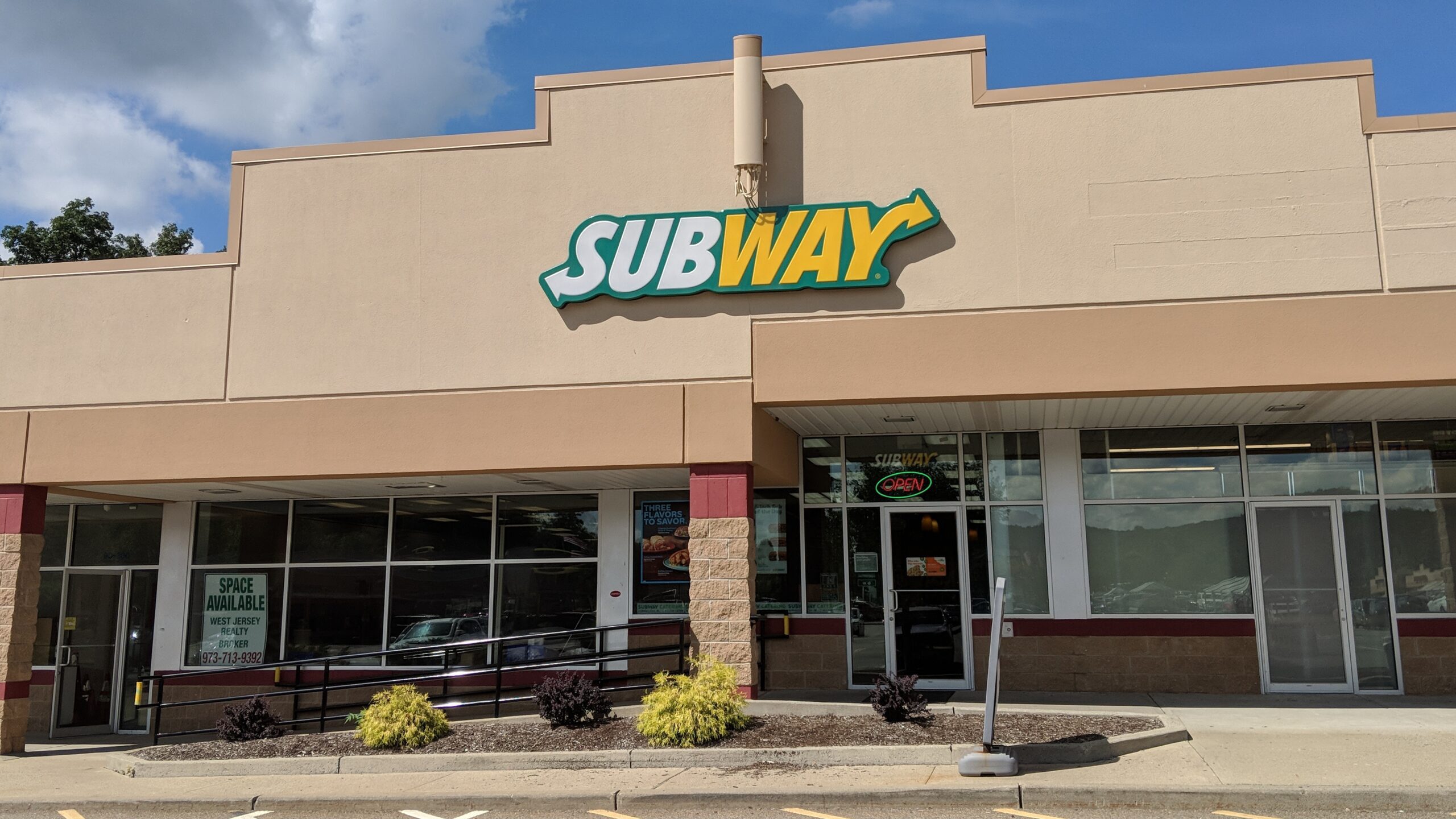
The operator behind 43 Subway sandwich shops across four states has landed in Chapter 11, a dramatic reversal for a franchisee that once looked like a regional success story. The bankruptcy of MTF Enterprises, which ran locations in Pennsylvania, New Hampshire, Maine and Virginia, exposes how quickly aggressive expansion and expensive short-term financing can turn a high-volume business into a distressed one.
Instead of a quiet restructuring behind the scenes, the case has put every one of those 43 stores under a cloud of uncertainty and turned a little-known franchisee into a cautionary tale. The collapse of this “Subway king” is not just about one operator’s missteps, it is a window into the pressures facing big-name fast-food brands and the franchisees who keep their lights on.
The rise of a 43-store Subway empire
MTF Enterprises did what many franchise owners dream of, scaling from a handful of outlets into a network of 43 units that stretched across multiple regions. Court filings describe MTF Enterprises as a major Subway operator with 43 stores in Maine, New Hampshire, Pennsylvania and Virginia, a footprint that gave it significant weight inside the brand’s system and made it a key employer in those communities. The company’s growth strategy relied on acquiring existing locations and opening new ones, including a store in Pennsylvania in 2017 that helped cement its presence in the Northeast corridor.
That expansion left MTF Enterprises deeply intertwined with the broader Subway ecosystem, from landlords and suppliers to the brand’s own corporate apparatus. The operator’s Chapter 11 petition lists substantial obligations tied to its 43 locations, including leases, vendor contracts and royalties owed back to Subway, all of which now hinge on the outcome of the restructuring. Reporting on the 43-location footprint and on the company’s role as a Major Subway franchisee underscores how far the business had climbed before its finances unraveled.
How the debt stack became unmanageable
Behind the scenes, the balance sheet that powered that growth was becoming increasingly fragile. MTF Enterprises has disclosed that it owes about $1.4 million to its largest secured creditor, a figure that sits alongside a broader debt load that includes between $1 million and $10 million in total liabilities. Those obligations are tied not only to traditional bank loans and equipment financing but also to a web of short-term funding arrangements that were layered on as the company tried to keep up with operating costs and capital needs across 43 stores.
The liabilities include $2.3 million owed to a primary lender and additional debts to landlords, tax authorities and trade creditors, all of which are now competing for repayment in Chapter 11. In its filings, MTF Enterprises has pointed to the structure of its financing agreements as a key factor driving the insolvency, arguing that the repayment terms left little room for error once sales softened or costs rose. Details of the $1.4 million secured claim and the broader liability range have been outlined in coverage of the 43-unit case and in analyses of why the liabilities became unsustainable.
The Merchant Cash Advance trap
At the center of the story is a financing tool that has become increasingly common among small and mid-sized businesses: the Merchant Cash Advance. An MCA is a financing option where a business receives a lump sum upfront and repays it with a percentage of future sales, often collected daily or weekly. On paper, that structure can look flexible, because payments rise and fall with revenue, but in practice the effective cost of capital can be extremely high and the constant withdrawals can choke cash flow, especially in a low-margin sector like quick-service restaurants.
MTF Enterprises leaned heavily on these Merchant Cash Advances as it tried to stabilize operations and service existing debt, according to analyses of the Subway Bankruptcy and. Those reports describe how Last year, MTF Enterprises layered multiple MCAs on top of one another, effectively pledging slices of the same future sales streams to different funders. As sales came in, a growing share was siphoned off automatically to repay the advances, leaving less cash to cover payroll, food costs and rent. Coverage of the case has also highlighted how Merchant cash advances from providers such as American Express and Stripe can quickly become unmanageable when layered across dozens of locations.
Pressure points inside the Subway system
The bankruptcy also reflects the broader strain inside the Subway brand as it tries to reinvent itself in a crowded fast-food market. Over the past decade, thousands of Subway locations have shuttered across the United States, a contraction that has left remaining operators juggling higher local marketing expectations, remodel requirements and competition from newer sandwich and salad chains. For a multi-unit operator like MTF Enterprises, those pressures were magnified by the need to keep 43 dining rooms staffed, supplied and compliant with brand standards at a time when labor costs and food inflation were rising.
Industry reporting has noted that MTF Enterprises, which operates 43 units in Pennsylvania and New Hampshire as well as Maine and Virginia, was already contending with traffic challenges that have affected many legacy quick-service brands. Analyses of Subway traffic trends suggest that while some refreshed stores and markets have stabilized, others remain volatile, making it harder for heavily leveraged operators to forecast cash flow. Coverage of the Chapter 11 filing has emphasized that MTF Enterprises itself cited its financing agreements as a key factor driving the insolvency, a point echoed in summaries of the Chapter case.
What happens next for 43 at-risk locations
For customers and employees, the most immediate question is what happens to the 43 locations now sitting inside a bankruptcy estate. Chapter 11 is designed to allow a business to keep operating while it restructures, and MTF Enterprises has signaled that it wants to use the process to renegotiate leases, refinance debt and potentially sell underperforming stores. That means many shops are likely to stay open in the short term, even as their long-term fate depends on whether the company can strike deals with creditors and, if necessary, find buyers for clusters of restaurants.
Consumer-focused coverage has framed the case as a beloved sandwich franchise filing for court protection with 43 locations at risk, underscoring the emotional connection many customers have to their neighborhood Subway. One report by Niti Majethia Lifestyle highlighted how the uncertainty is rippling through local communities that rely on these stores for affordable meals and entry-level jobs. Another account of the Beloved brand’s troubles stressed that the outcome will help determine whether these restaurants are remodeled and revived under new ownership or quietly added to the long list of Subway units that have shuttered over the past decade.
More From The Daily Overview
*This article was researched with the help of AI, with human editors creating the final content.

Grant Mercer covers market dynamics, business trends, and the economic forces driving growth across industries. His analysis connects macro movements with real-world implications for investors, entrepreneurs, and professionals. Through his work at The Daily Overview, Grant helps readers understand how markets function and where opportunities may emerge.

