Sweden’s largest commercial pension fund has quietly spent the past year unloading United States government debt, just as President Donald Trump uses the Davos stage to pressure Europe over trade and his push for control of Greenland. The timing is not perfect cause and effect, but it captures a moment when political theater and balance-sheet decisions are colliding in ways that could reshape how Europe finances Washington’s deficits. I see Sweden’s move and Trump’s Davos performance as two sides of the same story: allies testing the limits of a relationship built on both security guarantees and trillions of dollars in cross-border capital.
Sweden’s Alecta makes a dramatic exit from Treasurys
The Swedish pension fund Alecta has sold most of its holdings of United States Treasurys since early 2025, a sharp reversal after years of European investors piling into American debt. The fund, which manages retirement savings for Swedish workers, has described the shift as a response to concerns about poor United States government finances and the instability of the United States political climate, according to reporting on Alecta. Internal leadership, including head of asset management Pablo Bernengo, has been steering this repositioning for some time, with Swedish business outlet Dagens Industri cited as saying the sale “has been going on for a long time,” a detail reflected in coverage that highlights how According to Dagens the shift predates the latest Davos fireworks.
What makes Alecta’s move so striking is its scale and symbolism. The fund oversees roughly 1.6 trillion kronor, or about $143 billion, in assets, and has now disposed of the bulk of its United States Treasury bonds, a step confirmed in Swedish reports that describe the headquarters of the Alecta pension fund and note its roughly ($143 billion) portfolio. In interviews cited by international outlets, Alecta has framed the decision as a sober assessment of risk rather than a political gesture, but the optics are hard to ignore: as Trump warns Europe not to touch United States debt, one of the continent’s most conservative investors has already headed for the exit.
From quiet portfolio shift to political flashpoint
Alecta’s retreat from Treasurys did not happen in isolation. Earlier this week, the fund told reporters that it had been slowly selling off its United States Treasurys for about a year, explaining that it was worried about “poor [U.S.] government finances,” a concern detailed in coverage that notes how Alecta, a Swedish fund has lost confidence in Washington’s fiscal trajectory. Another report, written by Edith Olmsted, framed Alecta as the second major pension fund to dump United States Treasury holdings as Trump’s behavior unsettled markets, describing how, as Donald Trump delivered rambling remarks touting his new world vision, a second pension fund was exiting Treasurys, a sequence captured in a piece that opens, “Edith Olmsted” and goes on to link the sales to worries about United States government finances.
Data on cross-border flows show that this Swedish move comes after a year in which European buyers had actually increased their exposure to United States debt. One analysis notes that buyers in Europe piled into Treasurys in 2025, then highlights how this week the Swedish pension fund Alecta announced it had sold most of its United States Treasury holdings over the last year, while Denmark has also been reassessing its exposure, a trend summarized in a piece that describes how buyers in Europe shifted from accumulation to caution. Another report on Davos developments underscores that, on Wednesday, Swedish pension fund Alecta said it sold the bulk of its United States Treasury bonds over the past year, explicitly tying the move to poor United States government finances, a link spelled out in coverage that notes how On Wednesday, Swedish investors signaled their discomfort. What began as a technical portfolio adjustment has now become a reference point in a broader debate over whether Europe should use its creditor status as leverage against Washington.
Trump’s Davos stagecraft and the Greenland obsession
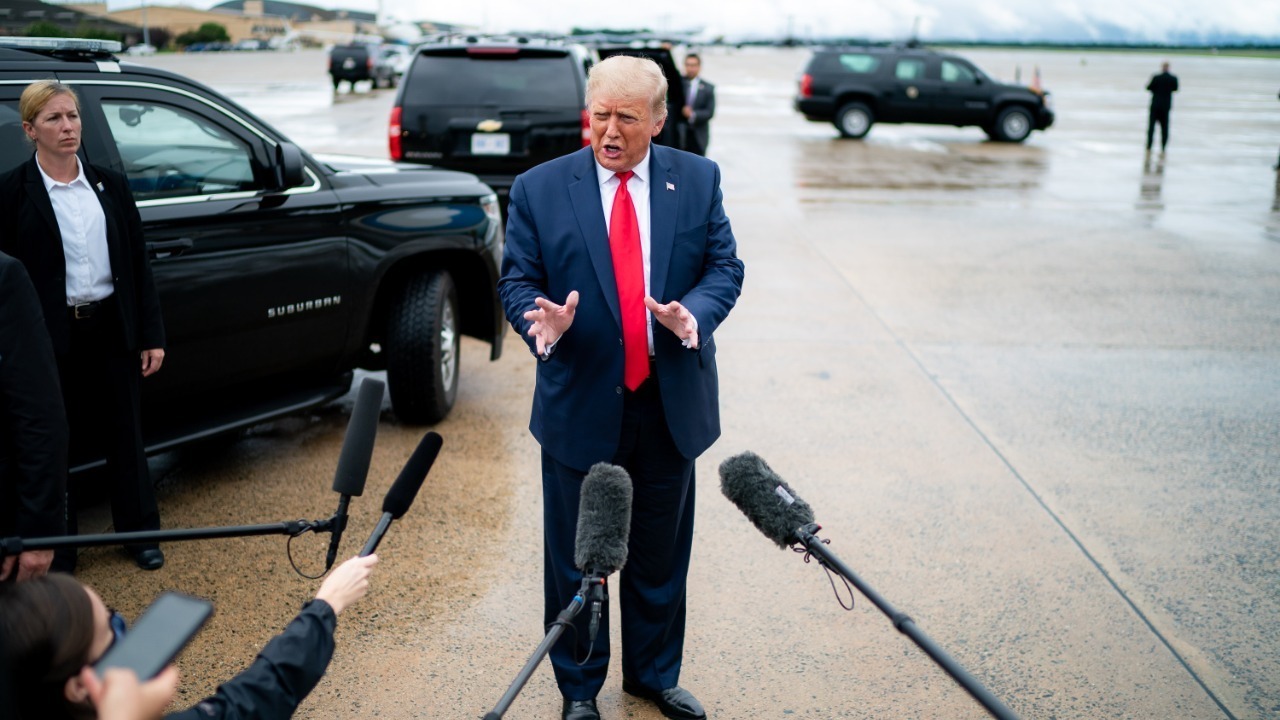
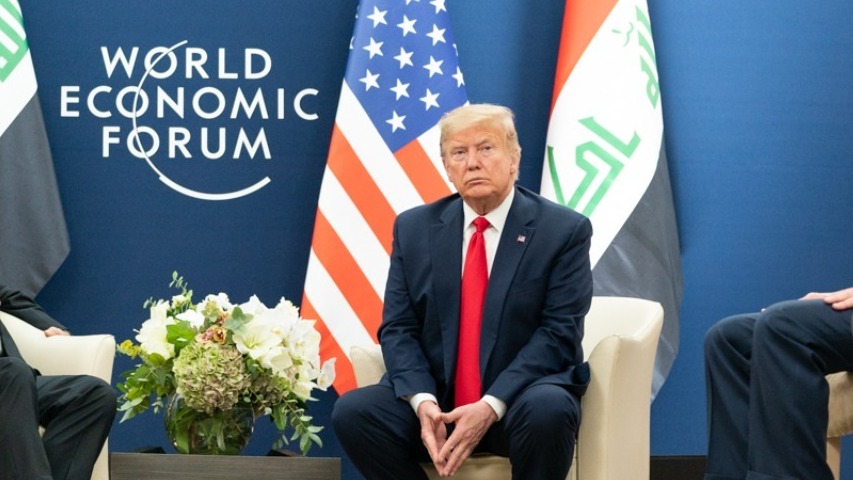
While Swedish money managers were trimming their exposure, Trump was in Davos turning a long-running fixation with Greenland into a central plank of his foreign policy message. In a keynote address, he reiterated that he wants United States control of Greenland but insisted, “I won’t use force” to obtain it, a line that stood out in coverage of the Key takeaways from his Davos speech. Another detailed account described how the speech encapsulated a vision of the world where cooperation is secondary to self-interest, with Trump’s Greenland push framed as part of a broader strategy that includes tariffs and pressure on allies, a perspective laid out in a piece that notes, in Jan, that the address at Davos captured a worldview in which self-interest dominates and mentions officials leading the Greenland framework negotiations.
Trump’s rhetoric has not been limited to the podium. In Davos live updates, he threatened “big retaliation” if Europe sold United States debt, warning that peace “only goes so far” and hinting at new tariffs if European governments or funds used their creditor position as a political weapon, a warning captured in coverage that notes how Trump threatens retaliation if Europe sold United States debt. At the same time, several European countries have welcomed President Donald Trump’s announcement that he would suspend threatened tariffs on a number of their exports, even as they remain wary of his ambition to annex the Arctic island, a tension described in reporting that notes how Several European governments are trying to balance relief on tariffs with alarm over his Greenland plans. Trump’s insistence that he will not use force does little to calm fears that economic coercion, including threats over debt holdings, is very much on the table.
Markets react as geopolitics hits the tape
Investors have been quick to translate this mix of fiscal anxiety and geopolitical brinkmanship into sell orders. One widely shared market snapshot noted that the S&P 500 shed about 2%, wiping out over $1.1 trillion in market value, while the tech-heavy Nasdaq dropped 2.24% and the Dow Jones also fell as traders digested Trump’s latest retreat from a trade war and the realization that geopolitics had “just turned into tariffs,” a sequence captured in a post that highlighted how the S&P 500 and Nasdaq were hit. Another viral summary put it more bluntly, saying global investors dumped United States stocks and bonds as they feared President Trump intensifying his push to control Greenland, warning that “America is selling at a discount” as capital fled, a mood captured in a post that opened with “Global investors dumped United States stocks and bonds today” and tied the move directly to President Trump’s Global Greenland push.
Behind the headlines, United States officials are trying to prevent a broader European exodus from Treasurys. The US Treasury Secretary Scott Bessent has urged European countries not to retaliate against Trump’s Greenland tariffs by selling United States debt, warning that such a move would risk a damaging escalation between allies, a plea described in coverage that notes how The US official tried to calm tensions. In a separate interview, Bessent said that Europe dumping United States debt over Greenland would “defy logic,” pointing out that United States Treasurys are still heavily owned by foreigners, led by Japan, and arguing that selling those assets would pull the rug from under United States markets, a warning detailed in a piece that quotes Bessent says Europe dumping United States debt would defy logic. Another report on the same theme notes that “Selling those assets would pull the rug from under US markets,” and recounts how, when asked at the Davos World Economic Forum whether Europe might retaliate over Greenland, Bessent tried to draw a line between political disputes and financial stability, a stance summarized in coverage that quotes him saying “Selling those assets would pull” the rug from under markets and situates the remarks at the Davos World Economic.
More From TheDailyOverview
*This article was researched with the help of AI, with human editors creating the final content.

Grant Mercer covers market dynamics, business trends, and the economic forces driving growth across industries. His analysis connects macro movements with real-world implications for investors, entrepreneurs, and professionals. Through his work at The Daily Overview, Grant helps readers understand how markets function and where opportunities may emerge.