
Flipping items can be a lucrative venture, but beginners often stumble over common pitfalls. Success in flipping requires more than just buying low and selling high; it demands a strategic approach that considers market dynamics, costs, and customer preferences. Understanding these frequent mistakes can provide a roadmap to avoid costly errors and maximize profits.
Overestimating Product Value

One of the most common mistakes is overestimating the value of a product. It’s easy to get excited about a potential find, but emotional attachment can cloud judgment. Many beginners assume that rarity equals value, which is not always the case. For instance, a vintage toy might seem priceless, but without demand, it’s just another shelf item.
To avoid this, I recommend leveraging online tools like eBay’s completed listings or reaching out to online communities. Sites like Reddit’s flipping community can provide insights into what similar products have actually sold for, rather than what sellers are asking.
Ignoring Market Trends
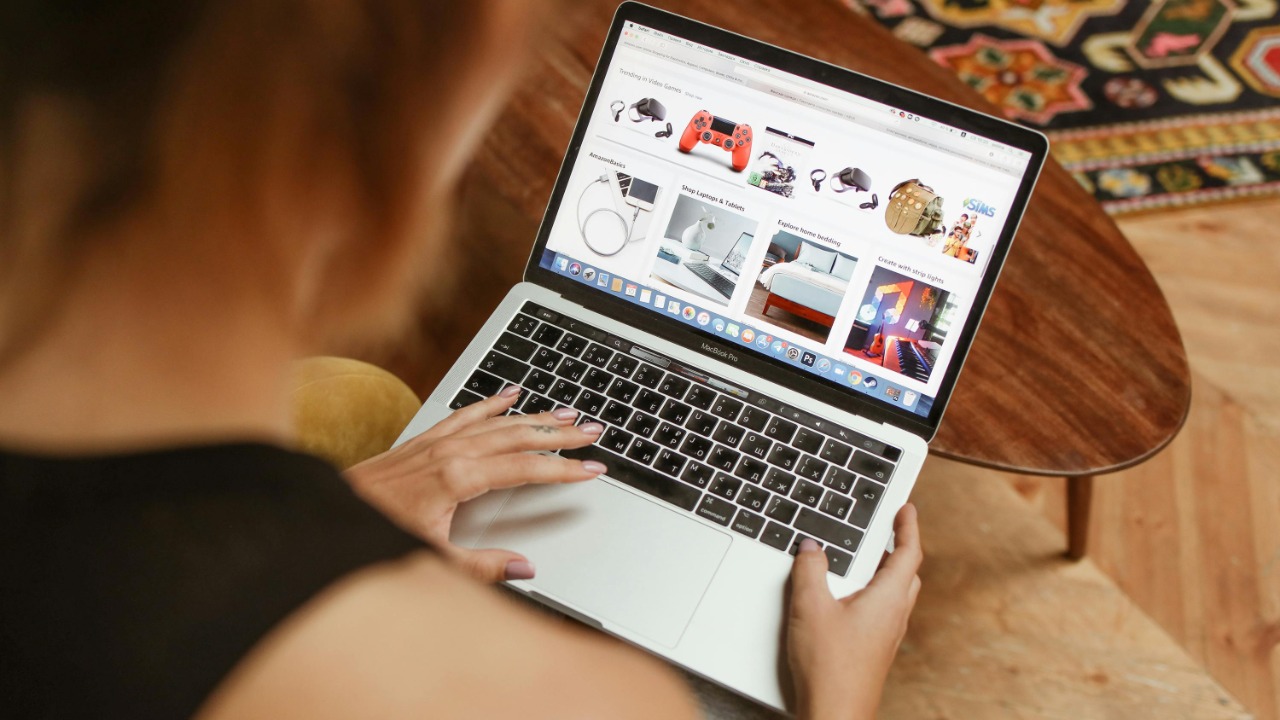
Keeping an eye on market trends is essential for any flipper. Markets are dynamic, and what’s hot today might be cold tomorrow. For example, during the pandemic, there was a surge in demand for home office furniture, but as the situation stabilized, demand dropped.
I suggest subscribing to newsletters or using tools like Google Trends to stay updated. Understanding these fluctuations can help you time your buys and sells effectively, ensuring that you’re not left holding inventory that’s no longer in demand.
Skipping Thorough Research

Research is the backbone of successful flipping. Skipping this step can lead to purchasing items that are hard to sell or not worth the investment. For instance, buying a collection of vinyl records without knowing their demand or condition can result in a loss.
Make it a habit to research thoroughly before making a purchase. Utilize resources like academic studies and online marketplaces to gather as much information as possible about the items you’re interested in flipping.
Neglecting Quality Control

Quality control is often overlooked by beginners eager to make a quick sale. Selling items with undisclosed flaws can harm your reputation and lead to returns. Whether it’s a piece of furniture or electronics, ensuring the product is in working order and accurately described is crucial.
I recommend setting up a checklist to assess the condition of each item you purchase. This proactive approach can prevent negative feedback and build trust with buyers, fostering long-term success.
Underestimating Shipping Costs

Shipping costs can significantly impact profit margins, especially when selling online. Many beginners fail to account for these expenses, leading to unexpected losses. For instance, a heavy item like a vintage typewriter may sell for a decent price, but shipping costs could eat into profits.
Always calculate shipping costs before listing items. Use online calculators from major couriers to get accurate estimates, and consider offering local pickup as an alternative to save on costs.
Failing to Set a Budget

Without a clear budget, it’s easy to overspend. Beginners often purchase items impulsively, assuming they’ll sell quickly for a profit. This lack of financial planning can quickly lead to a pile of unsold inventory and depleted funds.
I suggest setting a strict budget for each purchase and sticking to it. This discipline will ensure you only invest in items with a high probability of selling, maintaining a healthy cash flow for future opportunities.
Overlooking Customer Feedback

Customer feedback is a goldmine of information that can guide your flipping strategy. Ignoring it can lead to missed opportunities for improvement and growth. For example, consistently receiving feedback about slow shipping might indicate a need to streamline your logistics process.
Regularly review feedback and use it to refine your approach. Engaging with customers and addressing their concerns can enhance your reputation and lead to repeat business.
Ignoring Legal Regulations

Legal regulations vary by location and product type, and ignoring them can lead to fines or legal issues. Whether it’s taxes, safety standards, or import restrictions, understanding the legal landscape is crucial.
Consult resources like legal guides or seek professional advice to ensure compliance. This foresight can prevent costly errors and protect your business in the long run.
Poor Time Management

Flipping can be time-consuming, and without proper time management, tasks can quickly pile up. From sourcing products to handling customer service, inefficiencies can lead to stress and reduced productivity.
Implementing tools like task managers can help prioritize and streamline your workflow. Scheduling specific times for different tasks ensures that nothing falls through the cracks, allowing you to maintain a steady pace and focus on growth.
Inadequate Marketing Strategies

Effective marketing is essential for reaching potential buyers. Beginners often rely solely on listing sites, missing out on broader audience engagement. For instance, social media platforms can be powerful tools for showcasing products and attracting interest.
Consider diversifying your approach by utilizing social media, online forums, and local events. This multifaceted strategy can increase visibility and drive sales, setting you apart from competitors who rely on traditional methods.
Not Building a Brand

Building a brand is more than just creating a logo; it’s about establishing a reputation and a loyal customer base. Beginners often neglect this aspect, treating each sale as a one-off transaction rather than an opportunity to build relationships.
Developing a consistent brand identity and engaging with your audience can foster trust and encourage repeat business. This approach not only enhances credibility but also differentiates you in a crowded marketplace.
Lack of Patience and Persistence

Success in flipping doesn’t happen overnight. Many beginners give up too soon, discouraged by initial setbacks or slow sales. However, persistence is key to overcoming these challenges and achieving long-term success.
Approach flipping with a mindset of patience and continuous improvement. Learn from each experience and adapt your strategy. With time and dedication, you’ll likely see your efforts pay off, transforming initial struggles into valuable lessons.

Elias Broderick specializes in residential and commercial real estate, with a focus on market cycles, property fundamentals, and investment strategy. His writing translates complex housing and development trends into clear insights for both new and experienced investors. At The Daily Overview, Elias explores how real estate fits into long-term wealth planning.

