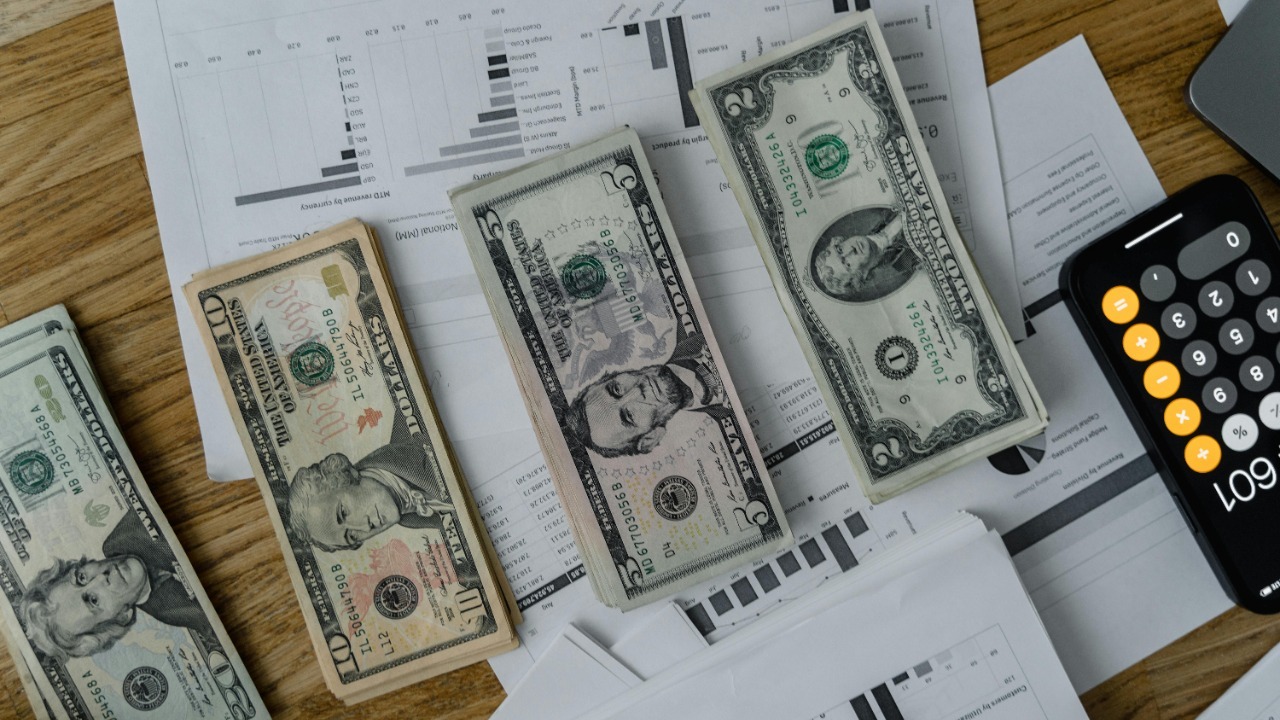
The hypothetical scenario of the US dollar dropping in value by 50% raises significant concerns for the global economy, national financial stability, and individual livelihoods. Such a drastic devaluation could have far-reaching consequences, affecting everything from international trade to domestic purchasing power. This scenario explores the potential impacts and implications, drawing insights from economic research and expert opinions.
Economic Impact on the Global Stage
International Trade Dynamics
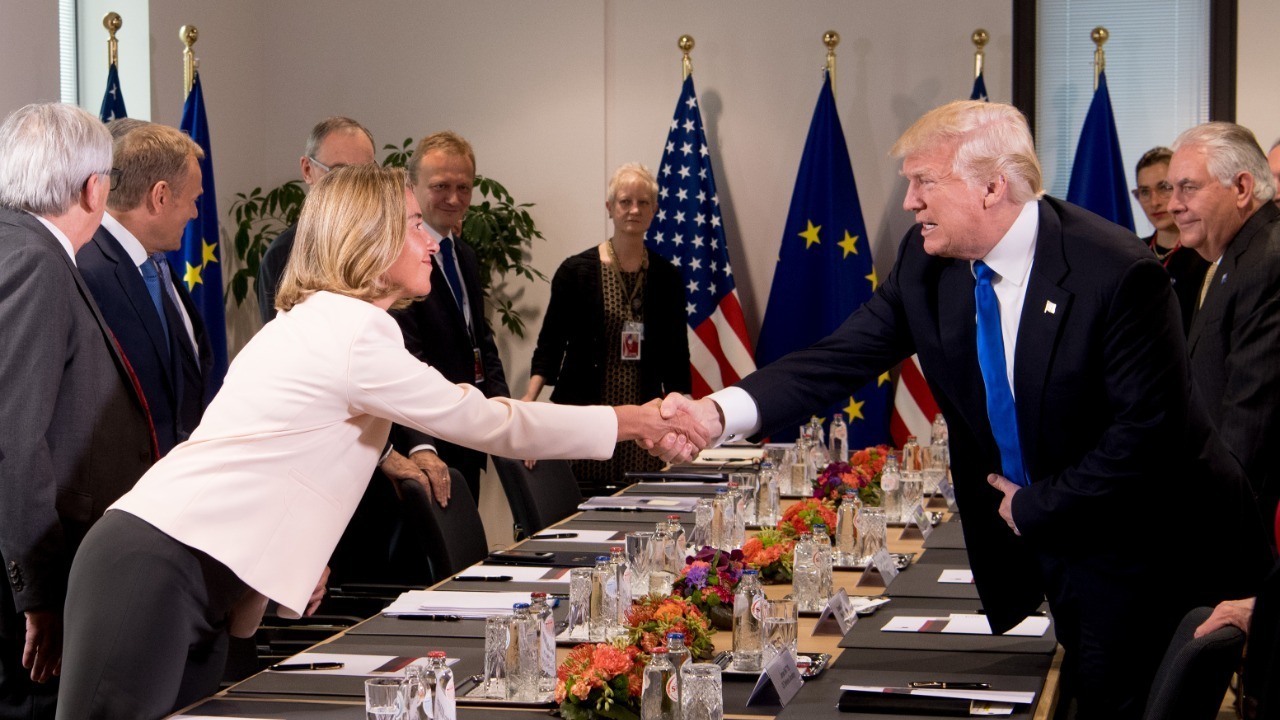
If the US dollar were to lose half its value, the immediate effect would be a shift in international trade dynamics. The United States, as one of the largest importers globally, would face increased costs for goods and services from abroad. This could lead to a deterioration in the trade balance as imports become more expensive and exports become cheaper for foreign buyers. Countries that rely heavily on exporting to the US might see a temporary boost in demand, but the overall economic stability would be uncertain, with potential retaliatory trade measures from affected nations.
In terms of global economic power, the devaluation might accelerate the shift towards a more multipolar world. Countries such as China and the European Union might gain increased influence as their currencies strengthen relative to the dollar. This could lead to a realignment of economic alliances and power structures, potentially diminishing the US’s role as the dominant economic force. The changes in trade balances and economic power could also spur countries to diversify their trading partners and reduce reliance on the US market.
Foreign Exchange Markets
The foreign exchange markets would likely experience significant volatility in the wake of a dollar devaluation. Currencies pegged to the dollar, such as those in some Middle Eastern countries, would face pressure to re-evaluate their exchange rate mechanisms. Central banks around the world might intervene to stabilize their currencies, either through direct market operations or by adjusting interest rates. The uncertainty could lead to a flight to perceived safe-haven assets, such as gold or the Swiss franc.
In the long term, countries might reassess their currency reserves, reducing their reliance on the US dollar and increasing holdings in other currencies like the euro or the Chinese yuan. This shift could have profound implications for global financial markets, potentially leading to a new era of currency competition and collaboration. The interconnected nature of global markets means that any major change in the value of the dollar would have ripple effects, impacting everything from global trade agreements to international investment flows.
Consequences for the US Economy
Inflation and Interest Rates
Domestically, a 50% drop in the dollar’s value would likely lead to significant inflation as import prices surge. Products that rely heavily on imported materials, such as electronics and automobiles, would see their prices rise sharply. In response, the Federal Reserve might be compelled to increase interest rates to curb inflationary pressures. Such monetary policy adjustments could slow economic growth, as higher borrowing costs dampen consumer spending and business investment.
However, the Federal Reserve would face a delicate balancing act. Raising interest rates too quickly could stifle economic growth and exacerbate unemployment, while a more cautious approach might allow inflation to erode purchasing power further. The challenge would be to find a policy mix that stabilizes prices without triggering a recession, a task made more difficult by the interconnected nature of global markets and the potential for external shocks.
Domestic Industries and Employment
Industries that rely heavily on imports, such as manufacturing and retail, would be particularly vulnerable to a weaker dollar. Companies might face higher production costs, leading to either reduced profit margins or increased consumer prices. This could result in a slowdown in economic activity, with potential job losses in affected sectors. The uncertainty surrounding the devaluation might also lead to reduced consumer confidence, further dampening economic growth.
On the employment front, wage stagnation could become a significant issue as businesses grapple with higher input costs and uncertain demand. Workers in industries most affected by import price increases might see reduced hours or even layoffs. On the other hand, exporters might benefit from increased demand for their goods, potentially offsetting some of the negative employment impacts. The overall effect on the job market would depend on the ability of the economy to adapt to the new exchange rate environment and the speed with which businesses and workers can adjust to the changing economic landscape.
Impact on American Households

Purchasing Power and Living Costs
A devalued dollar would erode purchasing power, leading to increased living costs for American households. Everyday essentials such as groceries, fuel, and healthcare could see price hikes, straining household budgets. The resulting squeeze on disposable income might alter consumer spending habits, with households prioritizing essential purchases over discretionary spending.
As living costs rise, savings rates might decline as families struggle to maintain their standard of living. The increase in prices could also lead to changes in consumer behavior, with a shift towards more cost-effective alternatives or reduced consumption altogether. These changes might have broader economic implications, as reduced consumer spending could slow economic growth and lead to further job losses in sectors dependent on discretionary spending.
Debt and Savings
The implications for household debt levels would be significant, particularly for those with fixed-rate loans. While these loans would become easier to service in nominal terms, rising inflation could erode real income, making it harder to meet monthly obligations. On the savings front, the value of retirement accounts and investment portfolios could be affected by changes in interest rates and market volatility.
The potential for increased inflation and interest rates could also impact investment strategies, with savers seeking higher returns to offset the erosion of purchasing power. Diversification across asset classes and geographic regions might become more important as households look to protect their wealth in an uncertain economic environment. Additionally, the devaluation might prompt a reevaluation of financial goals and strategies, with individuals and families prioritizing resilience and adaptability in the face of economic uncertainty.
Global Reactions and Long-term Implications

International Economic Policies
In response to a significant devaluation of the US dollar, foreign governments and international organizations might implement policies to stabilize global markets. These measures could include coordinated interventions in currency markets, adjustments to interest rates, and changes in trade policies. The goal would be to manage the economic fallout and prevent a cascade of negative effects across the global economy.
The situation might also lead to new economic alliances or shifts in existing trade agreements. Countries might seek to strengthen regional partnerships to reduce reliance on the US market and diversify their economic relationships. Such shifts could have long-term implications for global trade patterns and economic growth, potentially leading to a more fragmented international economic landscape.
Future of the US Dollar as a Reserve Currency
The prospect of the US dollar losing its status as the world’s primary reserve currency would have profound implications for global financial systems. A significant devaluation might prompt central banks to diversify their reserves, reducing their reliance on the dollar and increasing holdings of other currencies. This shift could lead to a reordering of global financial power, with potential repercussions for the US’s economic influence.
The long-term implications for the US economy would depend on the ability of policymakers to restore confidence in the dollar and stabilize the currency. The challenge would be to navigate the complexities of a changing global financial landscape while maintaining the country’s economic stability and influence. The future of the US dollar as a reserve currency would hinge on the strength of the US economy and the effectiveness of government and institutional responses to the crisis.
Strategies for Mitigation and Adaptation
Government and Institutional Responses
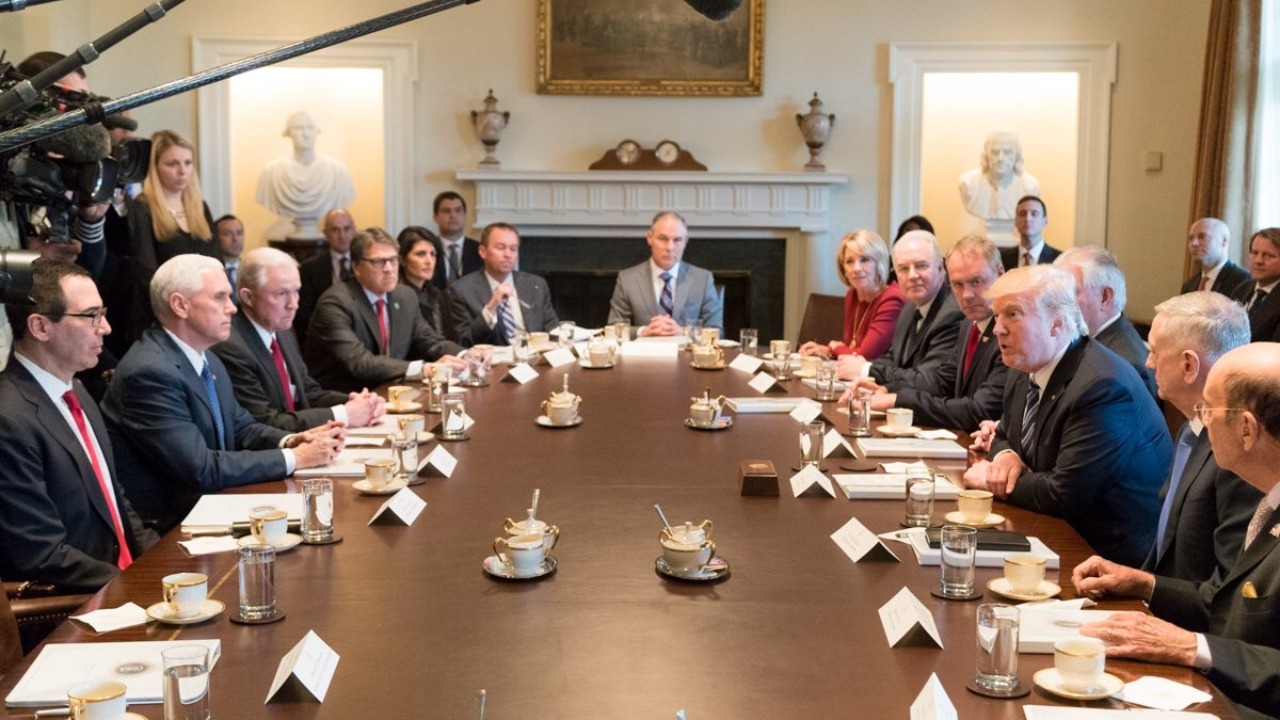
To mitigate the economic fallout of a significant dollar devaluation, the US government and financial institutions would need to implement a range of stabilization measures. These might include fiscal stimulus packages, monetary policy adjustments, and regulatory changes to support affected industries and households. International cooperation would also be crucial, with countries working together to manage the crisis and prevent a global economic downturn.
In addition to immediate stabilization efforts, long-term strategies would be needed to address the underlying causes of the devaluation and strengthen the resilience of the US economy. This might involve investments in infrastructure, education, and technology to boost productivity and competitiveness. The ability of the US to adapt to a changing global economic landscape would be key to maintaining its economic stability and influence.
Individual and Business Strategies
For individuals and businesses, adapting to a weaker dollar would require proactive financial planning and risk management. Diversification across asset classes and geographic regions could help protect assets from currency fluctuations and market volatility. Businesses might also need to reassess their supply chains and explore opportunities for cost savings and efficiency improvements.
For households, strategies might include increasing savings to build a financial cushion, reducing debt to improve financial flexibility, and exploring investment opportunities that offer protection against inflation. The importance of financial literacy and planning would be paramount, as families navigate the challenges of a changing economic environment. By taking proactive steps to manage risks and adapt to new realities, individuals and businesses can build resilience and better position themselves for future uncertainties.

Grant Mercer covers market dynamics, business trends, and the economic forces driving growth across industries. His analysis connects macro movements with real-world implications for investors, entrepreneurs, and professionals. Through his work at The Daily Overview, Grant helps readers understand how markets function and where opportunities may emerge.

