
With SUVs dominating the automotive market, many buyers are drawn to these versatile vehicles for their promise of adventure and practicality. However, a growing number of SUV owners are taking to social media platforms to express their regret, highlighting unforeseen drawbacks and disappointments. This article delves into the common regrets shared by SUV owners and the reasons behind their dissatisfaction.
The Allure of SUVs: Expectations vs. Reality
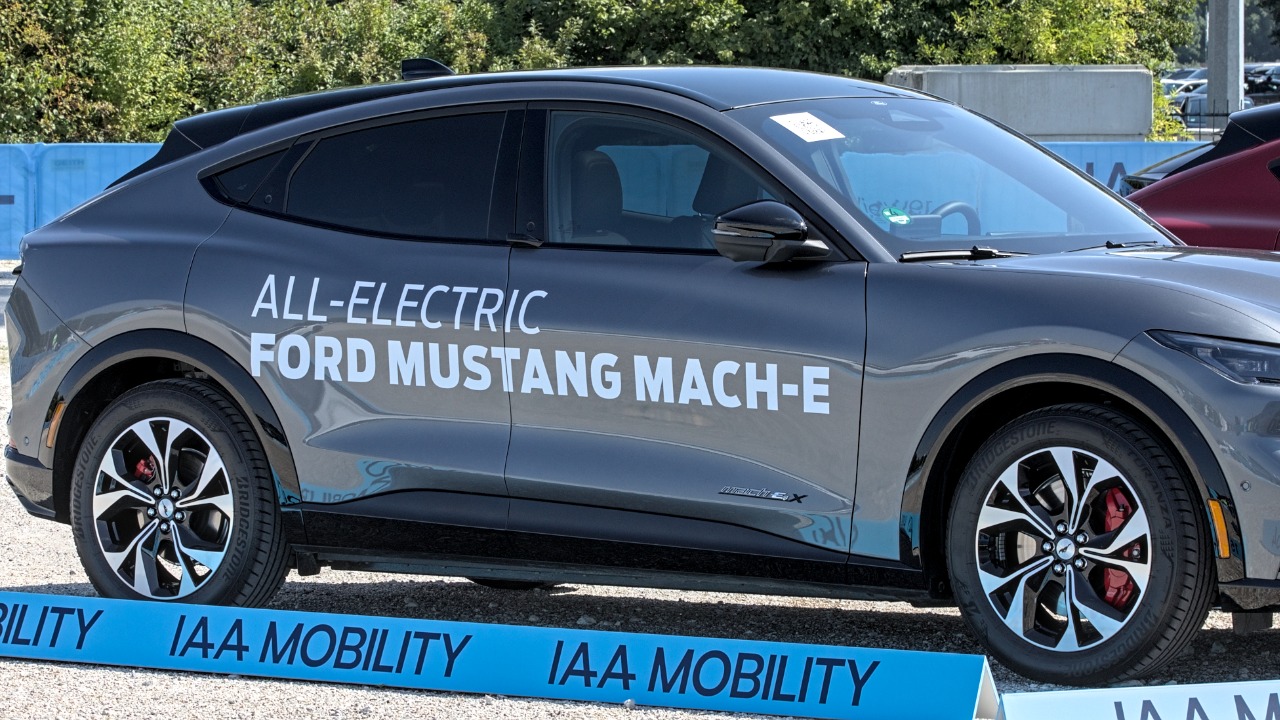
In recent years, SUVs have been marketed as the ultimate symbol of freedom and versatility. Advertisements often showcase these vehicles navigating rugged terrains and offering ample space for families and gear. Models like the Jeep Cherokee and Toyota Highlander are often portrayed as the ideal companions for those who love to explore the great outdoors. This marketing narrative has captivated many consumers, who are drawn to the perceived adventure and practicality that an SUV promises.
However, the real-world application of owning an SUV often presents a stark contrast. While the allure of space and adventure is strong, many find that their daily driving needs don’t align with the adventurous image advertised. For instance, the bulk and size that promise ample space also become cumbersome during regular urban commutes. The reality check hits hard when these vehicles are used for everyday tasks, such as grocery runs or school drop-offs, where maneuverability and fuel efficiency become more critical.
Common Regrets and Issues Owners Face
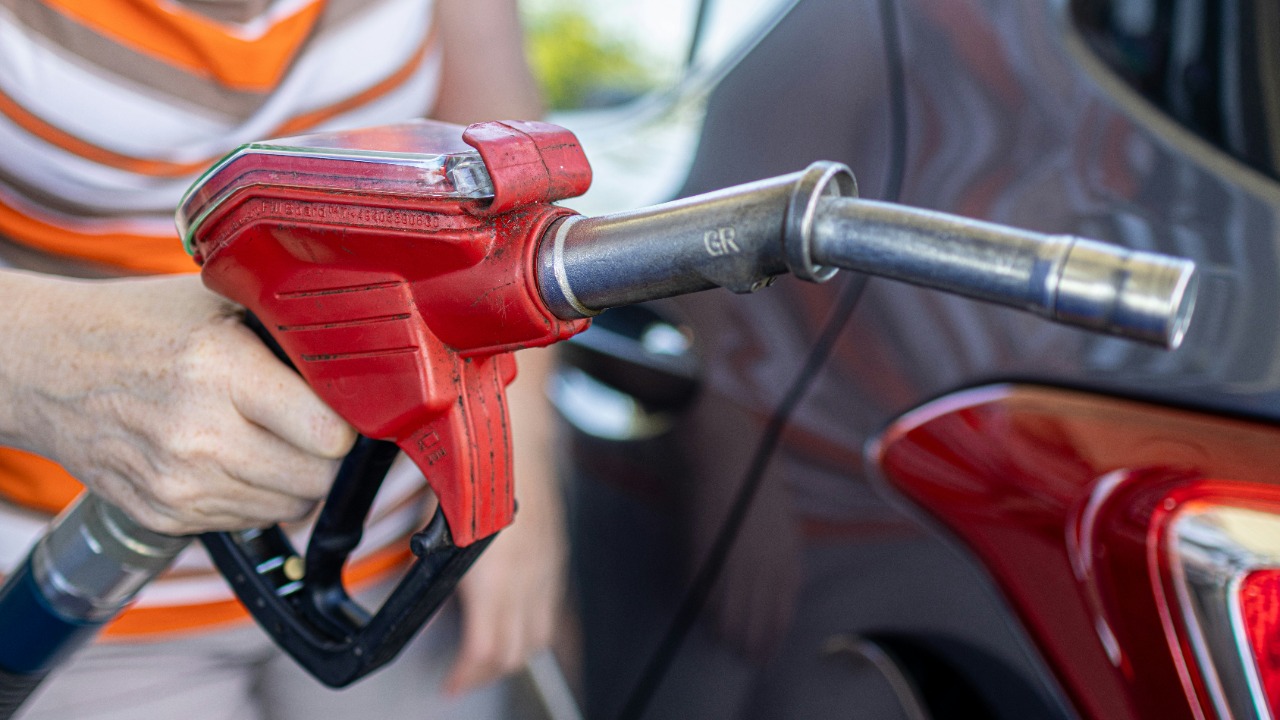
One of the most common complaints among SUV owners is the unexpected fuel costs associated with these vehicles. While larger SUVs like the Ford Expedition and Chevrolet Tahoe offer impressive power, they also come with gas-guzzling engines that can lead to frequent and costly trips to the pump. Owners often find themselves unprepared for the financial impact of maintaining a vehicle with such high fuel consumption.
Beyond fuel efficiency, the maintenance and repair costs of SUVs can also be a significant burden. Components such as larger tires and specialized parts for all-wheel drive systems often come with higher price tags than those for smaller vehicles. Owners of models like the BMW X5 have reported unexpected expenses when it comes to routine maintenance and repairs, leading to a sense of regret over their initial purchase decision.
Furthermore, maneuverability challenges in urban environments add another layer of complexity. Parking an SUV in tight city spaces can be a daunting task, leading to frustration and inconvenience. Vehicles like the Nissan Armada, known for their size, may serve well for road trips but prove to be less practical when navigating crowded urban streets or parking garages.
Environmental Impact and Ethical Concerns

The environmental implications of owning an SUV are also a growing concern for many consumers. These vehicles contribute significantly to carbon emissions, exacerbating environmental degradation. As awareness of climate change increases, more buyers are reconsidering the environmental footprint of their vehicle choices.
Choosing a larger vehicle often poses an ethical dilemma for environmentally conscious consumers. The decision to drive an SUV, with its higher emissions and fuel consumption, can conflict with personal values of sustainability and social responsibility. As discussions around climate change intensify, some owners find themselves questioning the ethics of their vehicle choice, leading to feelings of guilt and regret.
Changing perceptions around environmental issues are influencing car-buying decisions, with more consumers seeking eco-friendly alternatives. The rise of hybrid and electric SUVs, such as the Tesla Model Y and Toyota RAV4 Hybrid, reflects a shift towards reducing environmental impact while maintaining the practicality that SUVs offer.
Community Voices: Stories from Regretful Owners

Many SUV owners are turning to social media platforms to share their experiences and regrets. Platforms like Reddit provide a space for these individuals to voice their concerns and connect with others in similar situations. Personal anecdotes reveal a range of challenges, from unexpected costs to practical limitations, that have led to buyer’s remorse.
These stories often highlight the power of hindsight, with many owners wishing they had conducted more thorough research before making their purchase. Common themes include underestimating ongoing expenses and overestimating the need for a vehicle of such size. As these narratives gain traction online, they serve as cautionary tales for potential buyers, influencing future decision-making processes.
Online communities play a pivotal role in shaping consumer perceptions and guiding decisions. By sharing their experiences, regretful SUV owners are not only finding solidarity but also helping others avoid similar pitfalls. This collective wisdom is gradually reshaping the automotive landscape, encouraging more informed and conscientious choices.
Alternatives to Consider: Making a More Informed Choice

For those still drawn to the idea of an SUV, there are alternatives that balance size with practicality. Compact SUVs and crossovers like the Honda CR-V and Mazda CX-5 offer the benefits of an SUV with fewer drawbacks. These vehicles provide sufficient space and versatility while being more manageable in urban settings and offering better fuel efficiency.
Hybrid and electric options are also gaining popularity as eco-conscious consumers seek to minimize their environmental impact. Vehicles like the Ford Escape Hybrid and Kia Sorento Plug-In Hybrid offer a sustainable alternative without compromising on performance or practicality. As technology advances, these options are becoming increasingly viable for a wider audience.
Ultimately, the key to avoiding SUV regret lies in aligning vehicle choice with personal lifestyle needs. Prospective buyers should carefully consider their daily driving patterns, environmental values, and budgetary constraints before making a decision. By doing so, they can ensure their choice is well-suited to their requirements, reducing the likelihood of future dissatisfaction.

Cole Whitaker focuses on the fundamentals of money management, helping readers make smarter decisions around income, spending, saving, and long-term financial stability. His writing emphasizes clarity, discipline, and practical systems that work in real life. At The Daily Overview, Cole breaks down personal finance topics into straightforward guidance readers can apply immediately.

