Neglecting the finer details in home preparation can lead to a less-than-ideal appraisal, potentially affecting your property’s market value. While some factors might seem trivial, they can significantly impact an appraiser’s perception, and consequently, the final report. Knowing what common mistakes to avoid can make all the difference in showcasing your home in the best possible light.
Neglecting Basic Maintenance
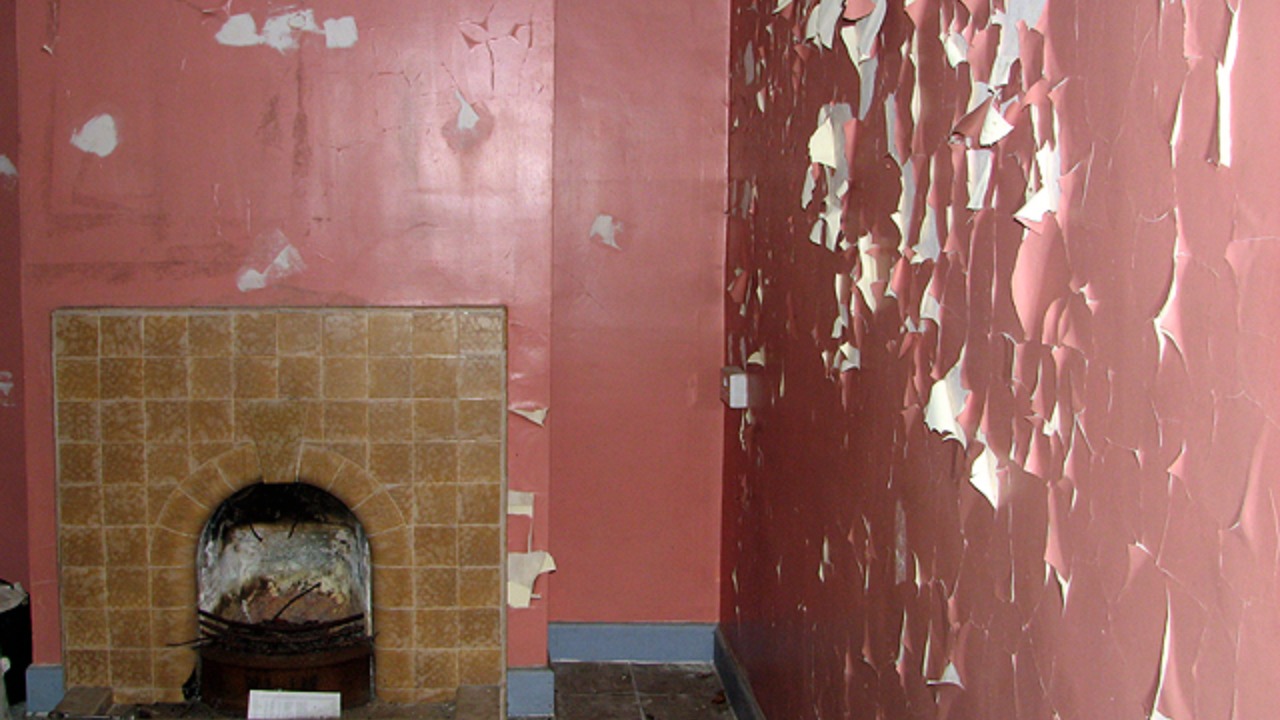
One of the most common mistakes homeowners make is neglecting basic maintenance tasks. Items that need repair, like leaky faucets or peeling paint, can add up quickly in an appraiser’s eyes, affecting the overall valuation. Keeping up with routine maintenance not only ensures your home looks its best but also prevents small issues from escalating into larger, more costly problems.
Simple fixes, such as replacing broken light fixtures or fixing door hinges, can go a long way. Regular maintenance shows the appraiser that the property has been well cared for, which can positively influence their assessment.
Ignoring Curb Appeal
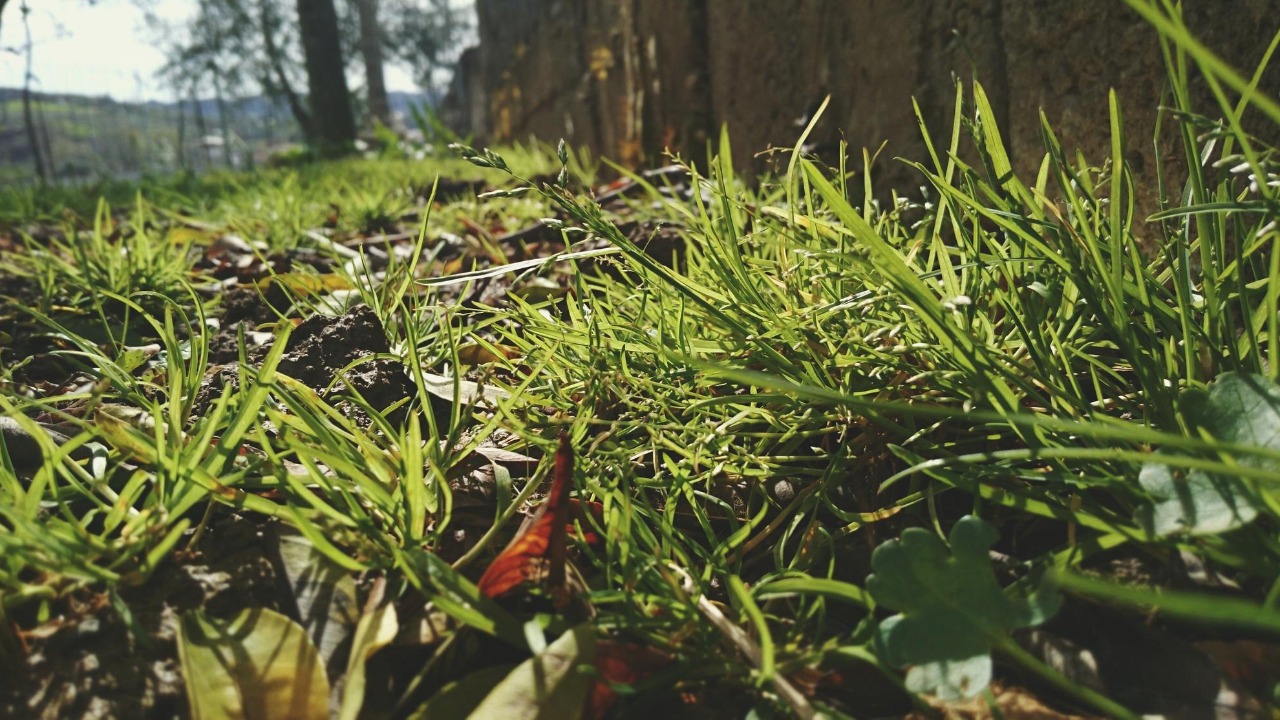
Curb appeal is your home’s first impression, and it’s crucial not to underestimate its impact. An overgrown lawn or cluttered driveway can signal neglect to an appraiser. Trimming bushes, mowing the lawn, and adding a few plants can transform your home’s exterior and make a positive impression.
Consider repainting the front door or adding new house numbers for an inexpensive refresh. These small changes can significantly enhance your home’s appearance and set a positive tone for the rest of the appraisal process.
Overlooking Clutter and Cleanliness
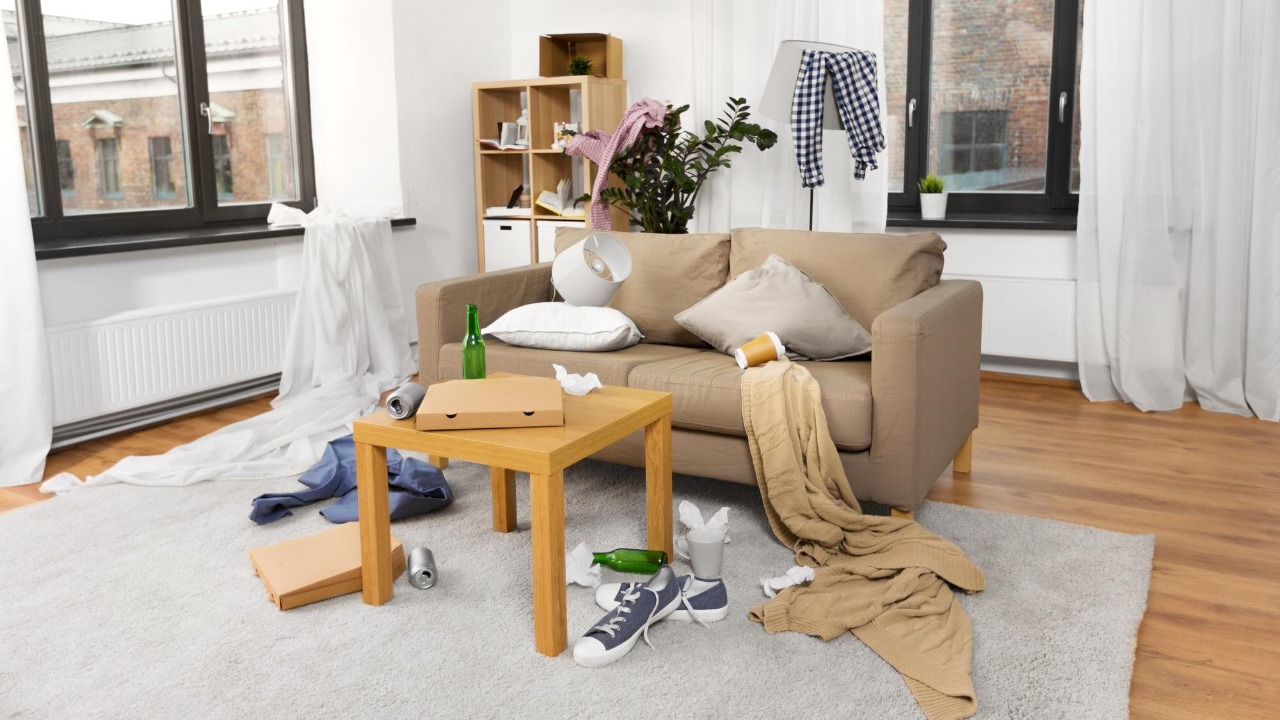
A cluttered or dirty home can be distracting during an appraisal. It’s important to clean and organize each room to allow the appraiser to focus on the home’s features rather than its mess. This means tidying up surfaces, vacuuming floors, and ensuring that all areas are presentable.
Additionally, decluttering can make your home feel more spacious and inviting. Consider storing excess items in boxes or utilizing storage solutions to keep your home tidy.
Failing to Highlight Upgrades
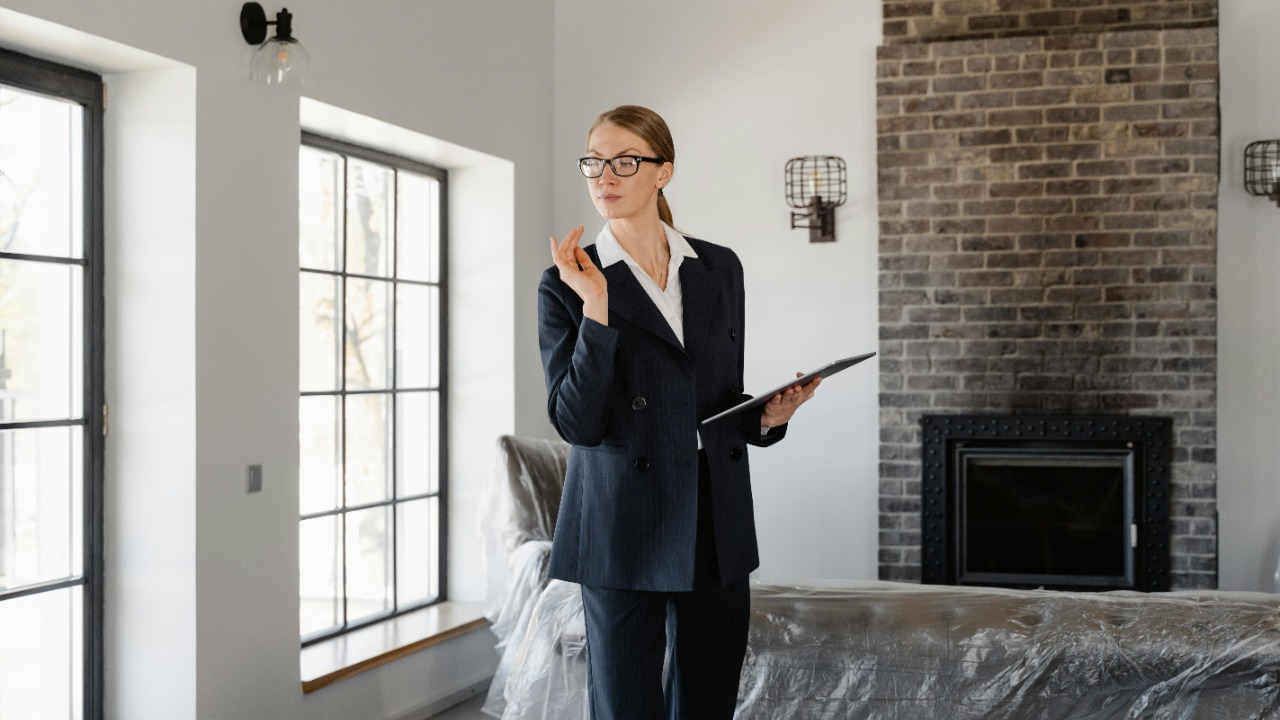
If you’ve made upgrades to your home, such as a new kitchen or updated bathroom, make sure to highlight these to the appraiser. Providing a list of improvements, along with receipts if available, can help the appraiser accurately assess your home’s value.
Upgrades can include anything from energy-efficient windows to a new HVAC system. These improvements not only make your home more appealing but also increase its market value.
Omitting Important Documentation
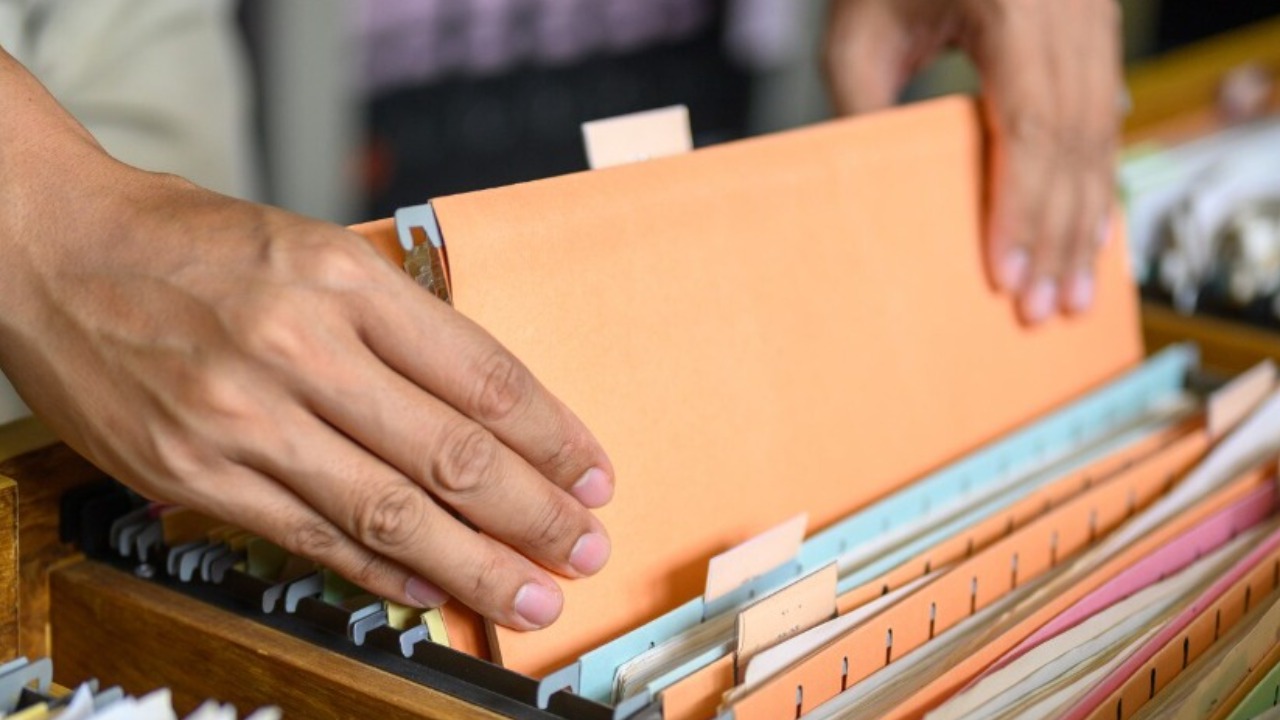
Having all necessary documentation ready for the appraiser can streamline the process and ensure nothing is overlooked. This includes permits for renovations, proof of repairs, and any other relevant paperwork.
Organize these documents in a folder to present to the appraiser. This step can provide clarity and help avoid any potential discrepancies in the appraisal report.
Underestimating Minor Repairs
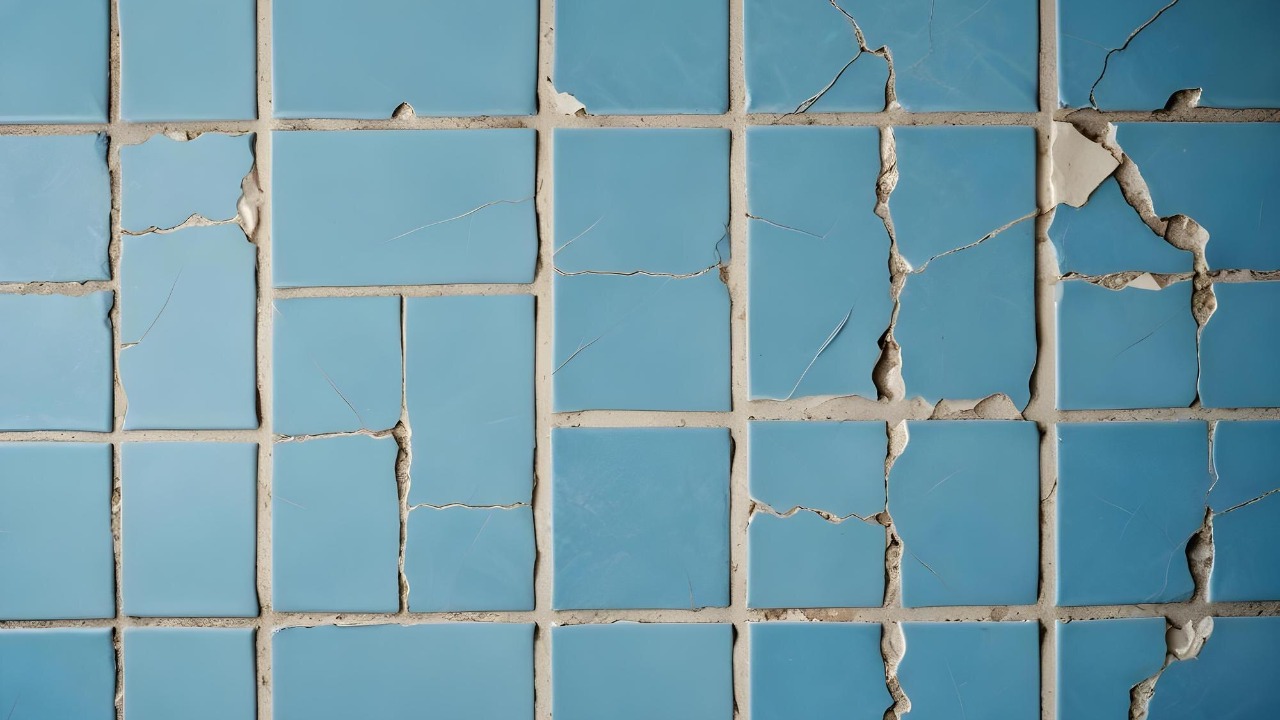
Minor repairs, such as fixing a squeaky door or a cracked tile, might seem insignificant, but they add up in the eyes of an appraiser. Tackling these small issues before the appraisal can enhance your home’s overall presentation.
Addressing minor repairs demonstrates that you maintain the property diligently and helps avoid the perception of deferred maintenance. This attention to detail can positively impact your home’s valuation.
Misrepresenting Square Footage
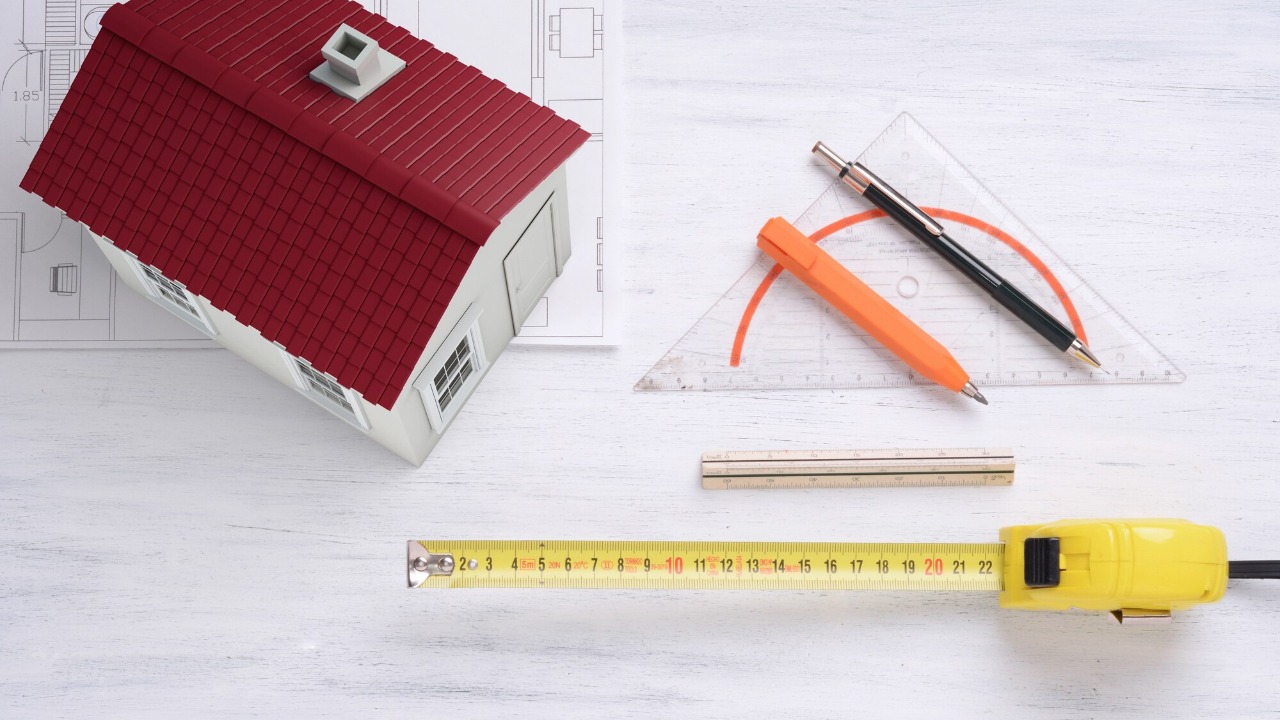
Accurate square footage is essential in determining a home’s value. Misrepresenting this information, whether intentional or accidental, can lead to discrepancies and affect the appraisal outcome. Ensure that all additions or modifications to the home are reflected in the square footage.
Having an accurate and updated floor plan can be helpful. It provides the appraiser with a clear understanding of the property’s layout and size.
Allowing Pets to Roam Freely
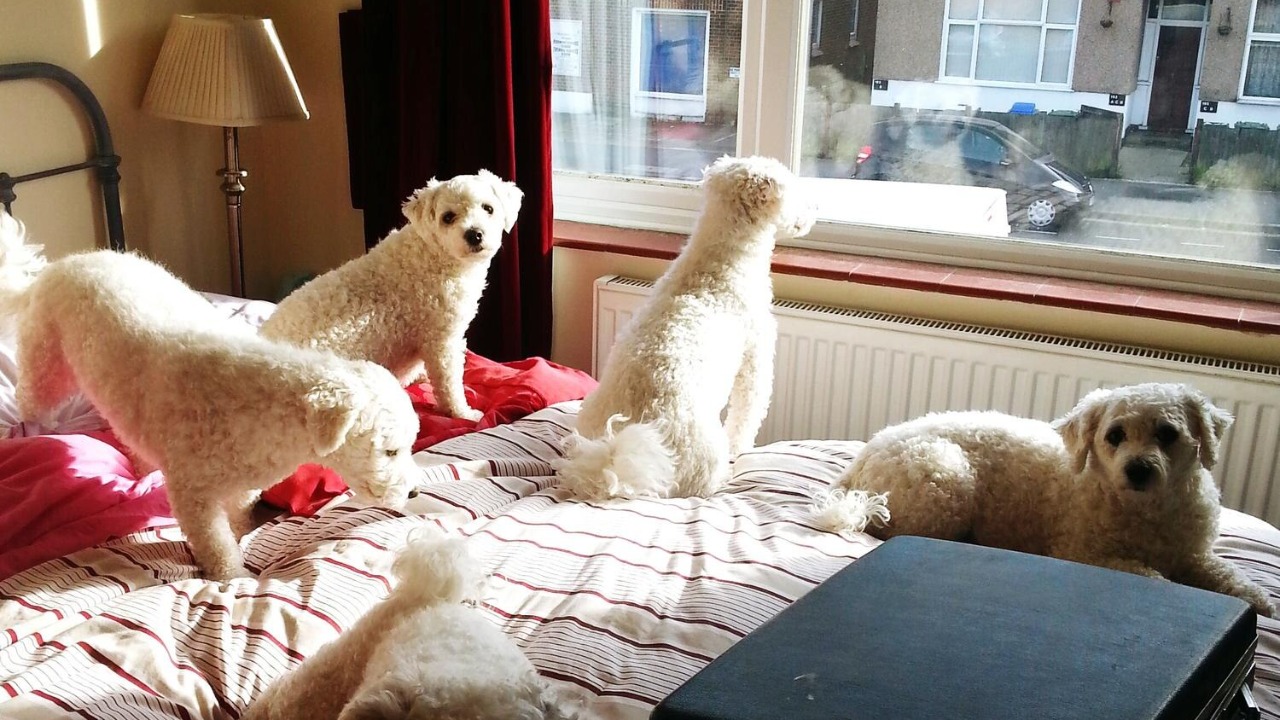
While pets are beloved family members, they can be a distraction during an appraisal. Pet hair, odors, and the possibility of pets getting underfoot can detract from the impression your home makes.
Consider securing pets in a designated space or having them stay with a friend during the appraisal. This ensures the appraiser can move through your home without distractions or concerns.
Forgetting to Provide Access to All Areas
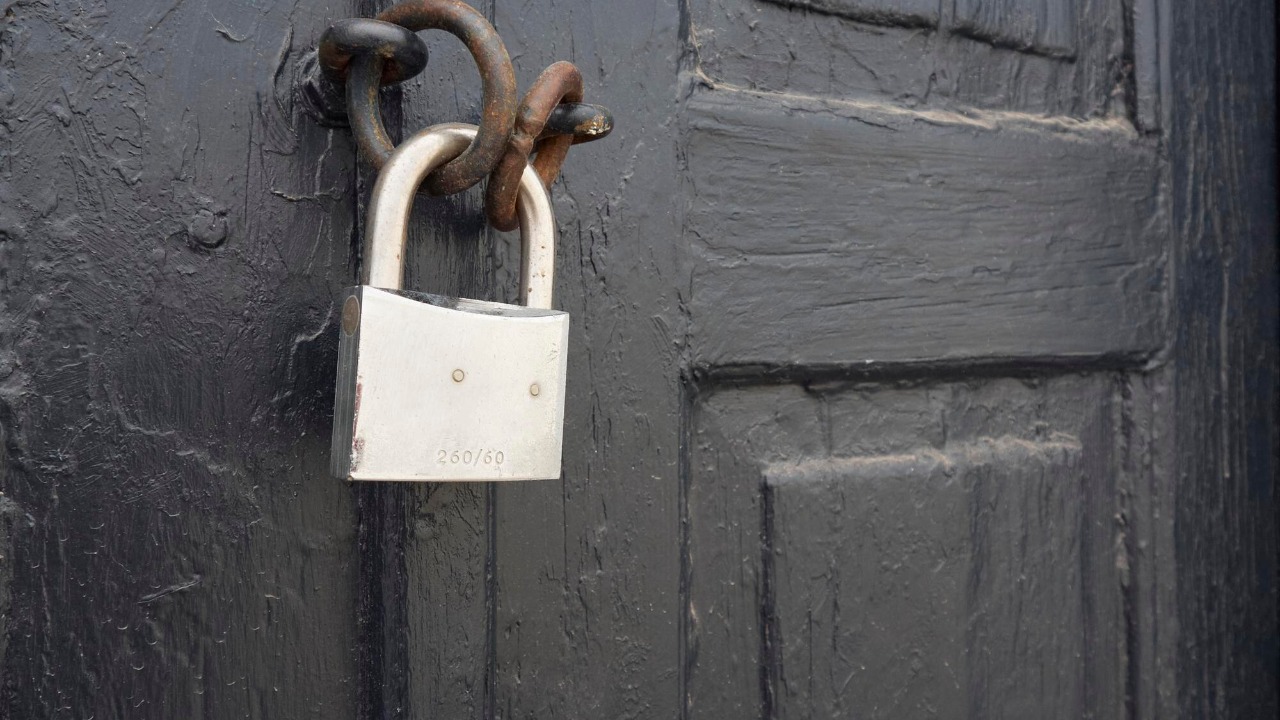
An appraiser needs to inspect all areas of the home to make an accurate assessment. Forgetting to provide access to spaces like the attic, basement, or garage can hinder the process and potentially lead to an incomplete valuation.
Ensure that all doors are unlocked and keys are available for any secured areas. This preparation helps the appraisal go smoothly and allows for a comprehensive evaluation of the property.
Skipping Necessary Safety Precautions
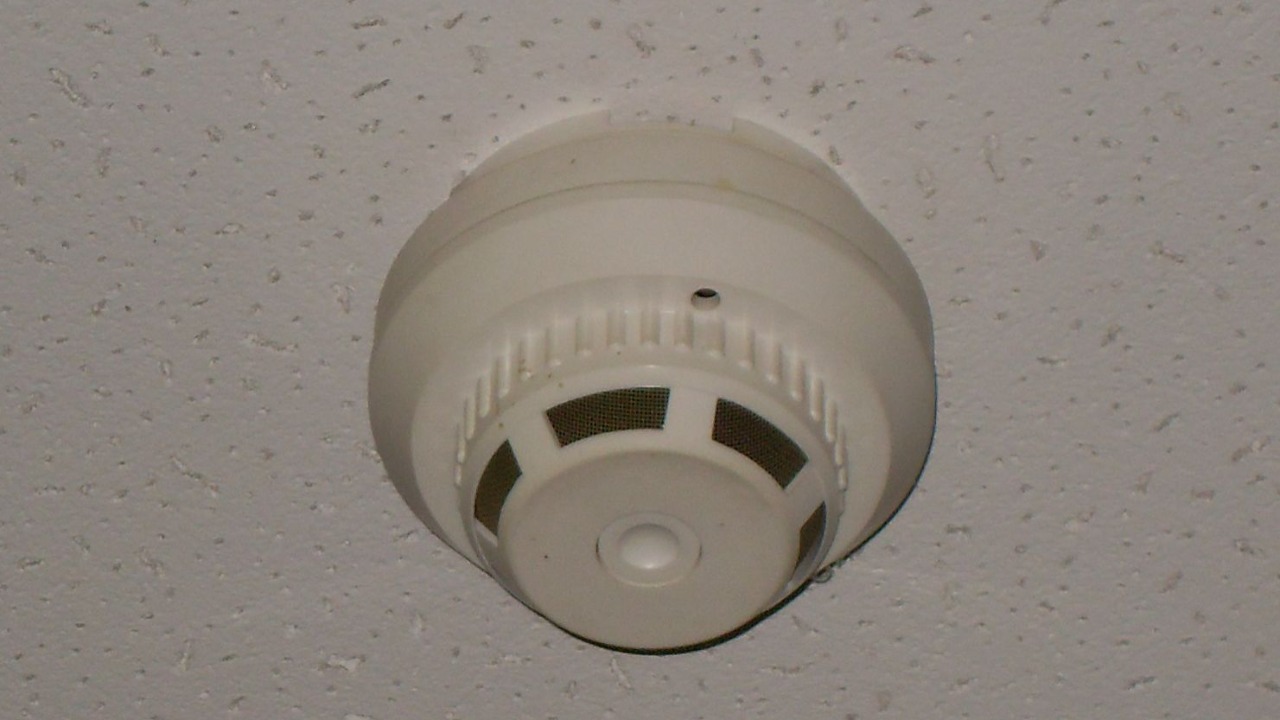
Safety features, such as smoke detectors and carbon monoxide alarms, are crucial aspects of a home appraisal. Skipping these safety precautions can raise red flags and suggest negligence. According to JAMA’s study on home safety, having these devices in working order is imperative.
Check that all safety devices are functional and replace batteries if needed. This not only improves safety but also shows the appraiser that the home is cared for responsibly.
Not Being Present for the Appraisal
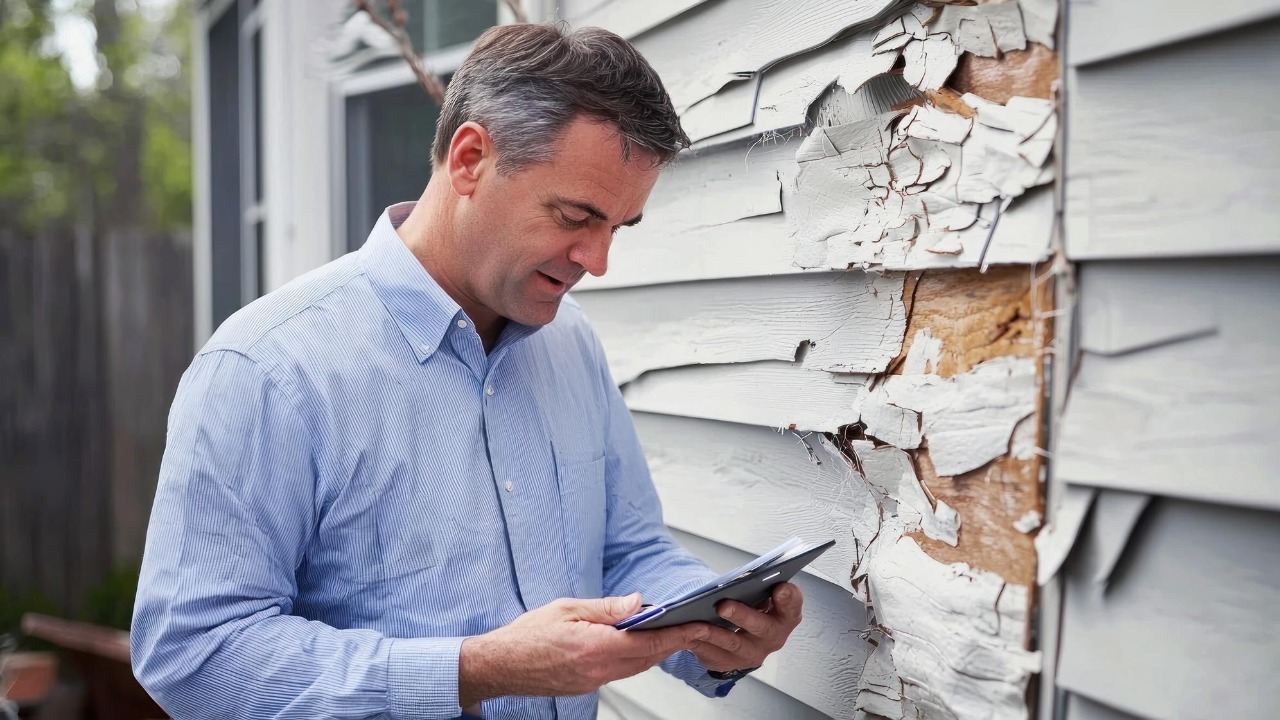
While it may seem convenient to leave the appraiser to their own devices, being present can be beneficial. It allows you to answer questions or provide additional information that might not be immediately apparent. However, it’s important to give the appraiser space to do their job without hovering.
Your presence shows the appraiser your commitment to transparency and willingness to assist. This can lead to a more thorough and accurate appraisal process.

Elias Broderick specializes in residential and commercial real estate, with a focus on market cycles, property fundamentals, and investment strategy. His writing translates complex housing and development trends into clear insights for both new and experienced investors. At The Daily Overview, Elias explores how real estate fits into long-term wealth planning.