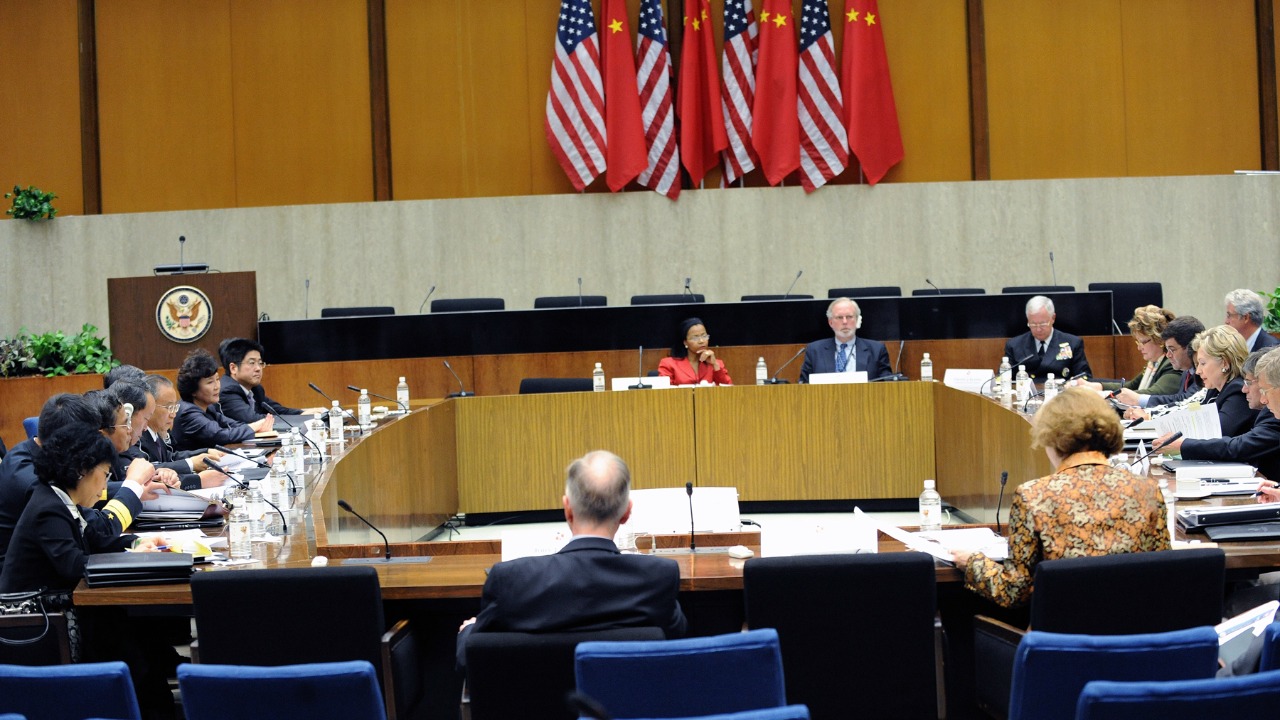
On November 6, 2025, an opinion piece highlighted a significant shift in U.S. policy that has potentially undermined its leverage over China in their ongoing economic rivalry. This development is seen as a costly mistake that could have long-term repercussions for American interests. The change comes in the wake of recent analyses of the contentious U.S.-China trade relationship, which emphasized the importance of maintaining pressure on Beijing. The timing of this policy shift marks a departure from previous strategies that effectively balanced the scales in favor of the United States.
Historical Context of U.S.-China Economic Leverage
The economic relationship between the United States and China has long been characterized by a complex interplay of competition and cooperation. Historically, the U.S. has utilized tariffs and trade restrictions as primary tools to counter what it perceives as unfair Chinese trade practices. These measures were designed to protect American industries and maintain a competitive edge in global markets. According to a background report from October 31, 2025, these strategies have been pivotal in preserving U.S. influence over critical supply chains and technology transfers without making immediate concessions to China.
Previous administrations have leveraged these tools to maintain a degree of control over economic engagements with China. For instance, tariffs imposed during trade negotiations have often served as bargaining chips, allowing the U.S. to extract concessions from China on issues ranging from intellectual property rights to market access. This approach has not only helped safeguard American economic interests but has also provided a measure of stability for businesses and consumers affected by the ongoing trade tensions.
However, the recent shift in policy, as discussed in the November 6, 2025, opinion piece, suggests a loss of this strategic advantage. The implications for stakeholders, including American businesses that rely on stable trade relations, could be significant. The stability that once characterized U.S.-China economic interactions now appears to be at risk, potentially leading to increased volatility in the market.
The Recent U.S. Concession and Its Mechanics
The specific policy shift referenced in the November 6, 2025, analysis involves the U.S. relinquishing a strategic advantage in its negotiations with China. This move has altered the terms of engagement, potentially weakening the U.S. position in future trade discussions. The decision appears to have been prompted by recent diplomatic and economic announcements, which contrast sharply with the fortified positions described in the October 31, 2025, trade overviews.
Major stakeholders, such as U.S. exporters and Chinese state firms, are directly impacted by this change. The opinion piece describes the shift in leverage as a “costly mistake,” highlighting the potential for long-term negative consequences for American economic interests. By giving up this key leverage, the U.S. may find itself at a disadvantage in future negotiations, unable to exert the same level of influence over China’s economic policies.
This concession could also have immediate effects on the dynamics of U.S.-China trade relations. With the U.S. no longer holding the same level of leverage, Chinese firms may feel emboldened to pursue more aggressive strategies in global markets. This could lead to increased competition for American companies, particularly in sectors where China has been rapidly advancing.
Short-Term Impacts on Global Trade Flows
The recent concession by the U.S. is likely to disrupt bilateral trade volumes, as evidenced by patterns from the U.S.-China trade relationship backgrounder. The shift in leverage could accelerate changes in trade flows, with potential repercussions for key sectors such as technology and manufacturing. These industries, which have traditionally relied on U.S. leverage to maintain a competitive edge, may now face increased pressure from Chinese advancements.
Stakeholder reactions to the altered dynamics are already becoming apparent. Multinational corporations, for instance, may need to reassess their investment decisions in light of the new trade environment. Companies that previously benefited from U.S. trade policies may now find themselves at a disadvantage, prompting a reevaluation of their strategies in China and other global markets.
The short-term impacts of this policy shift could also extend to consumer markets. With changes in trade flows, American consumers may experience fluctuations in the availability and pricing of goods, particularly those sourced from China. This could lead to increased costs for everyday products, affecting household budgets and consumer spending patterns.
Long-Term Strategic Consequences for U.S. Interests
The long-term consequences of the U.S. concession could be profound, as opined in the November 6, 2025, piece. By weakening its bargaining power, the U.S. risks losing its ability to effectively counter Chinese economic policies in future disputes. This could have enduring effects on American economic security, as the U.S. may struggle to regain the leverage it once held over China.
Comparing this development to historical updates in the contentious trade landscape, it is clear that the U.S. has departed from tactics that previously contained Chinese expansion. The loss of leverage could embolden Beijing, allowing it to exert greater influence on the global stage. This shift in power dynamics may also affect U.S. alliances, as countries that once relied on American leadership in trade matters may seek new partnerships with China.
Geopolitically, the implications of this policy shift could be significant. As China gains more influence, it may seek to expand its reach in regions where the U.S. has traditionally held sway. This could lead to a realignment of global power structures, with potential consequences for international trade, security, and diplomacy. The U.S. must carefully consider these long-term strategic consequences as it navigates the evolving landscape of U.S.-China relations.
More From TheDailyOverview
- Dave Ramsey warns to stop 401(k) contributions
- 11 night jobs you can do from home (not exciting but steady)
- Small U.S. cities ready to boom next
- 19 things boomers should never sell no matter what

Grant Mercer covers market dynamics, business trends, and the economic forces driving growth across industries. His analysis connects macro movements with real-world implications for investors, entrepreneurs, and professionals. Through his work at The Daily Overview, Grant helps readers understand how markets function and where opportunities may emerge.

