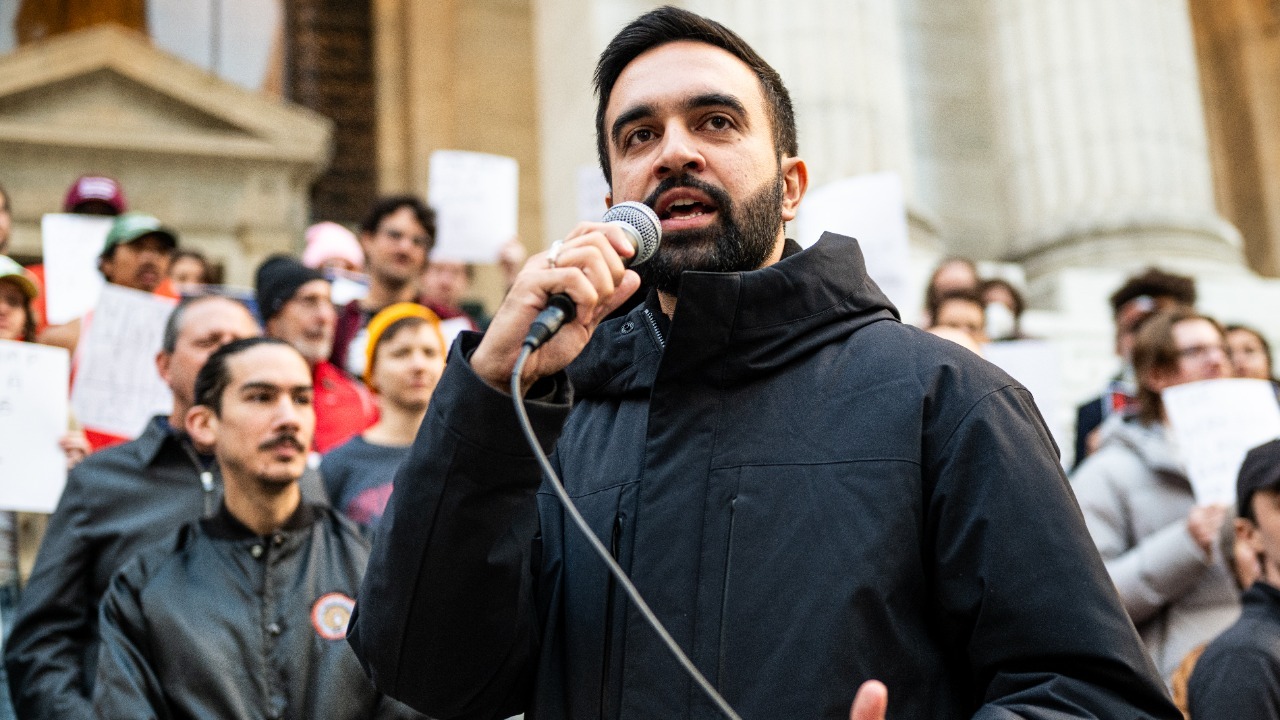
Zohran Mamdani, a New York State Assembly member and candidate for New York City mayor, has introduced a “millionaire tax” aimed at high earners to bolster city services amid ongoing budgetary issues. This proposal raises concerns about whether such a tax on individuals earning over $1 million annually might drive the wealthy out of New York City, potentially affecting the local economy. Critics argue that it could exacerbate the trend of affluent residents moving to states with lower taxes, while supporters view it as a crucial step toward addressing inequality.
Mamdani’s Background and Campaign Context
Zohran Mamdani has established himself as a prominent democratic socialist in the New York State Assembly, where he has consistently championed progressive policies, particularly in areas like housing and transit reforms. His political career has been marked by a commitment to addressing systemic inequalities and advocating for the needs of underrepresented communities. Mamdani’s mayoral campaign, announced in early 2025, places the millionaire tax at the forefront of his platform, positioning it as a means to generate significant revenue without imposing additional burdens on middle-class residents.
As Mamdani’s campaign gains momentum, recent polling indicates growing support among younger voters in New York City, who are drawn to his progressive vision for the city. This contrasts with the reservations expressed by some establishment Democrats, who are wary of the potential economic repercussions of his proposed tax policies. Despite these concerns, Mamdani has garnered endorsements from influential progressive figures and organizations, further solidifying his standing as a formidable candidate in the mayoral race.
Details of the Proposed Millionaire Tax
The proposed millionaire tax would implement a 2% surcharge on income exceeding $1 million for residents of New York City. This measure is projected to raise approximately $10 billion annually, which Mamdani plans to allocate toward enhancing public services. The tax is designed to be rolled out in 2026, contingent upon Mamdani’s election as mayor, and builds on discussions at the state level that began in 2024. This timeline reflects Mamdani’s strategic approach to addressing the city’s fiscal challenges while ensuring that the tax is implemented thoughtfully and effectively.
To address concerns about potential economic disruptions, the proposal includes specific exemptions and thresholds. For instance, protections for small business owners are incorporated to mitigate claims of broad economic harm. These measures aim to balance the need for increased revenue with the imperative to maintain a vibrant and diverse economic landscape in New York City. By carefully structuring the tax, Mamdani seeks to minimize unintended consequences while maximizing the benefits for the city’s residents.
Potential Economic Impacts on NYC’s Wealthy
Recent data highlights a significant out-migration trend, with over 500,000 high-income households leaving New York City between 2020 and 2024. This exodus has been attributed to high taxes and the growing feasibility of remote work, which allows affluent individuals to relocate to states with more favorable tax environments. Business groups, such as the Partnership for New York City, have expressed concerns that the proposed millionaire tax could further deter investment and hinder talent retention, exacerbating these existing trends.
Economic modeling suggests that similar policies in other regions, such as California and parts of Europe, have led to a 10-15% reduction in the number of millionaire residents over a five-year period. These projections underscore the potential risks associated with Mamdani’s tax proposal, as they indicate that a significant portion of the city’s wealthy population might choose to relocate in response to the new tax. This potential decline in the number of high-income residents could have far-reaching implications for the city’s economy, affecting everything from real estate markets to philanthropic contributions.
Arguments from Supporters and Broader Policy Debate
Supporters of Mamdani’s proposal argue that the revenue generated from the millionaire tax could be instrumental in funding essential services such as universal childcare and affordable housing. By reallocating resources to these critical areas, Mamdani aims to address longstanding issues of inequality and ensure that all New Yorkers have access to the support they need. Labor unions and advocacy groups have voiced their support for the tax, emphasizing that New York City’s progressive tax base has historically contributed to growth rather than driving residents away.
Past tax hikes in New York City, such as the 2017 reform that increased rates on top earners, did not result in significant out-migration, suggesting that the city’s economic resilience may withstand Mamdani’s proposed changes. However, the post-pandemic economy presents new challenges and uncertainties, making it difficult to predict the exact impact of the millionaire tax. As the debate continues, stakeholders on both sides are closely monitoring developments to assess the potential consequences for the city’s future.
More From TheDailyOverview
- Dave Ramsey warns to stop 401(k) contributions
- 11 night jobs you can do from home (not exciting but steady)
- Small U.S. cities ready to boom next
- 19 things boomers should never sell no matter what

Julian Harrow specializes in taxation, IRS rules, and compliance strategy. His work helps readers navigate complex tax codes, deadlines, and reporting requirements while identifying opportunities for efficiency and risk reduction. At The Daily Overview, Julian breaks down tax-related topics with precision and clarity, making a traditionally dense subject easier to understand.

