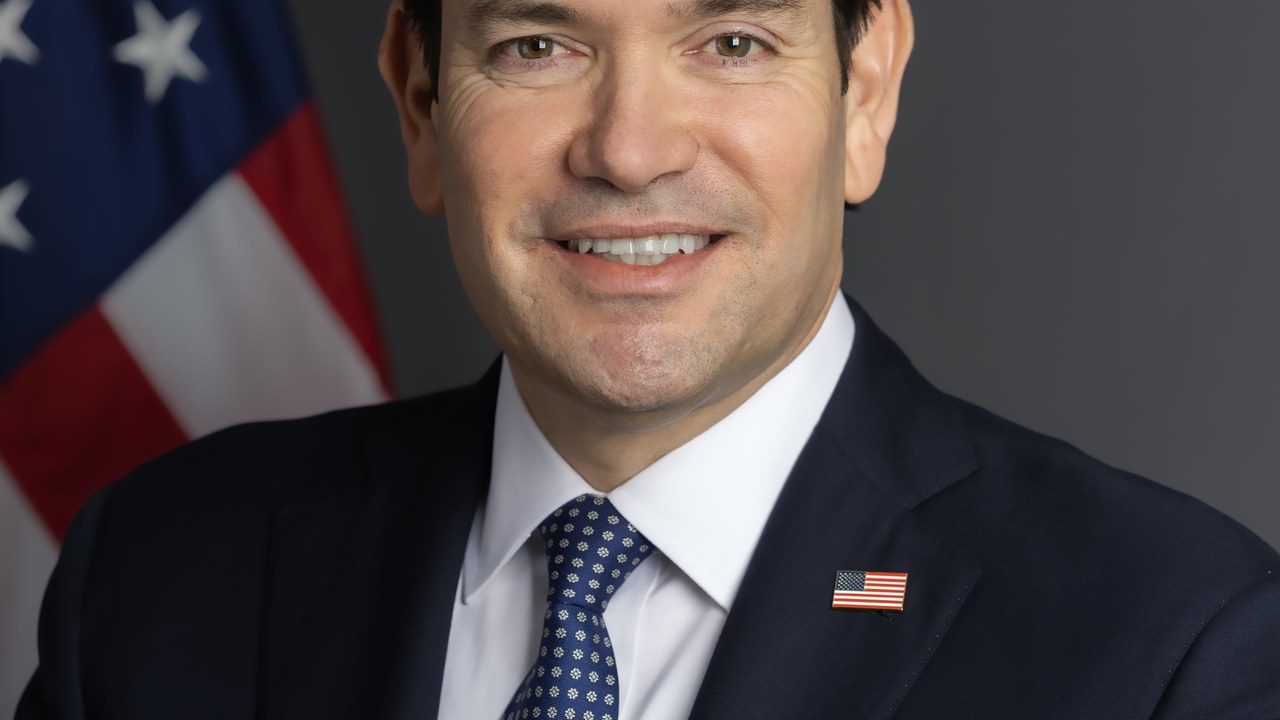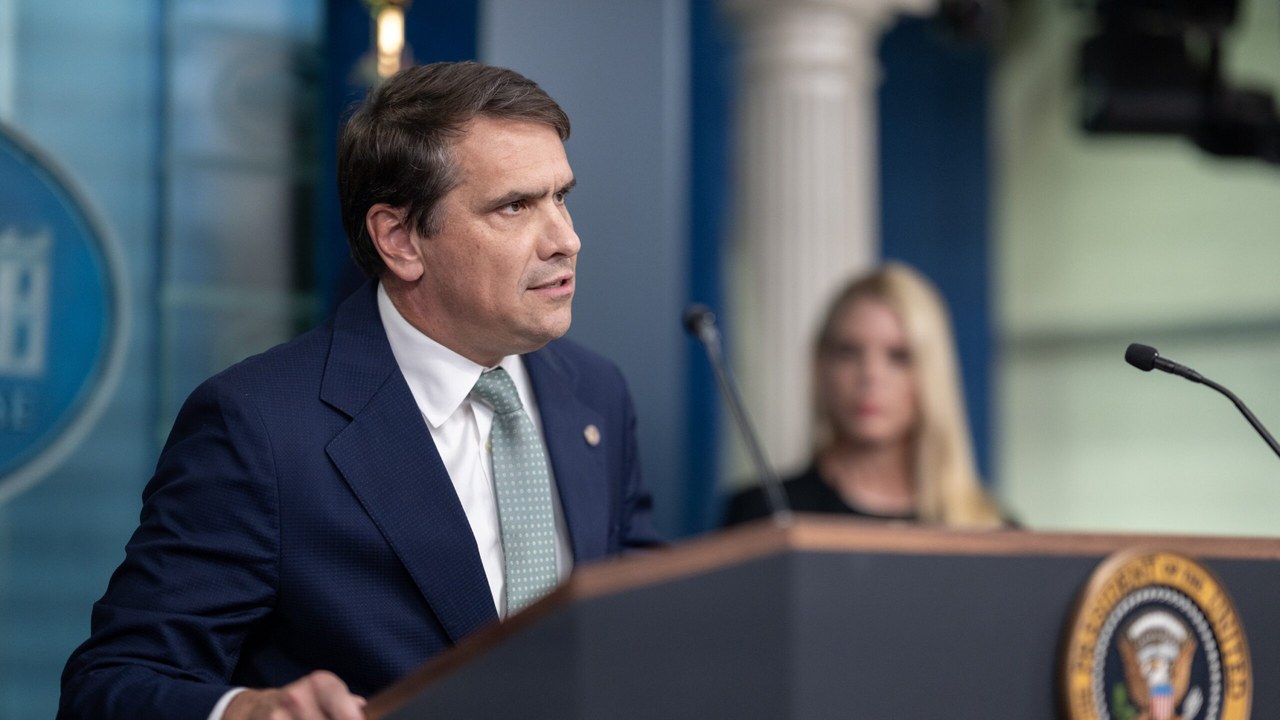
Attorney General Todd Blanche has done something Washington left dormant for more than three decades: he has created a working route for Americans barred by federal law from possessing firearms to ask for their rights back. The move puts the Trump administration squarely on the side of individualized Second Amendment relief while keeping violent and dangerous applicants behind a hard presumption against approval.
The political stakes are enormous because the Justice Department says roughly 30 million Americans have lost federal firearm rights. Blanche is not handing guns back automatically, but he is replacing a dead-end system with a process that can finally deliver a yes or no.
Blanche revives a process Congress froze in 1992
The Justice Department announced on August 17 that Blanche had finalized a federal regulation and launched a new process for restoring federal firearm rights. The department described the action as one of his first moves after becoming attorney general and said the new framework advances President Donald Trump’s directive to protect the Second Amendment.
That is a genuine break with the status quo. Congress created the relief mechanism in federal law, but it barred the Bureau of Alcohol, Tobacco, Firearms and Explosives from spending appropriated funds to process individual applications beginning in 1992. The result was a statutory door that technically existed but was effectively nailed shut for ordinary applicants.
Blanche’s rule moves the decision back to the attorney general and supplies criteria for individualized review. The Justice Department’s announcement calls the new program a path for eligible people who are federally prohibited from possessing firearms, not a blanket pardon and not an automatic restoration.
The 30 million figure comes with a narrow first wave
U.S. Pardon Attorney Edward Martin said the department built the program for a potential population of 30 million Americans who have lost Second Amendment rights. That number gives the rule national political force, but it does not mean 30 million applications will be accepted at once.
The rollout is deliberately staged. The department’s Federal Firearm Rights Restoration portal says invited candidates may apply beginning September 25. The public opening is scheduled for November 4, when the first 5,000 candidates may submit applications, followed by another public window on January 4, 2027 for 500 additional candidates and the start of the application fee.
That limited capacity is the rule’s first major political test. A right that exists only for the first few thousand people in a pool measured in the tens of millions will generate pressure for a much larger operation. Still, a small functioning channel is a material change from a process that had been unavailable to most individuals for more than 30 years.
Violent offenders face a heavy presumption against relief
The new framework does not erase the federal gun prohibitions in 18 U.S.C. 922(g). Instead, it creates a case-by-case route for people who can persuade the attorney general that the circumstances behind their disability, their record, their reputation and their later conduct show they are unlikely to endanger public safety.
The signed final-rule text keeps strong presumptions against violent felons, registered sex offenders, illegal aliens and others who present an ongoing danger. It also establishes waiting periods for other categories: people with drug-trafficking convictions or misdemeanor domestic-violence convictions generally face at least 10 years after completing their sentences, while many other felony convictions carry a five-year presumptive wait.
Applicants must do more than assert rehabilitation. The rule requires supporting records, three sworn character statements, notice to the chief law-enforcement officer where the applicant lives, fingerprints and a background review. The attorney general may consider the nature of the old conduct, the time that has passed, the applicant’s law-abiding behavior and whether restoration would be consistent with the public interest.
The record behind the rule also undercuts the idea that the department rushed this out without public input. DOJ says it received 15,559 comments across the interim rule and the later proposal, with roughly 91 percent generally supporting the objective of restoring a functioning process. The final product is therefore not a single speech or press release. It is a completed rulemaking that absorbed arguments from gun-rights advocates, public-safety groups, state officials and individual citizens.
Congress wrote the standard Blanche is now using
The administration did not invent the basic relief power. Section 925(c) of Title 18 says a prohibited person may apply to the attorney general and may receive relief if the applicant is not likely to act dangerously and restoration would not run against the public interest.
That statutory language matters because critics are certain to frame the program as an executive giveaway to criminals. The actual rule is more demanding. It preserves the federal ban, places the burden on the applicant and allows denial when the attorney general is not satisfied. It also cannot wipe away an independent state-law firearms restriction, so federal approval does not guarantee legal possession in every state.
A denied applicant can seek judicial review in federal district court, another guardrail Congress wrote into the law. That review does not convert the program into an entitlement, but it prevents the executive branch from making the attorney general’s discretion entirely unreviewable.
The political argument is therefore not whether dangerous people should be armed. Blanche’s position is that a lifetime federal disability should not become irreversible for every person in every circumstance when Congress itself wrote an individualized escape valve into law.
The Second Amendment fight shifts from theory to applications
For years, Washington could praise constitutional rights while leaving this particular remedy unusable. Blanche has forced the issue into the open. The department will now have to show that it can separate applicants who rebuilt law-abiding lives from those who still pose a threat, and it will have to do so without turning the process into another multi-year federal backlog.
The first 5,000 public slots will reveal whether the program is a serious restoration mechanism or merely a symbolic opening. They will also expose the inevitable clash between states that favor permanent restrictions and a Republican administration that views individualized relief as part of protecting the Second Amendment.
What changed this week is concrete: the attorney general signed the rule, the Justice Department published the application roadmap, and dates now exist for intake. Thirty million Americans did not regain gun rights overnight. They did gain something the federal government had denied most of them since 1992: a defined path to make their case.
AI tools assisted with research organization and editorial review; an editor verified the cited official records and the final text.

Julian Harrow specializes in taxation, IRS rules, and compliance strategy. His work helps readers navigate complex tax codes, deadlines, and reporting requirements while identifying opportunities for efficiency and risk reduction. At The Daily Overview, Julian breaks down tax-related topics with precision and clarity, making a traditionally dense subject easier to understand.