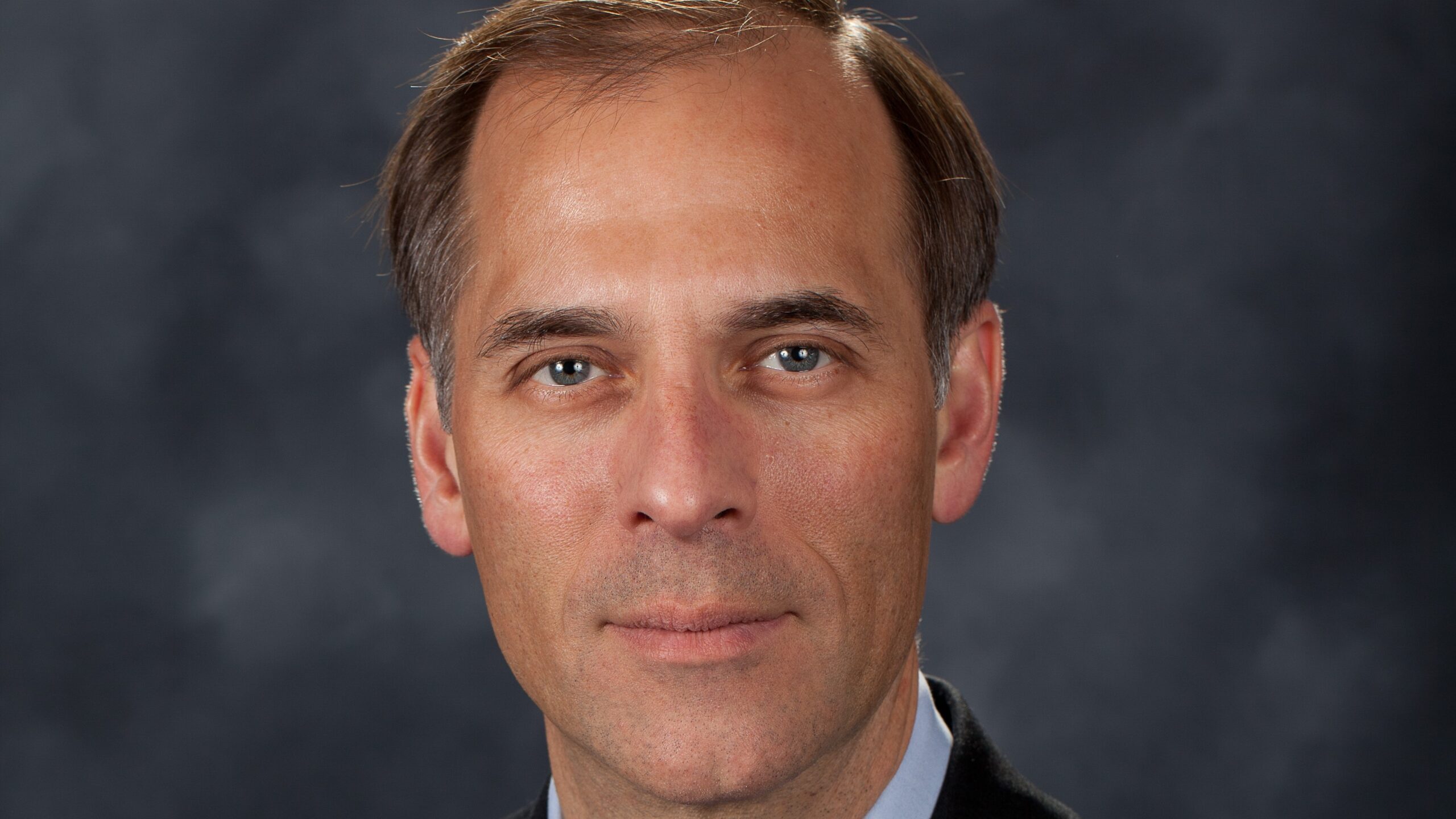
Economists Gregory Daco and Mark Zandi are warning that the United States’ strong growth numbers may be masking rising risks for ordinary Americans. Even as gross domestic product (GDP) climbs, they see signs that many households, small businesses, and younger workers could be hit hard if the economy slows, raising doubts about how solid the current expansion really is.
Their message is that headline data alone cannot explain what is happening on the ground. They argue that the quality of growth, who benefits from it, and who is exposed to future shocks matter as much as the pace of GDP. By pointing to specific weak spots and new figures on debt, jobs, and business stress, they urge people to look past the averages and ask who would pay the price if today’s boom gives way to a downturn.
Strong GDP, fragile footing
Mark Zandi has stressed that recent GDP growth has been robust, yet he still thinks a recession could be closer than many assume. In his latest outlook, he explains that the pattern of growth and the way it is financed matter as much as the top-line number. He points to stretched stock prices, a cooling labor market, and rising borrowing costs as reasons to doubt that the current pace can last. When he says, “This is not sustainable,” he is warning that something in the current mix will have to give.
His concern is backed by several data points that sit uneasily beside strong GDP. He notes, for example, that 698 regional banks now face tighter funding conditions than they did before interest rates jumped, putting pressure on credit to smaller firms. He also highlights that about 8,657 layoffs were announced in a recent month in interest-rate-sensitive industries such as real estate and finance, even as total employment continued to grow. These kinds of figures, discussed in his recession analysis, help explain why he sees a fragile footing beneath the strong national numbers.
Daco’s warning on hidden cracks
Gregory Daco, chief economist at EY, has framed the problem in similar terms, warning that the United States is showing “cracks” beneath what still looks like solid growth. In his view, the surface story of a healthy expansion hides growing stress for certain households and types of businesses. He argues that the economy is vulnerable to what he calls a “correction” that could trigger a broader bust if conditions change suddenly, such as a sharper rise in unemployment or a drop in asset prices.
He points out that even as GDP rises, not all parts of the economy are equally strong. Daco notes that 76,260 small and mid-size firms now face higher debt service costs than they did just a few years ago, leaving them exposed if sales weaken. He also warns that some sectors are relying heavily on short-term financing that could dry up in a downturn. These concerns, laid out in his recent EY forecast, support his view that the apparent strength of the expansion may rest on unstable foundations.
Median earners and widening stress
Daco has drawn special attention to how median-income households are doing in this environment. “Whether you’re looking at certain income groups—not just the lowest income groups, but the median income groups—they are increasing,” he notes. On paper, this rise in incomes should be good news. Yet he worries that these gains are fragile, because they are often offset by higher housing, health, and debt costs that leave families with little room for error.
For many middle-income workers, pay raises have barely kept up with the cost of living. Daco’s concern is that these households may feel secure while jobs are plentiful, but they could slip into trouble quickly if hours are cut or if borrowing becomes more expensive. He points to survey evidence that many median earners would struggle to cover an unexpected expense of a few hundred dollars, even after recent pay gains. This tension between rising incomes and thin financial cushions is central to his warning that the current expansion may not be as inclusive or as safe as the aggregate data suggests.
Small firms, young workers, and the next downturn
Both economists see small businesses and young workers as especially vulnerable if the economy slows. Daco notes that most forecasters now expect more pressure on smaller firms and on people early in their careers as the cycle matures. Small companies usually have less access to cheap credit and smaller cash buffers than large corporations, so higher interest rates and weaker demand can hit them fast. If credit conditions tighten further, many could delay hiring, cut investment, or even close.
Young workers are at risk for different reasons. They are more likely to hold temporary, part-time, or lower-paid jobs that are often the first to go when employers pull back. Daco stresses that a downturn that begins with stress on small businesses could quickly spill over into job losses for younger employees, especially in service industries. His comments, summarized in a recent report, suggest that even a mild recession could feel severe for people working at or near the bottom of corporate hierarchies.
Why headline growth can mislead
Daco and Zandi are both pushing back against the habit of treating GDP as a full scorecard for economic health. Zandi’s statement that current conditions are “not sustainable,” paired with Daco’s focus on hidden cracks, shows how averages can hide who is bearing the risk. An economy can grow while debt piles up in weaker sectors, while job gains are concentrated in lower-quality roles, or while asset prices rise faster than underlying profits.
For that reason, they are wary of simple claims that strong GDP means low recession odds. Their argument is not about predicting the exact month a downturn will start. Instead, it is about judging the quality and balance of the expansion. If growth depends on forces that cannot last—such as very easy financial conditions or a burst of consumer spending that runs ahead of income—then an adjustment is likely. The open question is whether that adjustment takes the form of a gentle slowdown or a sharper break that hits the most exposed groups first.
More From The Daily Overview
*This article was researched with the help of AI, with human editors creating the final content.

Grant Mercer covers market dynamics, business trends, and the economic forces driving growth across industries. His analysis connects macro movements with real-world implications for investors, entrepreneurs, and professionals. Through his work at The Daily Overview, Grant helps readers understand how markets function and where opportunities may emerge.

