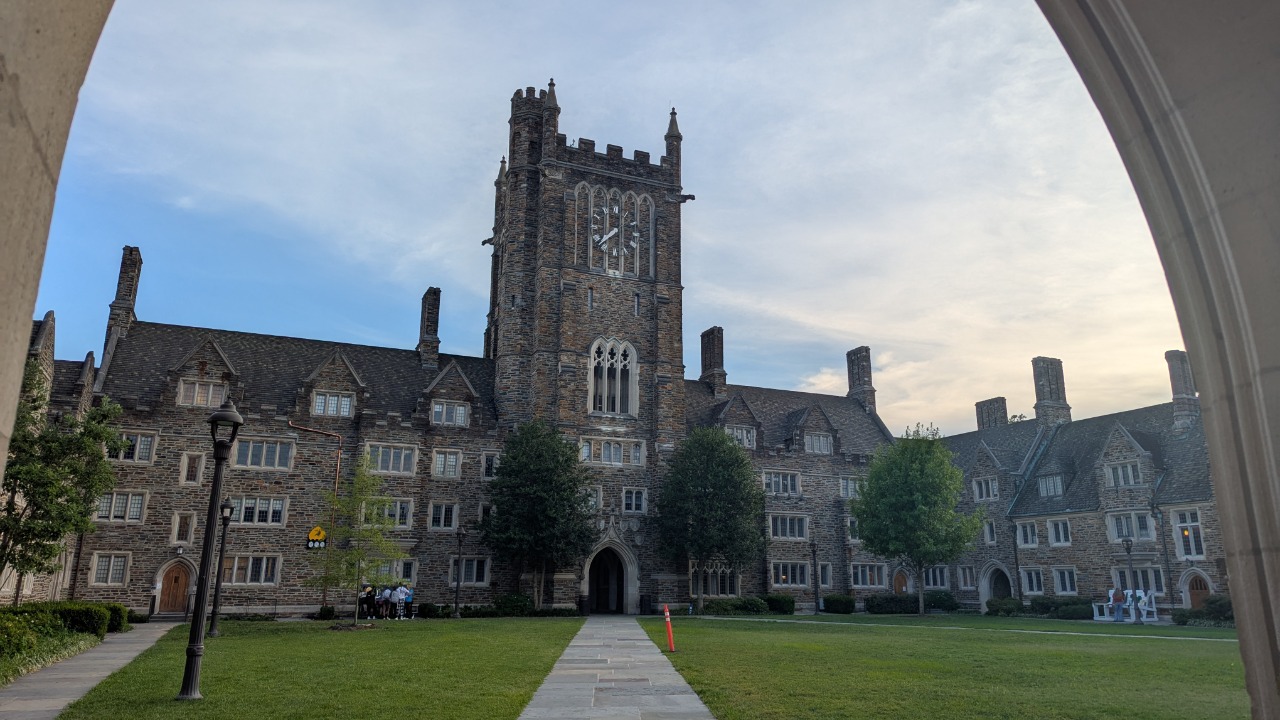
The Trump administration has taken a significant step by freezing $108 million in research funding to Duke University amid an investigation into alleged racial discrimination. This move has sparked a national debate on the intersection of politics, funding, and racial equality in academic institutions. The unfolding situation at Duke highlights broader issues of accountability and transparency within university practices.
The Background of the Funding Freeze
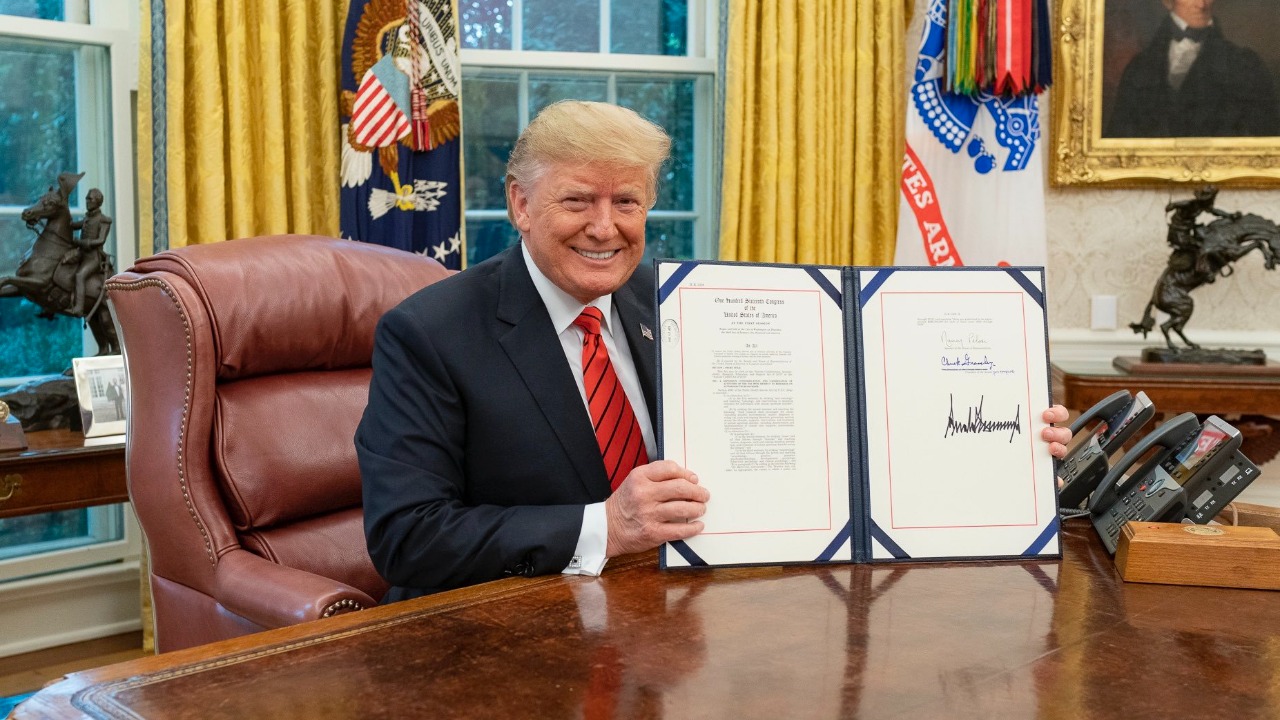
The decision by the Trump administration to freeze a substantial amount of funding allocated to Duke University has raised eyebrows across the academic and political spectrum. This move is part of a broader investigation into allegations of racial discrimination at the institution. Historically, federal funding has been a crucial lifeline for universities, supporting a wide array of research initiatives and academic programs. The implications of freezing such a significant sum are far-reaching, affecting not only the university’s immediate operations but also its long-term research capabilities.
Allegations of racial discrimination at Duke University have been the catalyst for this drastic measure. While details of the complaints remain under investigation, the decision underscores the administration’s stance on accountability in education. This situation at Duke is not isolated but reflects a growing scrutiny of institutional practices across the nation. The federal government has long played a role in funding academic research, and this action potentially signals a shift in how such oversight might be conducted in the future.
Impact on Duke University’s Research Initiatives
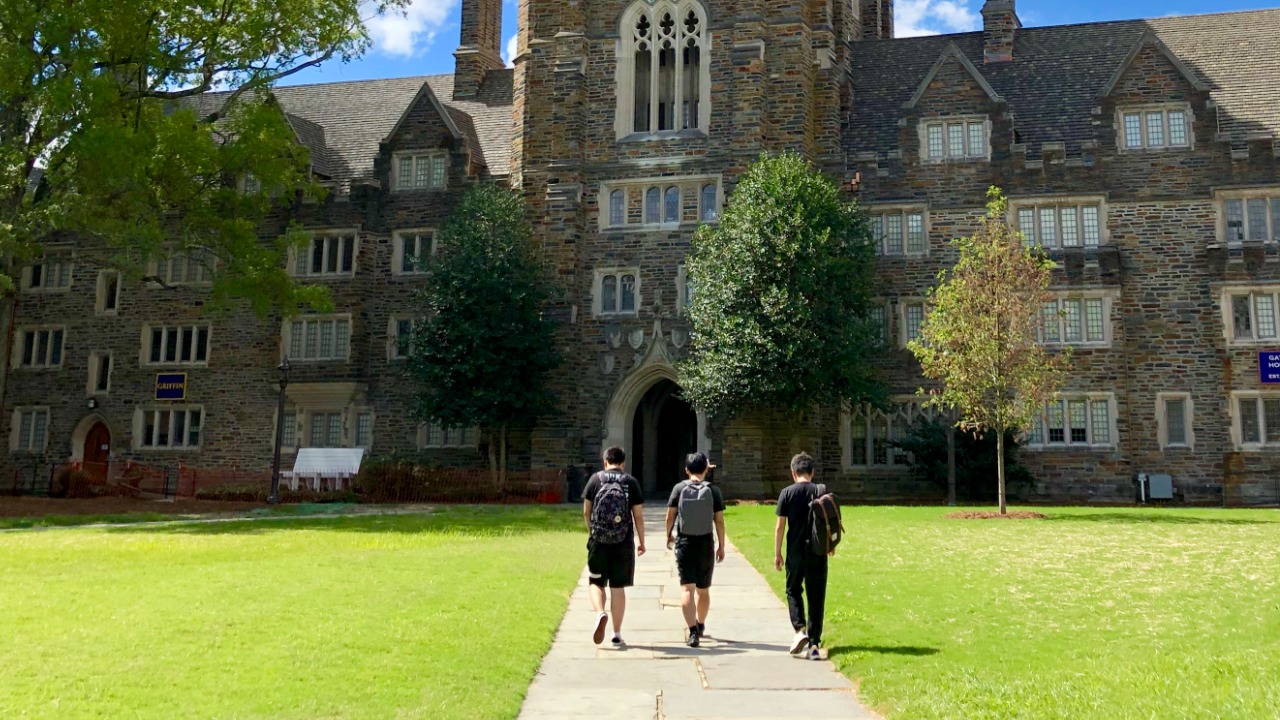
With the freezing of $108 million, the immediate effects on Duke University’s research projects are significant. This funding was earmarked for a variety of initiatives, ranging from medical research to technological advancements. The sudden halt in financial support has left many projects in limbo, affecting not only the faculty and students directly involved but also the broader academic community. The disruption of ongoing work could lead to delays in critical discoveries and innovations that have wider societal impacts.
The long-term consequences for Duke’s academic reputation could be substantial. A university’s ability to attract top-tier talent and secure additional funding often hinges on its reputation for conducting cutting-edge research. The current situation may deter potential collaborators and funders, wary of the uncertainty surrounding the institution’s financial stability. Stakeholders within the Duke community have expressed concern over the future, emphasizing the need for a swift resolution to the inquiry to mitigate potential damage.
The Broader Implications for Higher Education

The decision to freeze funding at Duke University could set a precedent for other academic institutions. Universities across the country may now find themselves under increased scrutiny regarding their internal practices and policies. This could lead to a broader reevaluation of how federal funding is allocated and monitored, potentially altering the landscape of academic research in significant ways. The implications extend beyond individual institutions, affecting the overall dynamics between academia and government.
Furthermore, the situation brings to light the complex role of race and discrimination in higher education funding decisions. As universities strive to create inclusive environments, the balance between compliance with federal standards and fostering diversity becomes increasingly critical. The current freeze at Duke highlights the challenges institutions face in aligning their practices with broader societal expectations.
Political and Social Reactions

The funding freeze has elicited a range of responses from political figures and organizations. Some view the administration’s decision as a necessary step to ensure accountability and uphold standards within academic institutions. Others criticize the move, arguing that it could undermine valuable research efforts and set a dangerous precedent for political interference in education. Public opinion is similarly divided, with some praising the administration’s commitment to addressing discrimination, while others fear the potential negative impact on academic freedom.
Media coverage of the situation has been extensive, influencing public perception and sparking further debate. Various outlets have reported on the potential consequences of the funding freeze, each offering different perspectives on the issue. The role of media in shaping the narrative cannot be understated, as it contributes to the broader discussion on the intersection of politics, race, and education. The social and political landscape is undeniably affected by how these events are portrayed and understood by the public.
Possible Resolutions and Future Outlook
The inquiry into racial discrimination at Duke University could result in several potential outcomes. Legally, the university may face sanctions or be required to implement specific measures to address the allegations. Administratively, Duke may need to overhaul its policies and procedures to ensure compliance with federal standards. These actions could help restore confidence among stakeholders and pave the way for the resumption of frozen funds.
Duke University might consider employing various strategies to resolve the situation. Engaging with external auditors to review and improve institutional practices could be one approach. Additionally, fostering open dialogue with the academic community and stakeholders may help rebuild trust and demonstrate a commitment to addressing the issues at hand. The future relationship between the Trump administration and academic institutions regarding funding and oversight is likely to evolve, influenced by the outcomes of this case.
As the situation unfolds, speculation abounds regarding the long-term implications for both Duke University and the broader academic landscape. The case serves as a reminder of the complex interplay between politics, funding, and race in higher education. Moving forward, universities may need to navigate these challenges with increased vigilance, ensuring that their practices align with both legal requirements and the evolving expectations of society. The resolution of this inquiry could set important precedents for how such matters are addressed in the future.

Julian Harrow specializes in taxation, IRS rules, and compliance strategy. His work helps readers navigate complex tax codes, deadlines, and reporting requirements while identifying opportunities for efficiency and risk reduction. At The Daily Overview, Julian breaks down tax-related topics with precision and clarity, making a traditionally dense subject easier to understand.

