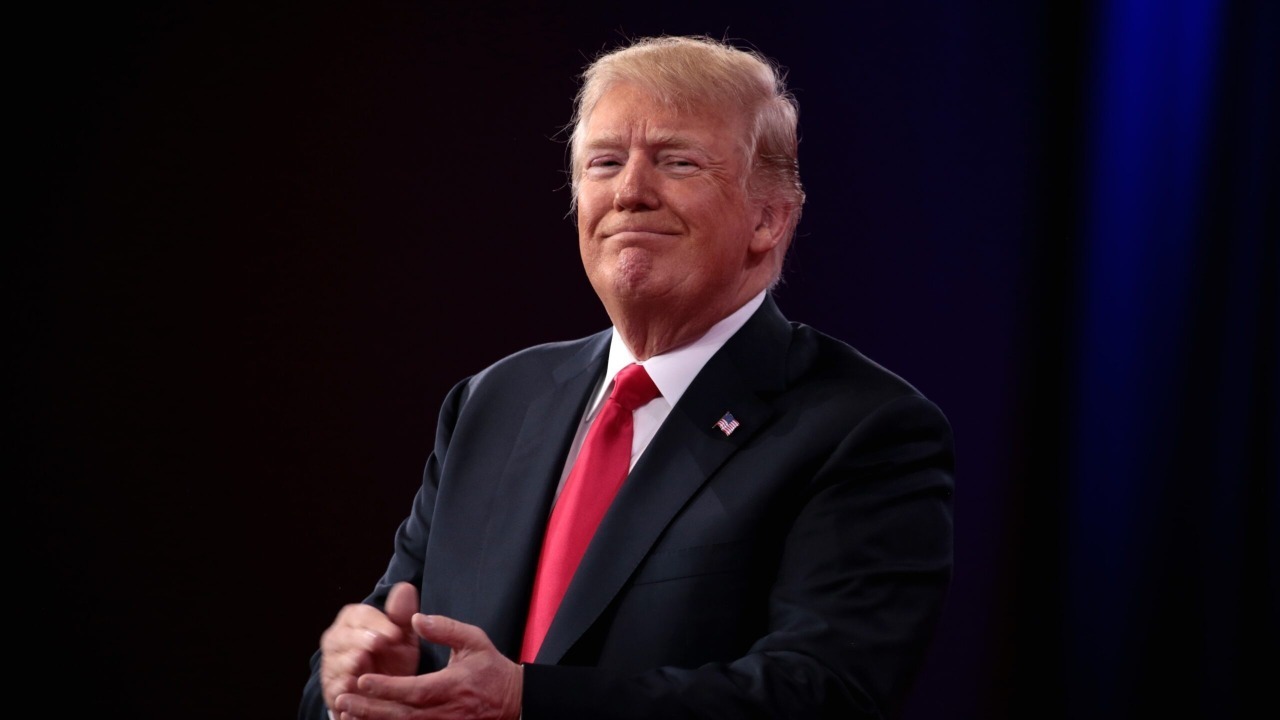
President Donald Trump walked into the Oval Office on Monday afternoon, sat down beside Health Secretary Robert F. Kennedy Jr., and signed an executive order that takes a hard blade to the list of vaccines the federal government tells parents their children must have. The order strips the roster of shots recommended for every American child down to protection against 11 diseases, orders the combined measles-mumps-rubella shot broken apart into three separate injections, and tells federal agencies and state legislatures to fall in line behind what the White House is branding the “Gold Standard” childhood vaccine schedule.
It is one of the most aggressive moves any president has ever made against the childhood immunization framework that pediatricians have built and defended for decades, and it landed exactly the way the administration wanted it to: as a direct challenge to the medical and public-health establishment. Within hours, the nation’s pediatricians and public-health groups lined up against it, Democrats accused the president of gambling with children’s lives, and the fight that Kennedy has been waging inside the government for a year and a half spilled fully into the open.
Eleven Diseases, Down From Eighteen
The heart of the order is a shorter list. Under the new recommendations laid out in the White House’s official fact sheet, the government now recommends that all children be immunized against 11 diseases — measles, mumps, rubella, diphtheria, tetanus, pertussis, polio, Haemophilus influenzae type B, pneumococcal disease, human papillomavirus, and varicella. That is a sharp cut from the 18 diseases the Centers for Disease Control and Prevention recommended against in 2024. Everything that falls off the universal list, from the seasonal flu shot to the COVID-19 vaccine, is now reclassified either as a shot for specific high-risk groups or as a matter of “shared clinical decision-making” between a family and its doctor.
The order does not stop at the list. It calls for the combined MMR vaccine to be administered as three single-disease shots once such products are available domestically, and it advises that childhood immunizations be spaced out across separate medical visits rather than bundled together. States that run school vaccine requirements are told to review the new recommendations and consider rewriting their laws to match. Every federal agency is directed to advance the recommendations wherever its authority allows. Nothing in the order forces a single vaccine off the market, and every shot that was available last week is still available this week — but the government’s official advice to parents has been rewritten from the top down.
The Argument From the “Gold Standard”
Trump and Kennedy are not framing this as skepticism of vaccines. They are framing it as a correction, and their central piece of evidence is a government analysis. An HHS scientific assessment completed in January compared the American immunization schedule against those of peer nations and concluded that the United States recommends more childhood vaccines than any comparable country — in some cases more than twice as many doses as certain European nations. The assessment counted a schedule that had grown from 23 doses across seven shots for seven diseases in 1980 to at least 84 doses across at least 57 shots by 2024. It also found that most peer countries hold high vaccination rates through public trust and education rather than the school-entry mandates that individual American states impose.
That comparison is the spine of the president’s case: that other wealthy, developed nations vaccinate their children against fewer diseases and do so without the mandate-heavy system Americans live under, and that the United States has simply piled shot upon shot without asking whether the schedule still made sense. The order builds directly on a May executive order that first committed the administration to realigning the schedule with peer-country practice, and it leans on the language of parental choice, informed consent, and personal autonomy at every turn. This, the White House insists, is about handing decisions back to families and their own doctors.
Going After the States and the Mandates
The most consequential language sits deeper in the order itself. It directs the attorney general to pursue legal actions against state laws that the administration believes conflict with families’ rights to parental authority, religious freedom, disability accommodations, and equal protection — including the obligation to provide religious and medical exemptions from the immunization requirements children must meet to enroll in school. It further tells the Departments of Justice, Education, and Health and Human Services to make sure their own contractors and grantees, states and localities included, honor those same exemption obligations. In plain terms, the federal government is now positioning itself to sue states that make it hard for parents to opt their children out of school-mandated shots.
The order also sets a clock running inside the health bureaucracy. Within 90 days, the HHS Task Force on Safer Childhood Vaccines must deliver plans to the president to offer core vaccines as single shots rather than combinations, reassess the timing and sequencing of the entire schedule, develop alternatives to aluminum adjuvants, run new comparative safety studies, and overhaul how vaccine safety is monitored. It is a mandate to keep pulling at the schedule for months to come, and it guarantees this is a beginning rather than an endpoint.
The Medical Establishment Erupts
The reaction from the people who actually administer these shots was immediate and furious. The order, as reporters in the room documented, drew instant pushback from the medical and public-health communities, which fired back that decades of rigorous studies show the existing childhood schedule to be safe and effective and that nothing in the science has changed to justify tearing it apart. The nation’s pediatricians warned that nothing in the underlying evidence had changed to justify it. Trump waved the criticism away at the signing, telling the room, “Nothing bad can happen from what we’re doing. Nothing bad can happen.” Kennedy, standing beside him with National Institutes of Health Director Jay Bhattacharya and deputy chief of staff Stephen Miller, pledged that his department would deliver on the order within 90 days and said the goal was to give parents medical advice from their government they could finally trust. Bhattacharya cast the order as restoring “the autonomy of families and parents to make good decisions for their kids.”
To the president’s supporters, that establishment fury is proof the order is working — a long-overdue confrontation with a public-health apparatus they believe lost the country’s trust during the pandemic. To his critics, it is a self-inflicted wound that will confuse parents and push vaccination rates down in the middle of the worst measles outbreak in decades. Both sides agree on one thing: the doctors and the White House are no longer even pretending to read from the same page.
A Fight That Started Long Before Monday
None of this arrived out of nowhere. Kennedy spent the past year remaking the government’s vaccine machinery from the inside, and the political war over it has been raging for months. When the CDC first revised its childhood schedule earlier this year, Representative Diana DeGette, the top Democrat on the House health subcommittee, blasted the change as “a direct attack on the health of every American,” accusing Kennedy and what she called his “hand-picked team of anti-vaxxers” of abandoning decades of evidence and warning that more children would die of preventable illness. Democrats returned to that same line of attack on Monday, casting the president and his health secretary as conspiracy theorists dressing up ideology as science.
The administration’s earlier directives had been slowed by litigation over the makeup of the federal vaccine advisory committee and separate fights over the immunization schedule, which is part of why Trump reached for an executive order to reassert the policy by fiat. The practical fallout will not hit families overnight; access to vaccines has not changed, and the recommendations are advisory rather than binding on any parent. But the direction is now set in writing, backed by the full weight of the presidency, and aimed squarely at the mandates, the schedule, and the medical consensus that has governed how American children are vaccinated for a generation. The lawsuits, from both directions, are only beginning.
This article was produced with the assistance of AI tools and reviewed by The Daily Overview editorial team.

Nathaniel Cross focuses on retirement planning, employer benefits, and long-term income security. His writing covers pensions, social programs, investment vehicles, and strategies designed to protect financial independence later in life. At The Daily Overview, Nathaniel provides practical insight to help readers plan with confidence and foresight.


