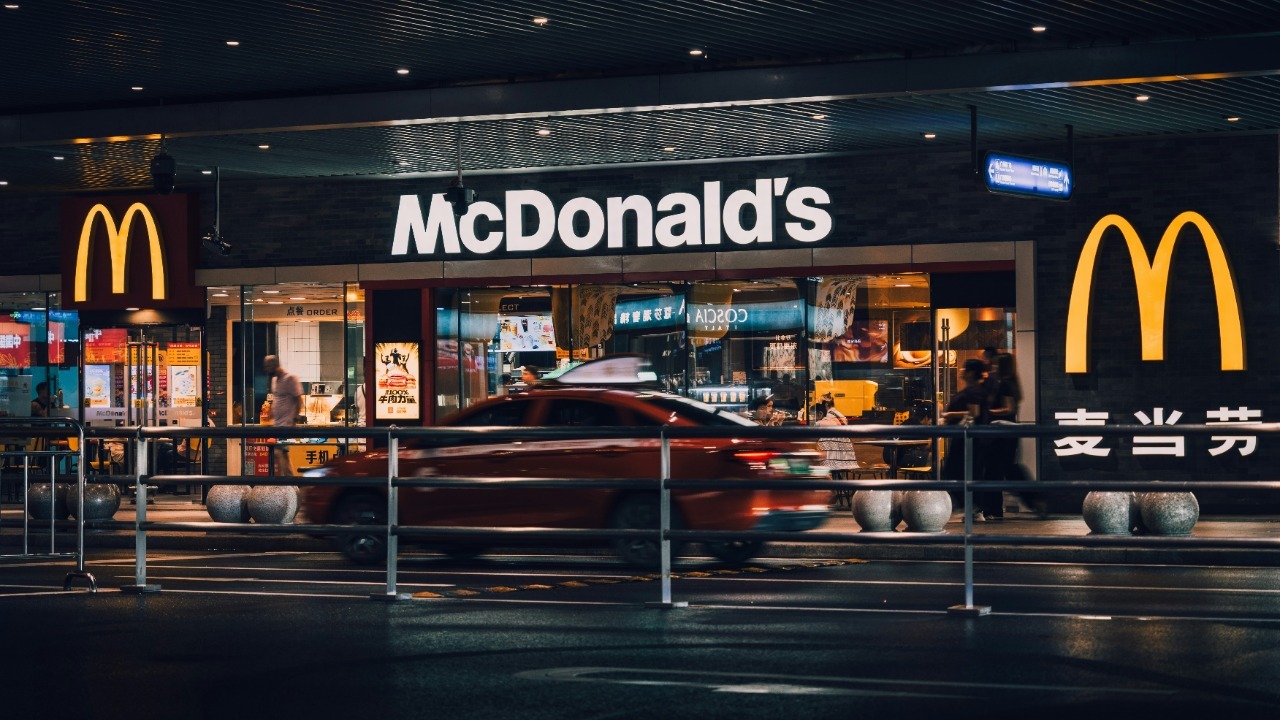
Recently, McDonald’s has found itself in the center of a significant boycott initiated by consumers and advocacy groups. This boycott is primarily in response to the company’s alleged rollback on Diversity, Equity, and Inclusion (DEI) initiatives, sparking widespread public disapproval. The reasons behind the boycott, its potential impacts on the brand, and how McDonald’s has responded to the backlash are topics of considerable interest.
The Origins of the Boycott
Rollback on DEI Initiatives
McDonald’s has come under fire after claims surfaced that it is scaling back its commitments to Diversity, Equity, and Inclusion (DEI). According to a USA Today report, the company announced plans to reduce its DEI initiatives, which many see as a step backward in promoting workplace diversity and inclusion. Discussions on platforms like Reddit have played a significant role in bringing this issue to the forefront, as users share concerns and mobilize efforts to hold McDonald’s accountable.
Historical Context of McDonald’s Boycotts
McDonald’s is no stranger to public boycotts. Over the years, the company has faced several protests and consumer-led actions. These have ranged from environmental concerns to labor practices. For instance, a Geekspin article highlights a previous national boycott in which McDonald’s and other major corporations were urged to address various social issues. Such historical context underscores the recurring scrutiny McDonald’s faces as a global brand.
Public Reaction and Social Media Influence
The role of social media in amplifying calls for this boycott cannot be underestimated. Platforms like Twitter and Instagram have been instrumental in spreading awareness and rallying support. Influential figures and everyday consumers alike have used these platforms to express their dissatisfaction, which has significantly increased pressure on McDonald’s to address the concerns. The Reddit community has also been active in discussing the implications of the DEI rollback, further fueling the boycott movement.
Impact on McDonald’s Brand and Operations
Consumer Trust and Brand Image
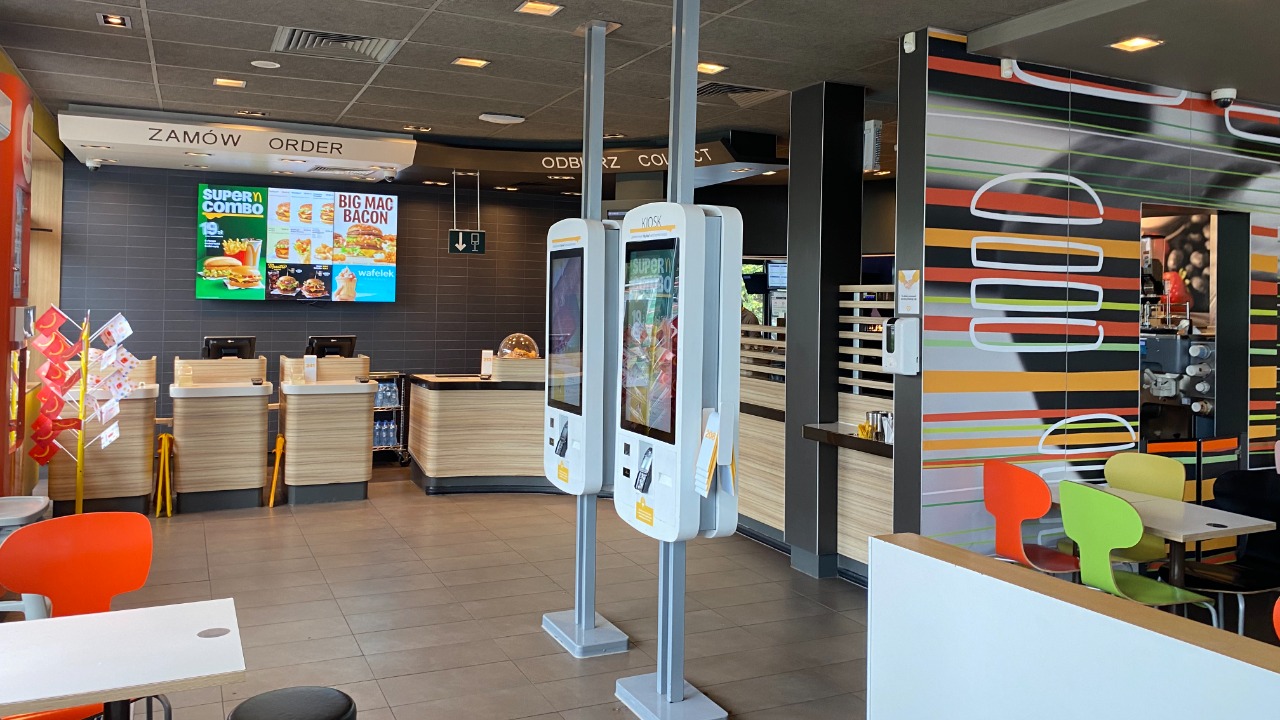
The current boycott poses a significant threat to McDonald’s consumer trust and brand image. According to an Emerald study, brand reputation is closely tied to a company’s social and ethical commitments. As consumers increasingly prioritize corporate responsibility, any perceived backtracking on DEI initiatives could erode trust and lead to long-term reputational damage.
Financial Implications
Financial repercussions are another concern for McDonald’s amidst this boycott. If the movement gains more traction, there could be a noticeable impact on sales and stock performance. Boycotts often lead to decreased consumer spending, which can result in lower quarterly earnings and affect stock prices. Investors are likely keeping a close eye on how this situation unfolds, as their confidence in the company’s financial stability could be shaken.
Operational Challenges
In addition to financial impacts, McDonald’s might face logistical and operational challenges. Similar past experiences have shown that boycotts can disrupt supply chains and affect day-to-day operations. The company may need to allocate additional resources to manage these disruptions and ensure that its operations continue smoothly, despite the external pressures.
Responses from McDonald’s and Stakeholders

Official Statements and Measures
In response to the boycott, McDonald’s has issued official statements aiming to clarify its position on DEI and address public concerns. The company maintains that it remains committed to diversity and inclusion, although specific measures to counter the backlash have been limited. The company’s communication strategy will be crucial in regaining public trust and mitigating the boycott’s impacts.
Stakeholder Reactions
Reactions from stakeholders, including investors, employees, and DEI advocates, have been mixed. Many investors are concerned about the potential financial implications and have urged the company to take more robust action. Employees, particularly those involved in DEI efforts, have expressed disappointment and uncertainty about the future of these initiatives. DEI advocates, as noted in a MDPI article, have called for more transparency and accountability from McDonald’s.
Comparisons with Competitors
McDonald’s handling of the boycott has drawn comparisons with its competitors, such as Walmart, which have faced similar challenges. While some competitors have managed to navigate these issues by reinforcing their DEI commitments, McDonald’s approach has been criticized for lacking clarity and decisiveness. These comparisons highlight the varying strategies companies employ in addressing DEI-related challenges.
Long-term Implications for Corporate DEI Policies
Evolving Corporate DEI Standards
The ongoing boycott could have broader implications for DEI standards across the fast-food industry and corporate America. Companies may need to reassess their commitments to diversity and inclusion to align with evolving public expectations. This shift could lead to more comprehensive policies that prioritize genuine engagement with DEI principles rather than superficial compliance.
Lessons Learned for Corporations
Corporations can learn valuable lessons from McDonald’s current predicament. Effective management of DEI commitments requires transparency, accountability, and a proactive approach to stakeholder engagement. As companies navigate these challenges, they must recognize the importance of maintaining consumer trust and upholding ethical standards to avoid similar boycotts in the future.
Future of Corporate Social Responsibility
The expectations for corporate social responsibility continue to evolve, with increasing emphasis on DEI. Companies are expected to demonstrate a genuine commitment to these values, not just through policy statements but through tangible actions and measurable outcomes. As noted in the MDPI journal, the future of corporate responsibility will likely involve more rigorous scrutiny from consumers and advocacy groups, making it imperative for companies to adapt and innovate their DEI strategies.

Grant Mercer covers market dynamics, business trends, and the economic forces driving growth across industries. His analysis connects macro movements with real-world implications for investors, entrepreneurs, and professionals. Through his work at The Daily Overview, Grant helps readers understand how markets function and where opportunities may emerge.