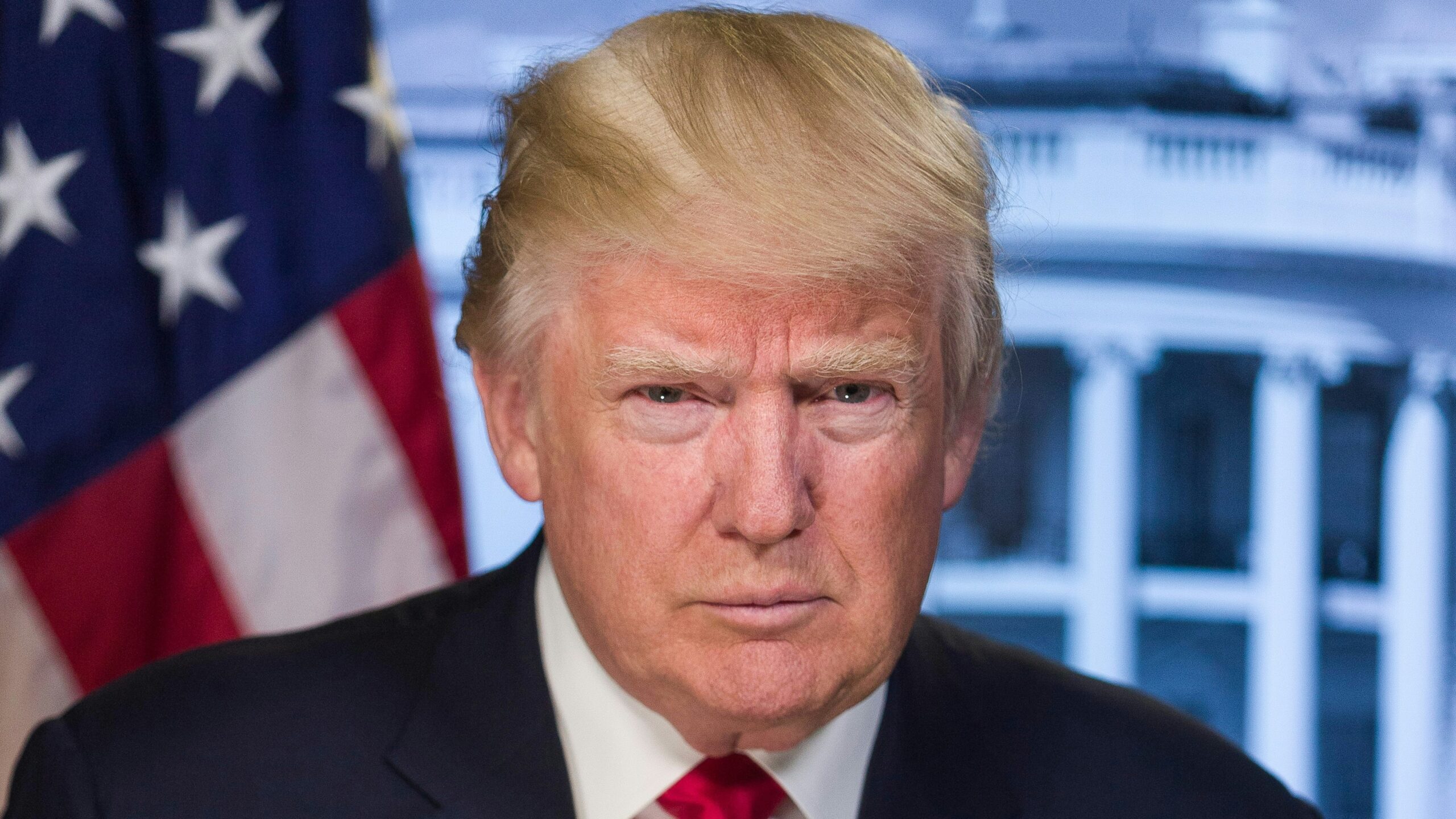
French wine and spirits producers are discovering how quickly a prized export can turn into collateral damage in a geopolitical fight. After President Donald Trump imposed 15 per cent tariffs on French bottles, exports to the United States fell 21 percent and overall shipments dropped 8 percent, the steepest volume decline in at least a quarter century. The shock has been amplified by Beijing’s anti-dumping probe into European brandy, leaving French sellers squeezed between two of their most important markets at once.
The result is a stress test for one of France’s most globalised industries and a revealing case study in how modern protectionism ricochets through supply chains. I see three big questions emerging: how deep the damage runs, how much of it is really about tariffs rather than broader economic anxiety, and whether the current standoff will ultimately push French producers into a more resilient, diversified future.
Tariffs bite into a flagship export
The headline numbers are stark. Exports of French wine and spirits to the United States slumped by 21 percent, while global volumes dropped 8 percent, a blow that industry leaders describe as the worst in at least 25 years. According to the French Federation of Wine and Spirits Exporters, known as FEVS, the United States had been the single largest foreign market, so a double digit fall there reverberates from Bordeaux châteaux to small Champagne houses.
Those figures are not happening in a vacuum. The 15 per cent duties that President Donald Trump applied to French wine and spirits have raised shelf prices for American consumers and squeezed margins for importers, distributors and restaurants that built their lists around French labels. FEVS has warned that the combination of higher tariffs and softer demand is eroding the profitability of exporters, a trend reflected in the federation’s own exports data.
China’s parallel squeeze on brandy
If the United States is turning into a tougher market, mainland China is no safe harbour either. Spirits exports fell 17.4%, a plunge that industry officials directly link to Chinese anti-dumping measures targeting European brandy. Beijing launched an investigation into EU brandy after the bloc opened a probe into Chinese electric vehicle subsidies, tying French cognac and other high end spirits to a dispute that began in the car sector.
The timing could hardly be worse for French producers who had spent years cultivating Chinese drinkers as a counterweight to slower growth in Europe. Reports from Chinese markets describe a sharp pullback in orders as importers brace for potential duties and consumers grow more cautious. That chill is visible in the broader numbers, with French wine and spirits exports falling to their lowest volume in at least 25 years as both US tariffs and Chinese measures take hold.
Beyond tariffs: demand shock and shifting tastes
It would be easy to blame every lost case of Bordeaux on customs paperwork, but the story is more complicated. Economic uncertainty is weighing on consumer confidence in both the United States and China, and premium alcohol is one of the first discretionary purchases to be trimmed when households feel squeezed. Industry executives point to slower sales of high end bottles even in markets without new trade barriers, a sign that the sector is facing a cyclical demand shock as well as a policy one.
At the same time, drinkers are changing what they buy. Younger consumers in particular are experimenting with craft spirits, no and low alcohol options and local wines, which makes it harder for traditional French appellations to simply pass higher prices through to the end customer. Analysts quoted in industry briefings argue that tariffs are amplifying a pre existing shift rather than creating it from scratch, forcing producers to compete not just on heritage but on value and innovation.
Escalation risks: the 200% tariff threat
As damaging as the current 15 per cent duties are, the bigger risk now is escalation. In Jan, President Donald Trump publicly threatened to hit French wines and champagnes with a 200% tariff, explicitly framing the move as leverage over French Pre Emmanuel Macron on a range of disputes. A jump of that magnitude would effectively price many French bottles out of the US mass market, turning what is now a painful squeeze into a near total shutdown for some exporters.
The threat has already injected fresh uncertainty into long term contracts, with American importers reluctant to commit to large volumes that could become unsellable overnight. Video remarks circulating from Trump’s speeches have been closely parsed in French trade circles for any hint of timing or conditions, but so far the message is blunt: tariffs are a political tool and wine is fair game. That posture mirrors Beijing’s willingness to weaponise brandy in response to European EV scrutiny, turning the French drinks sector into a convenient pressure point for both capitals.
Collateral damage and regional fault lines
Behind the national export figures lie sharp regional disparities. Cognac houses in western France are particularly exposed to the Chinese market and therefore to Beijing’s anti-dumping probe, while Champagne producers face the double risk of existing US tariffs and the looming 200% threat. Smaller appellations that rely on niche US importers, from Loire Valley whites to Languedoc reds, have less financial cushion than global brands and are already reporting cancelled orders and delayed payments.
Trade groups in PARIS have warned that the downturn could ripple into rural employment, from vineyard workers to cooperages and logistics firms that depend on steady export flows. Statements attributed to FEVS leadership stress that the sector is not asking for special treatment so much as predictable rules, arguing that sudden tariff hikes make it impossible to plan investments in vineyards that take years to bear fruit. When a single policy announcement can wipe out a vintage’s profit margin, long term strategy starts to look like guesswork.
More From The Daily Overview
*This article was researched with the help of AI, with human editors creating the final content.

Grant Mercer covers market dynamics, business trends, and the economic forces driving growth across industries. His analysis connects macro movements with real-world implications for investors, entrepreneurs, and professionals. Through his work at The Daily Overview, Grant helps readers understand how markets function and where opportunities may emerge.

