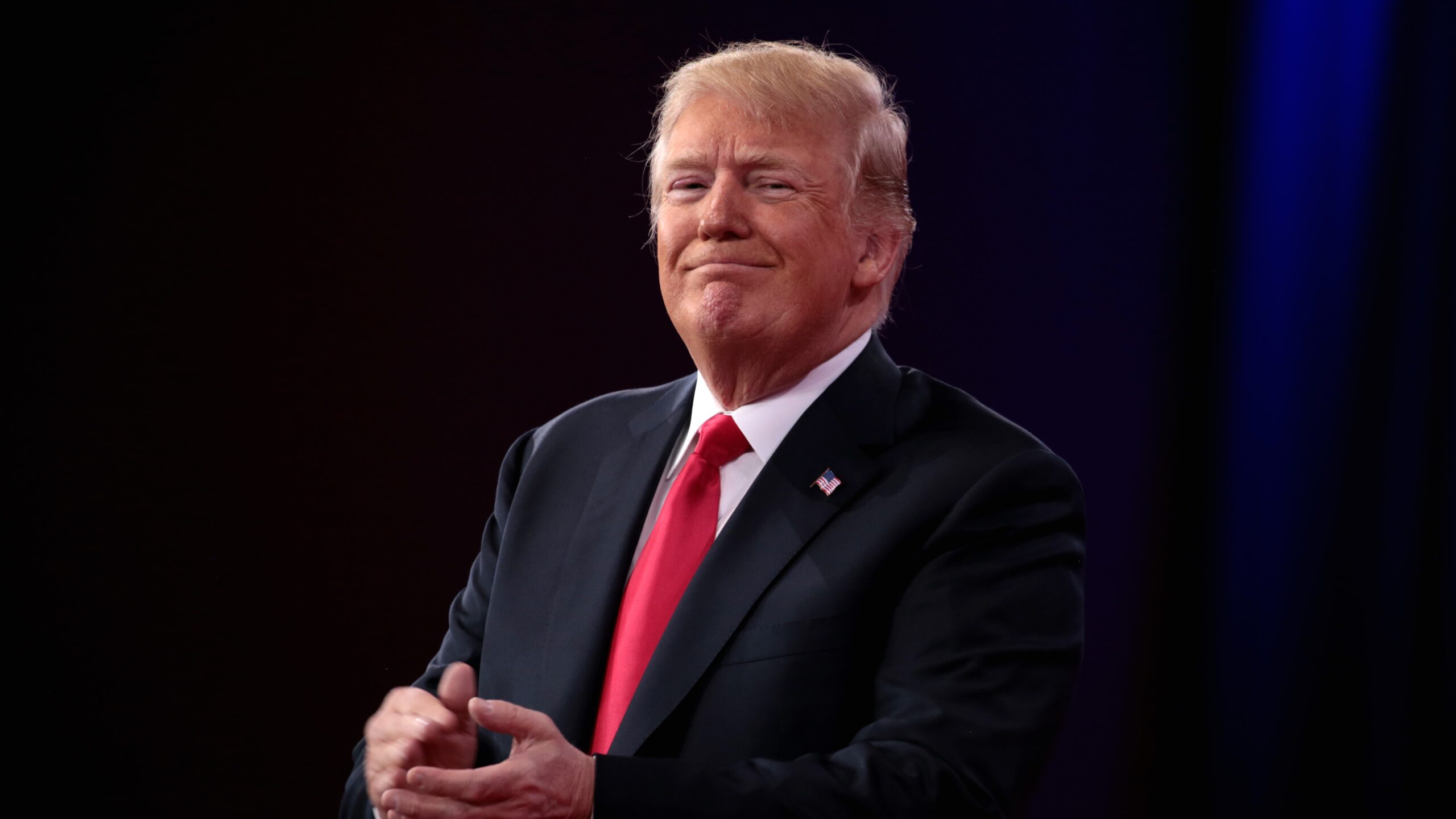
Donald Trump has made tariffs and trade wars central to his economic brand, pitching them as a way to protect American workers and industries. An analysis by the Congressional Budget Office (CBO), described on an official U.S. Senate Budget Committee page, points in a different direction and warns that tariff-heavy policy can raise prices and slow growth for ordinary households.
The data described in that Senate summary show that tariffs act much like a sales tax on imported goods. As those extra costs move through supply chains, they do not stay on company balance sheets; they show up in the price of groceries, electronics, and car repairs that families pay every month.
What the CBO actually examined
The political debate often treats tariffs as a simple bargaining tool, but the CBO treated them as a measurable policy choice. At the request of Senate budget leaders, the agency examined the economic effects of tariffs that were in place as of May 13, 2025, a group of measures widely linked to Trump’s trade agenda, and the Senate summary describes this as a formal analysis of how those tariffs affect prices, growth, and household costs over time.
The committee’s description makes clear that the CBO focused on tariffs that were already law by May 13, 2025, rather than on future campaign proposals. That framing ties the findings to concrete policy instead of guesswork about what might come next, and it allows the summary to report specific conclusions on inflation, economic growth, and direct costs to families rather than vague warnings about trade tensions.
Tariffs as an inflation engine
Viewed as taxes on imports, tariffs have a more obvious inflation impact. Import duties raise the cost of bringing goods into the country, and businesses often respond by passing at least part of that cost on to consumers, which is why the Senate Budget Committee notes that these Trump-era tariffs will hurt economic growth and boost inflation compared with a world without them.
Inflation is not just an abstract index; it is the difference between paying cash for school clothes and putting the bill on a credit card. By reporting that these tariffs will raise costs to families, the Senate summary of the CBO work indicates that the government has added a new layer of expense between paychecks and everyday essentials, from food that relies on imported ingredients to electronics assembled abroad.
How higher prices hit your wallet
For a typical household, tariffs appear not as a line item labeled “trade policy” but as a string of small price increases. A smartphone assembled overseas with imported components includes tariff costs in its parts, shipping, and final assembly, and clothing that uses foreign textiles faces similar pressures, so the Senate committee’s description that tariffs will raise costs to families suggests that these added expenses pile up across dozens of purchases in a single year.
Because tariffs apply to imported goods no matter who buys them, they function like a flat consumption tax that tends to be regressive. Households with lower incomes spend a larger share of their pay on goods and have less room to switch away from tariff-affected products, so the burden of higher prices falls more heavily on them than on wealthier households that can more easily absorb or avoid the extra costs.
Growth trade-offs behind “America First”
Trump has often framed tariffs as a tool to revive American industry, but the CBO findings, as relayed by the Senate Budget Committee, point to a trade-off between that goal and overall economic performance. The summary states that these tariffs will hurt economic growth, reflecting how higher trade barriers can dampen investment, reduce trade volumes, and disrupt supply chains in ways that weigh on productivity and long-run output.
There is also a gap between the political branding of tariffs and how they work in practice. “America First” rhetoric suggests that foreign producers will shoulder most of the pain, yet the Senate-linked summary stresses that tariffs raise costs to families at home, so the policy acts less like a narrow penalty on overseas rivals and more like a broad tax on American consumption that can leave wages growing more slowly while prices climb faster.
Why this inflation risk is different now
Supporters sometimes argue that the United States has used tariffs before and the economy still grew, but the CBO work described by the Senate Budget Committee places the current measures in a different setting. The tariffs examined were in place as of May 13, 2025, after a period when inflation had already surged and then started to ease, so policies that the CBO expects will boost inflation and hurt economic growth could make it harder for the Federal Reserve and other policymakers to keep price gains under control without causing a downturn.
Another difference is how tightly global supply chains are now linked. Many goods labeled “Made in USA” still rely on imported parts, so tariffs can raise costs inside domestic factories as well as on store shelves, and the Senate summary, which highlights that these tariffs will raise costs to families and reduce growth, points to a broad reach across sectors rather than a narrow impact on a few product lines.
More From The Daily Overview
*This article was researched with the help of AI, with human editors creating the final content.

Grant Mercer covers market dynamics, business trends, and the economic forces driving growth across industries. His analysis connects macro movements with real-world implications for investors, entrepreneurs, and professionals. Through his work at The Daily Overview, Grant helps readers understand how markets function and where opportunities may emerge.

