
President-elect Donald Trump’s announcement to pardon Binance founder Changpeng “CZ” Zhao marks a pivotal moment for the cryptocurrency landscape in the United States. Zhao, who recently completed a four-month prison sentence for violating U.S. anti-money laundering laws, could significantly influence the direction of crypto regulation as he resumes his activities from the United Arab Emirates. This move aligns with Trump’s broader agenda to transform the U.S. into a global hub for cryptocurrency innovation.
Background on CZ’s Legal Troubles
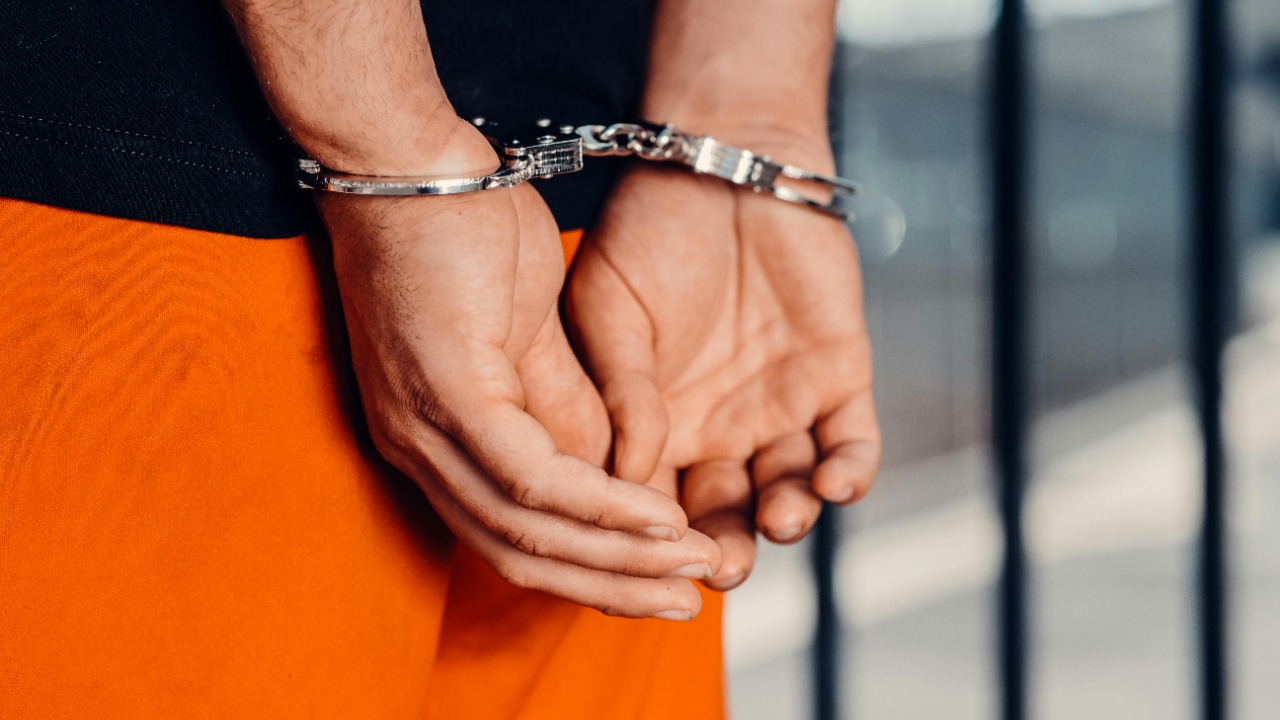
Changpeng Zhao’s legal issues began when he pleaded guilty to a charge of violating the Bank Secrecy Act on November 21, 2023. The U.S. Department of Justice reported that Zhao failed to implement an effective anti-money laundering program at Binance, leading to a substantial $4.3 billion fine for the company and a personal penalty of $50 million for Zhao. As part of the settlement, Binance agreed to a three-year supervision by an independent monitor, underscoring the seriousness of the compliance failures.
Following his guilty plea, Zhao was sentenced on April 30, 2024, to four months in a low-security federal prison in California. However, he was released early on September 27, 2024, due to good behavior credits, having served less than half of his original sentence. This early release has not diminished the impact of his conviction, but Trump’s pardon could potentially rehabilitate Zhao’s reputation and influence in the crypto industry.
Trump’s Crypto Agenda and Pardon Rationale
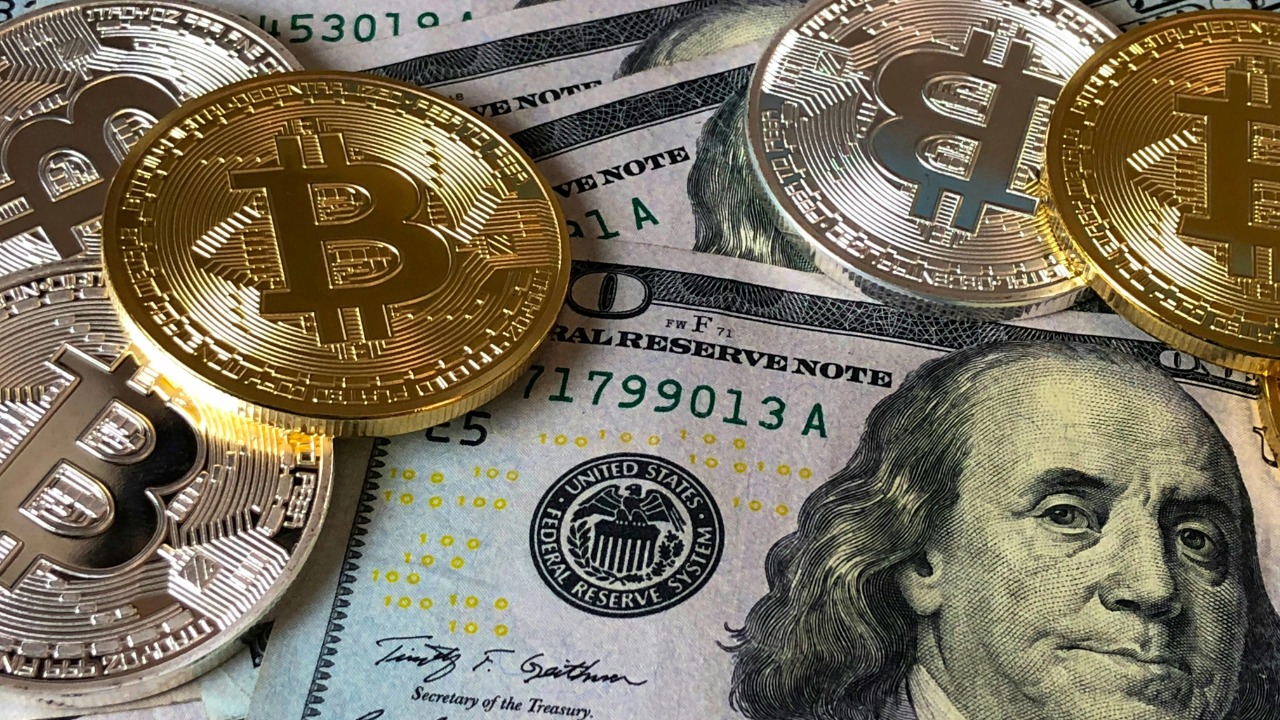
Donald Trump’s campaign during the 2024 election prominently featured his vision to establish the U.S. as the “crypto capital of the planet.” His plans included replacing SEC Chair Gary Gensler and ending what he described as a “war on crypto.” The announcement of Zhao’s pardon fits within this framework, as Trump argued on Truth Social that Zhao’s punishment was “unfair” and that the pardon would encourage innovation. This approach is further reflected in Trump’s choice of crypto-friendly appointees, such as Paul Atkins for the SEC.
The legal basis for Trump’s pardon is straightforward, as it pertains to federal convictions like Zhao’s. Once inaugurated on January 20, 2025, Trump can issue the pardon without needing congressional approval. This move is expected to signal a shift in federal crypto policy, potentially easing regulatory pressures on the industry.
Implications for the Crypto Industry

The pardon of Changpeng Zhao could have far-reaching implications for the cryptocurrency sector in the United States. By reducing fears of aggressive enforcement, it may encourage other major exchanges like Coinbase and Kraken to expand their operations domestically. This could lead to a significant boost in market capitalization, which already reached $3.2 trillion following Trump’s election victory.
Post-release, Zhao has announced plans to advise on Trump’s proposed Strategic Bitcoin Reserve and has committed to a $2 billion investment in American AI and crypto infrastructure. These initiatives could further cement the U.S. as a leader in the crypto space. However, challenges remain, including ongoing civil lawsuits against Binance by states like New York and potential political backlash over money laundering concerns linked to entities such as Hamas, as highlighted in congressional reports. These issues underscore the complex landscape that the crypto industry must navigate in the coming years.
More From TheDailyOverview
- Dave Ramsey warns to stop 401(k) contributions
- 11 night jobs you can do from home (not exciting but steady)
- Small U.S. cities ready to boom next
- 19 things boomers should never sell no matter what

Julian Harrow specializes in taxation, IRS rules, and compliance strategy. His work helps readers navigate complex tax codes, deadlines, and reporting requirements while identifying opportunities for efficiency and risk reduction. At The Daily Overview, Julian breaks down tax-related topics with precision and clarity, making a traditionally dense subject easier to understand.

