
Recent trade agreements brokered by President Donald Trump have captured attention with their impressive numerical outcomes. However, upon closer inspection, these deals often lack the detailed framework necessary to ensure long-term economic benefits and stability. There are notable discrepancies between the projected benefits and the underlying specifics of Trump’s trade policies.
The Allure of Big Numbers
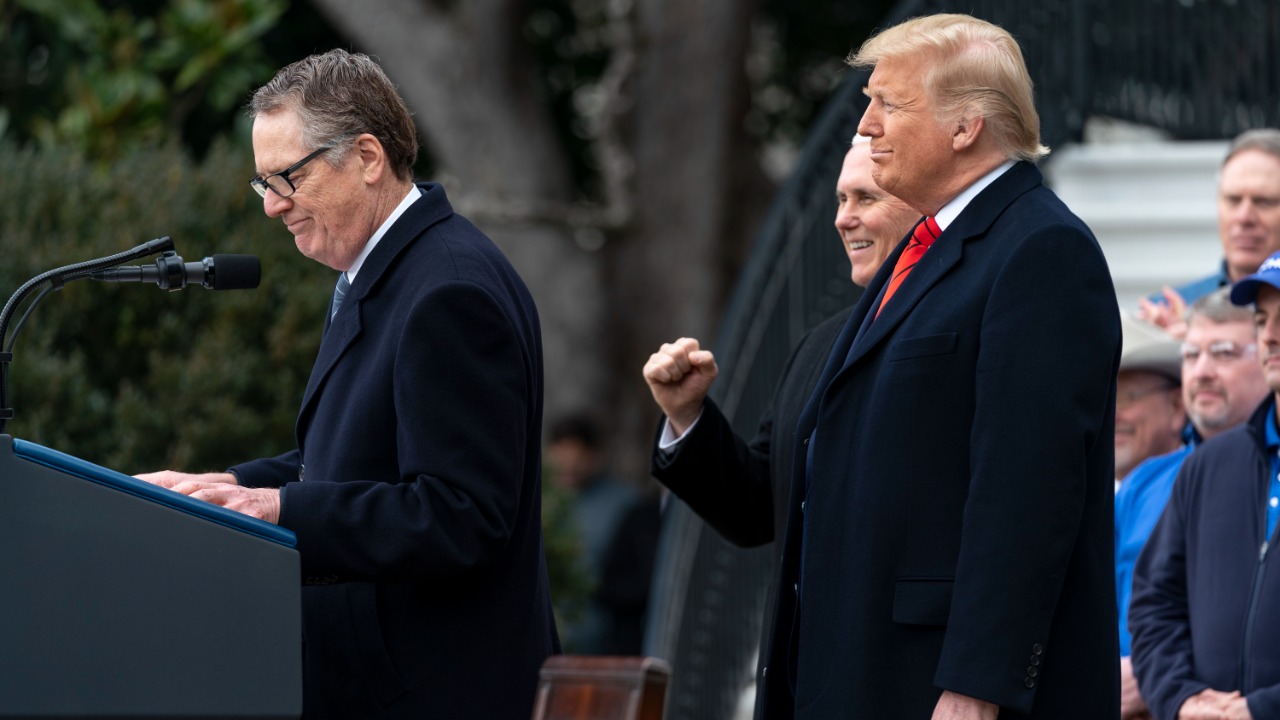
The allure of big numbers in Trump’s trade deals is undeniable. Headline figures often boast billions in economic benefits, creating an initial appeal that is hard to ignore. These numbers were not just economic markers but also political tools, strategically used to gain leverage and public approval. For instance, the revised NAFTA, known as the USMCA, was promoted with the promise of significant economic gains, despite mixed reviews on its actual impact.
Trump’s approach to trade negotiations marked a departure from previous administrations. While past U.S. trade policies often focused on long-term strategic partnerships, the Trump administration prioritized immediate economic gains. This focus on big numbers was a stark contrast to the detailed policy frameworks seen in prior deals, such as those under the Obama administration, which emphasized comprehensive trade relations over headline figures.
The Missing Details
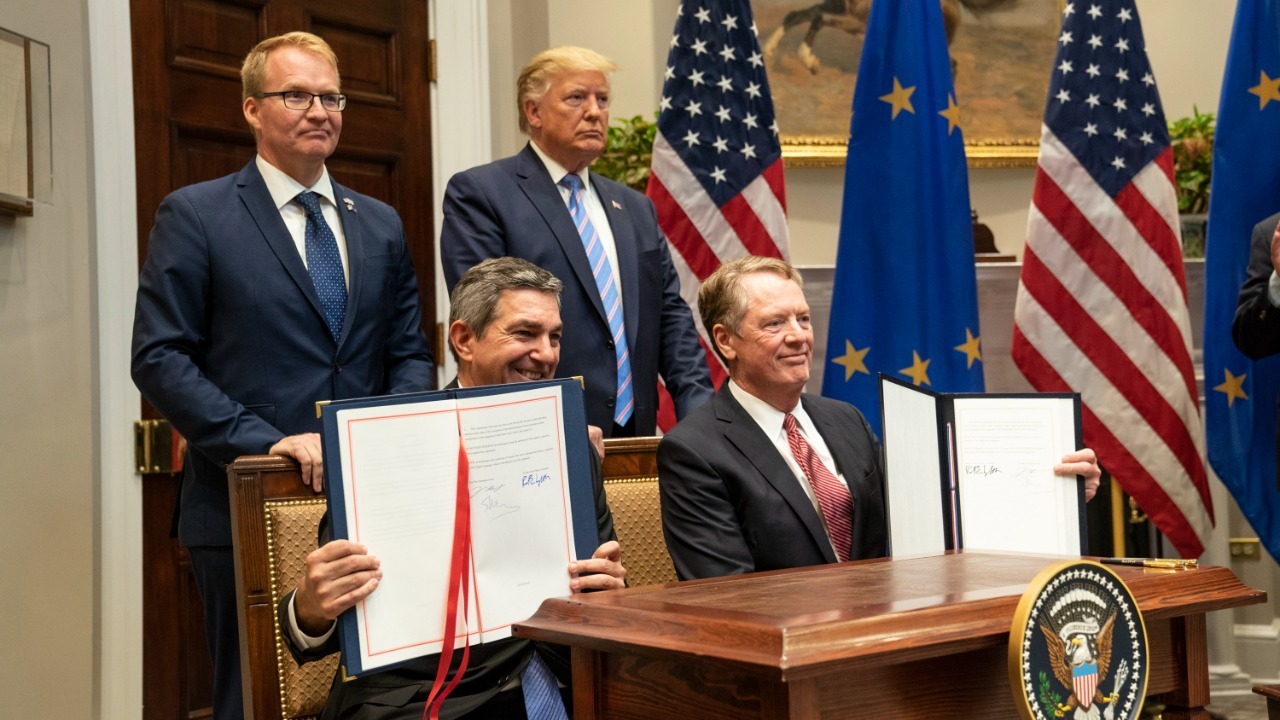
One significant issue with Trump’s trade deals is the lack of implementation plans. Despite the impressive figures touted, there is often an absence of detailed strategies for how these agreements will be put into practice. This lack of clarity is particularly evident in the trade agreements with China, where specific implementation details were sparse, leading to uncertainty in execution.
Furthermore, the ambiguity in the terms and conditions of these deals creates uncertainty and potential loopholes, affecting various sectors differently. For instance, the agriculture industry faced challenges due to unclear terms in the trade agreements with the European Union. This lack of specificity resulted in uneven economic outcomes, where some sectors benefited while others struggled to find clarity in the agreements.
Economic Implications
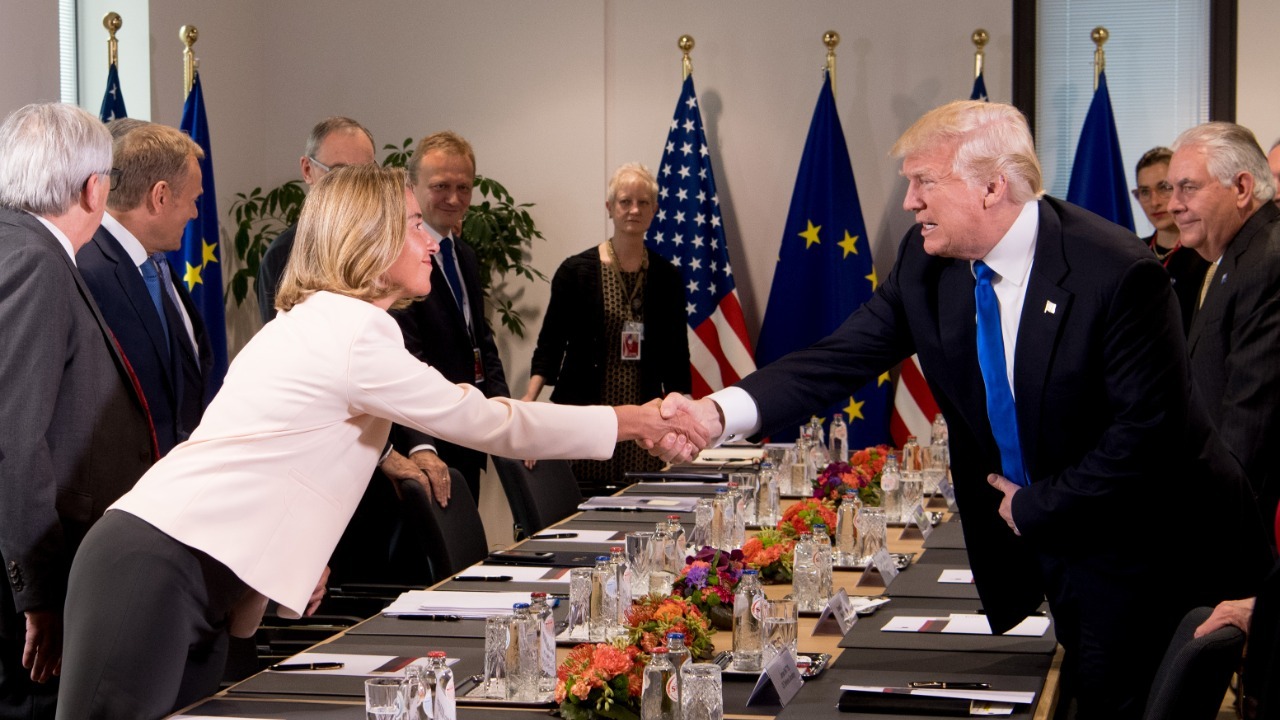
The economic implications of these trade deals are multifaceted. While there may be short-term gains, the long-term sustainability of these benefits is questionable due to insufficient planning. The immediate boosts often overshadow the potential drawbacks, such as increased tariffs or retaliatory measures from international partners. The EU trade deal highlighted these issues, with European countries expressing concerns over the lack of detailed planning.
International partners have reacted cautiously to the lack of detail in Trump’s trade agreements. Many countries perceive this as a signal of potential instability in bilateral relations. This perception raises the likelihood of future renegotiations to address the shortcomings of these deals, which could lead to further economic implications for all parties involved.
Critics and Supporters

Critics of Trump’s trade agreements, including economists, have voiced concerns about the effectiveness of these deals. Many argue that the lack of detailed planning undermines their potential benefits. On the other hand, political supporters maintain that the deals are beneficial despite their shortcomings, citing the immediate economic boosts and increased leverage on the global stage.
Case studies of specific deals, such as the trade agreement with Japan, exemplify the divide between critics and proponents. While some view the agreement as beneficial for certain industries, others highlight the absence of detailed strategies and the potential for long-term economic challenges. These perspectives underscore the ongoing debate surrounding the efficacy of Trump’s trade policies and their impact on the U.S. economy.

Grant Mercer covers market dynamics, business trends, and the economic forces driving growth across industries. His analysis connects macro movements with real-world implications for investors, entrepreneurs, and professionals. Through his work at The Daily Overview, Grant helps readers understand how markets function and where opportunities may emerge.

