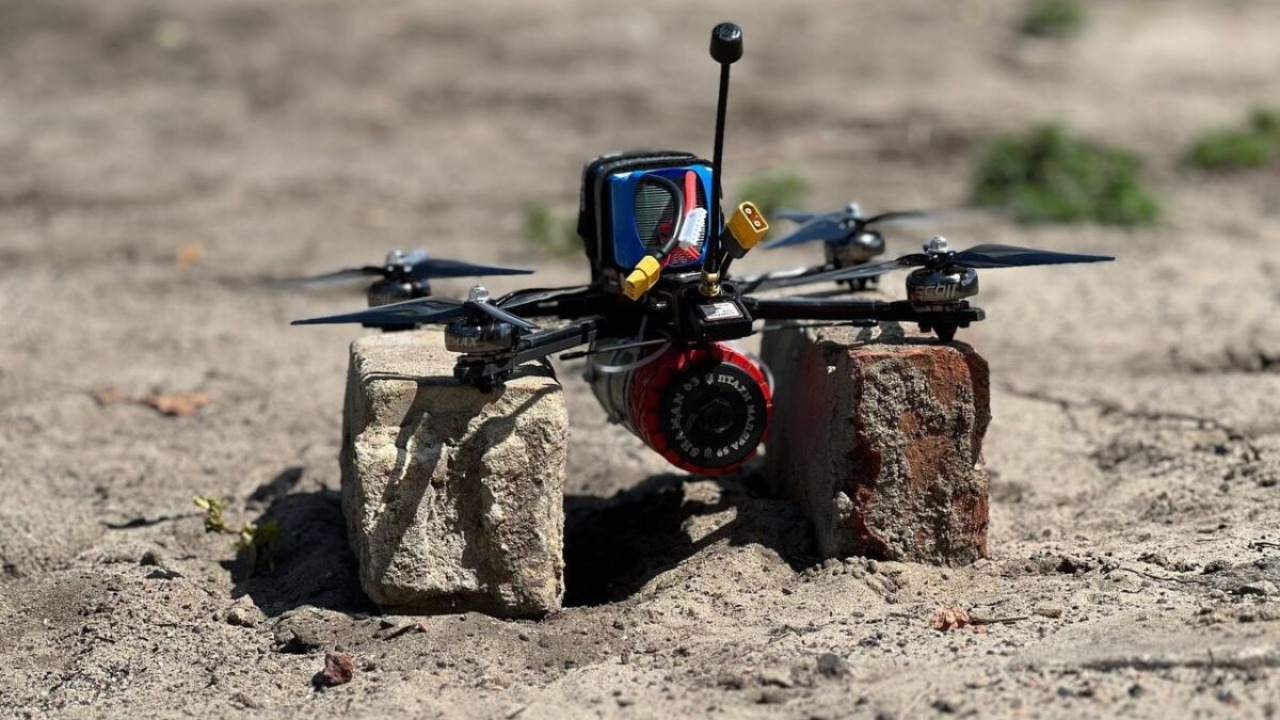
Ukraine’s drone warfare campaign has delivered a significant blow to Russian air defenses, resulting in $90 million in losses over the past month. This marks a substantial escalation in the conflict, with Ukrainian military officials labeling it as Moscow’s most severe setback in aerial defense to date. Among the most notable incidents, a $50 million S-400 Triumf system was destroyed near Belgorod, and a $40 million Pantsir-S1 battery was eliminated near Kursk. These attacks, confirmed by satellite imagery, highlight vulnerabilities in Russia’s frontline defenses, as reported by the Institute for the Study of War.
Breakdown of the $90 Million Losses
The destruction of the S-400 Triumf system near Belgorod on October 15 represents a significant portion of the $90 million loss. This system, valued at $50 million, was a critical component of Russia’s air defense, featuring advanced radar components and launchers. Satellite imagery from Maxar Technologies confirmed the obliteration of this asset, underscoring the precision and effectiveness of the Ukrainian drone strikes.
On October 20, the Pantsir-S1 battery near Kursk was targeted, resulting in a $40 million loss for Russia. The strike was executed with remarkable precision, disabling the battery’s missile launchers and command vehicle. This operation was detailed in reports from the Ukrainian General Staff, which highlighted the strategic impact of the attack. Together, these incidents contribute to the total $90 million estimate, as assessed by the Royal United Services Institute, which considered the replacement costs of the destroyed equipment.
Key Incidents and Tactical Details
The strike on the S-400 system near Belgorod was a tactical masterpiece. Ukrainian FPV drones managed to evade Russian detection systems, targeting the S-400’s 92N6E Grave Stone radar. This operation was recounted by a Ukrainian Air Force pilot, who detailed the drones’ ability to bypass initial defenses and deliver a crippling blow to the radar system. This incident underscores the evolving nature of drone warfare and its potential to disrupt even the most sophisticated defense systems.
Similarly, the attack on the Pantsir-S1 near Kursk involved the use of loitering munitions, which successfully targeted the 1RS1-1ME radar. Footage released by Ukraine’s Special Operations Forces showcased the precision of the strike, which effectively neutralized the battery’s capabilities. The use of decoy drones played a crucial role in both operations, overwhelming Russian electronic warfare systems, as analyzed by the International Institute for Strategic Studies.
Strategic Impact on Russian Defenses
The loss of the S-400 system near Belgorod has created a significant gap in Russia’s radar coverage, estimated at 50 kilometers, over the border region. This vulnerability was highlighted by OSINT analysts at Oryx, who noted the strategic implications of this gap for Russian defense operations. The absence of this critical system leaves the region exposed to further Ukrainian attacks, complicating Russia’s ability to maintain air superiority.
The destruction of the Pantsir-S1 battery near Kursk has similarly impacted Russian military operations, particularly in protecting supply lines. The increased vulnerability of convoys in the area has been noted in a British Ministry of Defence update, which emphasized the challenges Russia faces in securing its logistical routes. The broader implications of these losses include Russia’s need to redeploy air defense systems from other fronts, as reported by Jane’s Defence Weekly, highlighting the strain on Russian military resources.
Ukrainian Perspectives and Future Outlook
Ukrainian Defense Minister Oleksii Reznikov has described these drone strikes as a “turning point” in the conflict, claiming they have degraded 15% of Russia’s western air defense network. This statement, made during his October 22 press briefing, reflects the strategic significance of these operations for Ukraine. The ability to inflict such substantial damage on Russian defenses marks a shift in the balance of power, providing Ukraine with a tactical advantage.
The Ukrainian Security Service has claimed that over 200 drones were involved in these operations throughout the month, as detailed in their official statement. This extensive use of drone technology demonstrates Ukraine’s commitment to leveraging advanced warfare tactics to counter Russian aggression. In response, Russia has reportedly vowed to enhance its jamming technology, as indicated by a Kremlin spokesperson’s remark on October 25, signaling a potential escalation in the technological arms race between the two nations.
More From TheDailyOverview
- Dave Ramsey says these two simple questions show whether you’re rich or poor
- Retired But Want To Work? Try These 18 Jobs for Seniors That Pay Weekly
- IRS raises capital gains thresholds for 2026 and what’s new
- 12 ways to make $5,000 fast that actually work

Grant Mercer covers market dynamics, business trends, and the economic forces driving growth across industries. His analysis connects macro movements with real-world implications for investors, entrepreneurs, and professionals. Through his work at The Daily Overview, Grant helps readers understand how markets function and where opportunities may emerge.

