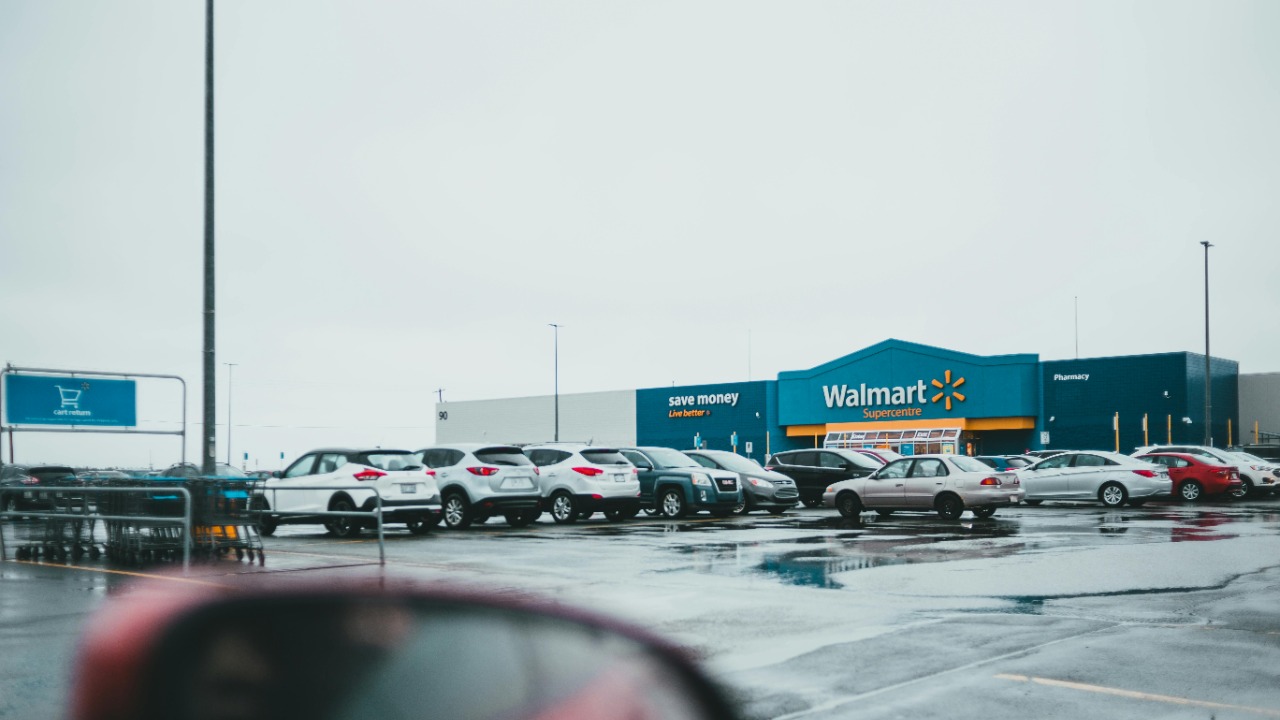
Walmart, the largest private employer in the United States with 2.1 million workers, is on the brink of a transformative journey as artificial intelligence (AI) begins to reshape its workforce. CEO Doug McMillon has highlighted the profound impact AI will have, stating that it will “change literally every job.” Despite these changes, McMillon is committed to maintaining the current workforce size to ensure that all employees can transition smoothly into this new era. The company is focusing on upskilling its workforce to adapt to these technological advancements without resorting to layoffs.
Walmart’s Massive Workforce Faces AI Disruption
As America’s largest private employer, Walmart’s integration of AI into its operations carries significant implications. With 2.1 million employees, the scale of this transformation is unprecedented. AI is set to impact various job roles, from automating inventory management to enhancing customer service and logistics. CEO Doug McMillon has emphasized that AI will “change literally every job,” underscoring the broad scope of this technological shift. The company’s vast workforce amplifies the urgency of preparing for an AI-driven future, as outlined in its recent strategic plans.
The integration of AI into Walmart’s operations is not just a technological upgrade but a fundamental shift in how the company functions. This change affects every aspect of the business, from store operations to corporate functions. The company’s commitment to preparing its workforce for these changes is crucial, given its status as the largest private employer in the U.S. The stakes are high, and the success of this transition could set a precedent for other large employers facing similar challenges.
CEO’s Vision for Worker Transition
Doug McMillon’s vision for Walmart’s workforce transition is centered on ensuring that “everybody makes it to the other side” of these AI-driven changes. His supportive approach to employee adaptation is evident in his commitment to maintaining current staffing levels, even as AI transforms job requirements. McMillon’s outlook on AI’s role in the workplace is clear: it will “change literally every job,” and this perspective informs the company’s strategies for navigating this transformation.
McMillon’s commitment to keeping the headcount flat reflects a strategic decision to balance technological advancement with workforce stability. By focusing on upskilling and retraining employees, Walmart aims to equip its workforce with the necessary skills to thrive in an AI-enhanced environment. This approach not only supports the company’s operational goals but also aligns with McMillon’s vision of a seamless transition for all employees.
Strategies for Preparing the Workforce
Walmart is actively implementing initiatives to upskill its 2.1 million employees in preparation for AI technologies. The company’s detailed plans focus on integrating AI tools into daily operations, ensuring that workers can adapt to changes without facing displacement. Training programs are being developed to help employees understand and utilize AI in their roles, fostering a culture of continuous learning and adaptation.
These preparations are closely aligned with McMillon’s vision of supporting employee transitions. By investing in training and development, Walmart is not only preparing its workforce for the future but also reinforcing its commitment to employee retention and growth. The company’s efforts to upskill its workforce demonstrate a proactive approach to managing the challenges and opportunities presented by AI.
Maintaining Stability Amid Job Changes
Walmart’s decision to keep headcount flat for now is a strategic move to balance AI adoption with workforce retention. This approach ensures that the company’s 2.1 million employees remain employed while adapting to new technologies. AI applications are expected to alter roles but not eliminate them, aligning with the forecast that AI will “change literally every job.”
The long-term implications for Walmart’s operations are significant. By preparing for an AI-driven future, the company is positioning itself to maintain sustained employment levels while enhancing operational efficiency. This strategy not only supports Walmart’s business objectives but also sets a benchmark for other companies navigating similar transitions in the age of AI.
More From TheDailyOverview
- Dave Ramsey says these two simple questions show whether you’re rich or poor
- Retired But Want To Work? Try These 18 Jobs for Seniors That Pay Weekly
- IRS raises capital gains thresholds for 2026 and what’s new
- 12 ways to make $5,000 fast that actually work

Grant Mercer covers market dynamics, business trends, and the economic forces driving growth across industries. His analysis connects macro movements with real-world implications for investors, entrepreneurs, and professionals. Through his work at The Daily Overview, Grant helps readers understand how markets function and where opportunities may emerge.