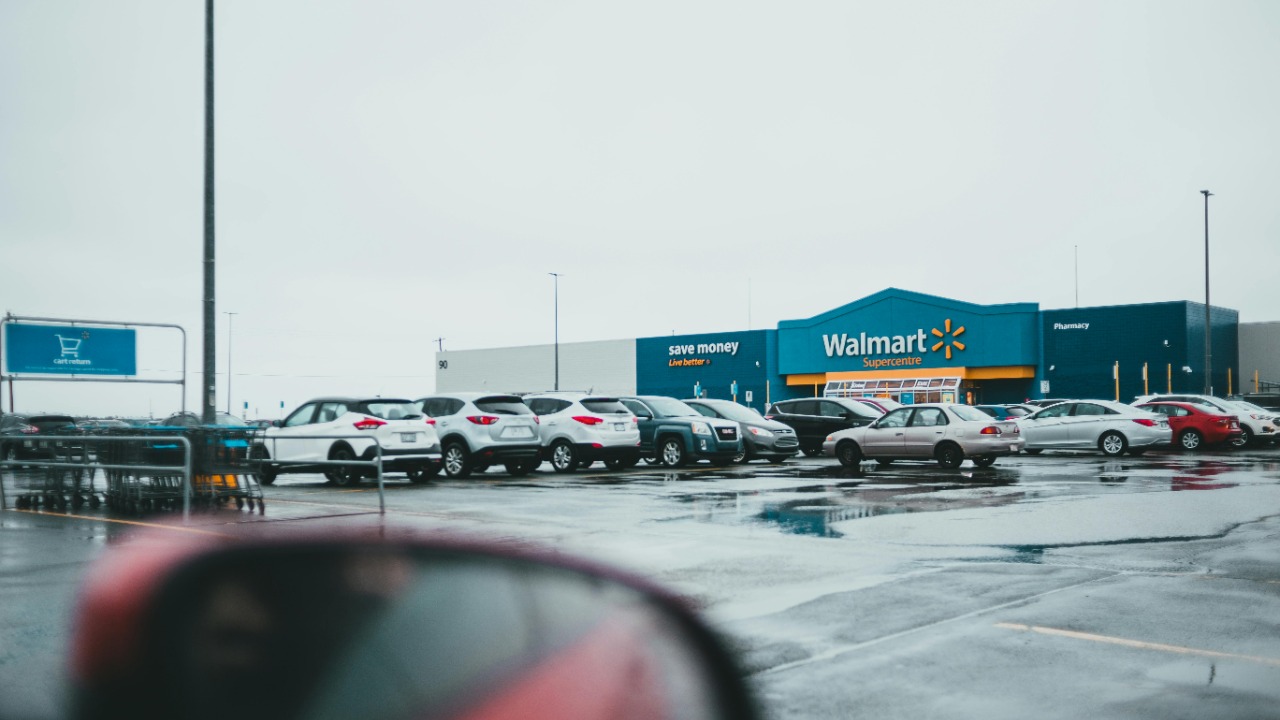
Walmart is quietly rewriting the rules of in-store automation, pulling back self-checkout in some locations while doubling down on smarter kiosks and mobile tools in others. The shift is rattling a retail sector that has spent years betting that more machines and fewer cashiers were the inevitable future of checkout. Instead of a one-way march toward full automation, the world’s largest retailer is signaling that the next phase will be selective, data driven, and far more contested.
What looks like a tactical tweak inside a few supercenters is, in practice, a strategic reset with implications for a $100 billion-plus ecosystem of hardware makers, software vendors, and rival chains. As I trace the pattern of removals, upgrades, and policy fights, a clear message emerges: self-checkout is not dead, but the era of treating it as a frictionless cure-all is over.
From pandemic darling to problem child
Self-serve kiosks exploded across big-box retail during COVID, when contactless shopping and labor shortages made touchscreens look like a simple answer to complex problems. Chains such as Walmart rolled out banks of machines that turned front ends into mini airports, while rivals like Target followed with their own self-scan zones. The model promised faster lines, lower staffing costs, and a tech-forward image that fit neatly with curbside pickup and app-based ordering. For a time, the machines delivered on that promise, especially for small-basket shoppers who valued speed over human interaction.
As the emergency phase of the pandemic faded, however, the tradeoffs became harder to ignore. Reports of higher shrink at unattended lanes, frustrated customers wrestling with weight sensors, and staff pulled away from other tasks to monitor kiosks began to pile up. In that context, Walmart’s decision to rethink its front-end layout, described as quietly backtracking on some self-serve installations after the COVID surge, reflects a broader realization that the technology’s costs and benefits are more finely balanced than early adopters assumed, a tension that is now reshaping how retailers deploy automation at scale.
Inside Walmart’s new self-checkout playbook
By 2025, Walmart is no longer treating self-checkout as a uniform solution that belongs in every store and every aisle. Instead of simply installing extra kiosks and leaving them to run, the company is tailoring its approach to local conditions, traffic patterns, and risk profiles, a shift captured in a detailed Walmart Self Checkout Strategy Overview. Some locations will still feature large self-checkout zones, others will keep only a handful of machines, and a growing number are reverting to staffed lanes for most transactions. The guiding principle is no longer “more kiosks everywhere,” but “the right mix for this specific box.”
Artificial intelligence is central to that recalibration. Walmart is using AI to run parts of its self-checkout estate, from smarter cameras and weight checks to dynamic decisions about how many kiosks stay open at a given time, as outlined in the updated Walmart Self Checkout strategy. That same framework emphasizes Scan & Go and other mobile tools as complements to kiosks, signaling that the future of checkout inside Walmart will be a blend of staffed registers, AI-assisted machines, and smartphone-based journeys rather than a single dominant format.
Where the machines are disappearing
The most visible sign of Walmart’s rethink is the outright removal of self-checkout in specific stores and regions. Two locations, one in St. Louis, Missouri, and another in Cleveland, Ohio, have scrapped the machines in favor of more traditional lanes, a shift detailed in coverage of Two stores that became early test beds. A separate account of front-end changes notes that Two more Walmart stores, again one in Louis, Missouri, and one in Cleveland, Ohio, are eliminating self-checkout and steering customers with 10 items or less into express staffed lanes, underscoring how the company is experimenting with different mixes even within the same metro areas.
Those high-profile reversals are part of a broader pattern. A closer look at Self Checkout Removals lists Shrewsbury, Cleveland, New Mexico, and Los Angeles among the markets where kiosks are being pulled or heavily reduced. At the same time, Walmart is continuing to remove self-checkout lanes from some Maryland stores in response to shoplifting, according to reporting on how Walmart is trimming kiosks as part of a loss-prevention push. Together, these moves show a company willing to unwind a decade of front-end design in markets where the math on theft, labor, and customer satisfaction no longer adds up.
Crime, calls, and the politics of shrink
Behind the layout changes sits a stark set of public safety and loss-prevention concerns. According to reporting that cites the Webster-Kirkwood Times, the Shrewsbury Police Department responded to 509 calls from the Walmart location in that Missouri suburb over a defined period, a volume that sharpened local scrutiny of self-checkout and its role in theft and disorder. That figure, highlighted in coverage of how According to the Webster Kirkwood Times, helped spur a sudden self-checkout decision at that store, illustrates why some local officials and residents now see unattended lanes as magnets for trouble rather than symbols of convenience.
At the policy level, Walmart is also pushing back against legislative efforts that would tighten penalties or rules around retail theft, arguing that self-checkout losses are already a significant burden. One detailed account of that fight notes that Target and Walmart Push Back on New Retail Theft Laws, Citing Self, Checkout Losses, with the companies warning that stores with high self-checkout usage can see shrink rates that far exceed the sub 1 percent levels typical of more controlled environments, a point captured in reporting from Ksst Radio. That political backdrop helps explain why Walmart is pairing physical removals with stricter enforcement policies and why the company is keen to show lawmakers it is not ignoring the risks that come with automation.
AI kiosks, Scan & Go, and the next tech wave
Even as some stores rip out kiosks, Walmart is investing heavily in a new generation of AI-powered self-checkout and mobile tools. There was an article on Silicon Review touting a Reuters release that described how the retailer’s new AI self-checkout has been deployed to 500 stores, a scale that signals the company’s belief that smarter software can catch mis-scans and suspicious patterns without turning every transaction into an interrogation. That rollout, detailed in a There focused September update, also highlights how AI is being used to balance security with a smoother experience, for example by reducing false alarms at weight scales and guiding associates to intervene only when necessary.
Alongside kiosks, Walmart is leaning into Scan & Go and app-based journeys that let shoppers scan items with their phones and skip the traditional front end altogether. A broader overview of Walmart Self Checkout these days frames AI kiosks, Scan, and What Next as part of a “new technology era” in which automation is embedded throughout the store, not just at the exit. That vision suggests that even as some physical machines disappear, the underlying logic of self-service will spread into carts, shelves, and smartphones, making the current shake-up less a retreat from technology than a reconfiguration of where and how it appears.
Customer experience: from frustration to curated choice
For shoppers, the most immediate impact of Walmart’s strategy shift is the return of staffed lanes in places where self-checkout had become the default. Reports on front-end changes describe how Walmart is quietly backtracking on all-self-serve layouts in parts of New Mexico, Missouri, and Ohio, restoring traditional registers after customer complaints about long waits at malfunctioning kiosks and confusion over age-restricted items, a pattern captured in coverage that notes how the retailer is reversing its Jan layout changes. In some of the reconfigured stores, customers with small baskets are being nudged toward express human cashiers, while larger carts are handled at full-service lanes, effectively flipping the script on who uses which channel.
At the same time, Walmart is not abandoning the promise of speed for those who prefer to scan their own items. In markets where kiosks remain, the company is using AI and better staffing models to keep lines moving and reduce the “unexpected item in the bagging area” moments that have become a meme. A slideshow-style report on how Walmart has removed self-checkout kiosks from select locations, while keeping them in others based on location-specific needs, underscores that the retailer is trying to curate options rather than force everyone through a single funnel. For customers, that means the shock is less about losing self-checkout entirely and more about seeing it become one choice among several, with the mix changing from store to store.
How rivals and regulators are reading the signal
Walmart’s recalibration is reverberating across a retail sector that has spent years racing to automate. A widely cited analysis of What This Means for Retail’s Automated Future argues that Walmart is not eliminating self-checkout entirely in 2025, but is selectively reducing or removing it in certain stores, a nuance that matters for competitors and investors who had assumed a straight-line path toward more machines, a point emphasized in coverage of Jan commentary on the automated future. When the largest player in brick-and-mortar retail decides that a one-size-fits-all approach to automation is dead, it effectively gives cover to smaller chains that may have been uneasy about their own kiosk-heavy strategies but reluctant to blink first.
Regulators and local officials are also taking note. Detailed breakdowns of how What This Means Automated Future frame Walmart’s moves as part of a broader negotiation over who bears the cost of shrink, with lawmakers weighing tougher New Retail Theft Laws and companies like Walmart and Target arguing that Citing Self, Checkout Losses without addressing underlying enforcement gaps will only push more costs onto compliant shoppers, a stance captured in the detailed pushback chronicled by Target and Walmart. In that sense, the front-end redesigns are not just operational tweaks, but bargaining chips in a larger debate over how to police and pay for the gray zone between honest mistakes and organized theft.
More From The Daily Overview
*This article was researched with the help of AI, with human editors creating the final content.

Grant Mercer covers market dynamics, business trends, and the economic forces driving growth across industries. His analysis connects macro movements with real-world implications for investors, entrepreneurs, and professionals. Through his work at The Daily Overview, Grant helps readers understand how markets function and where opportunities may emerge.

