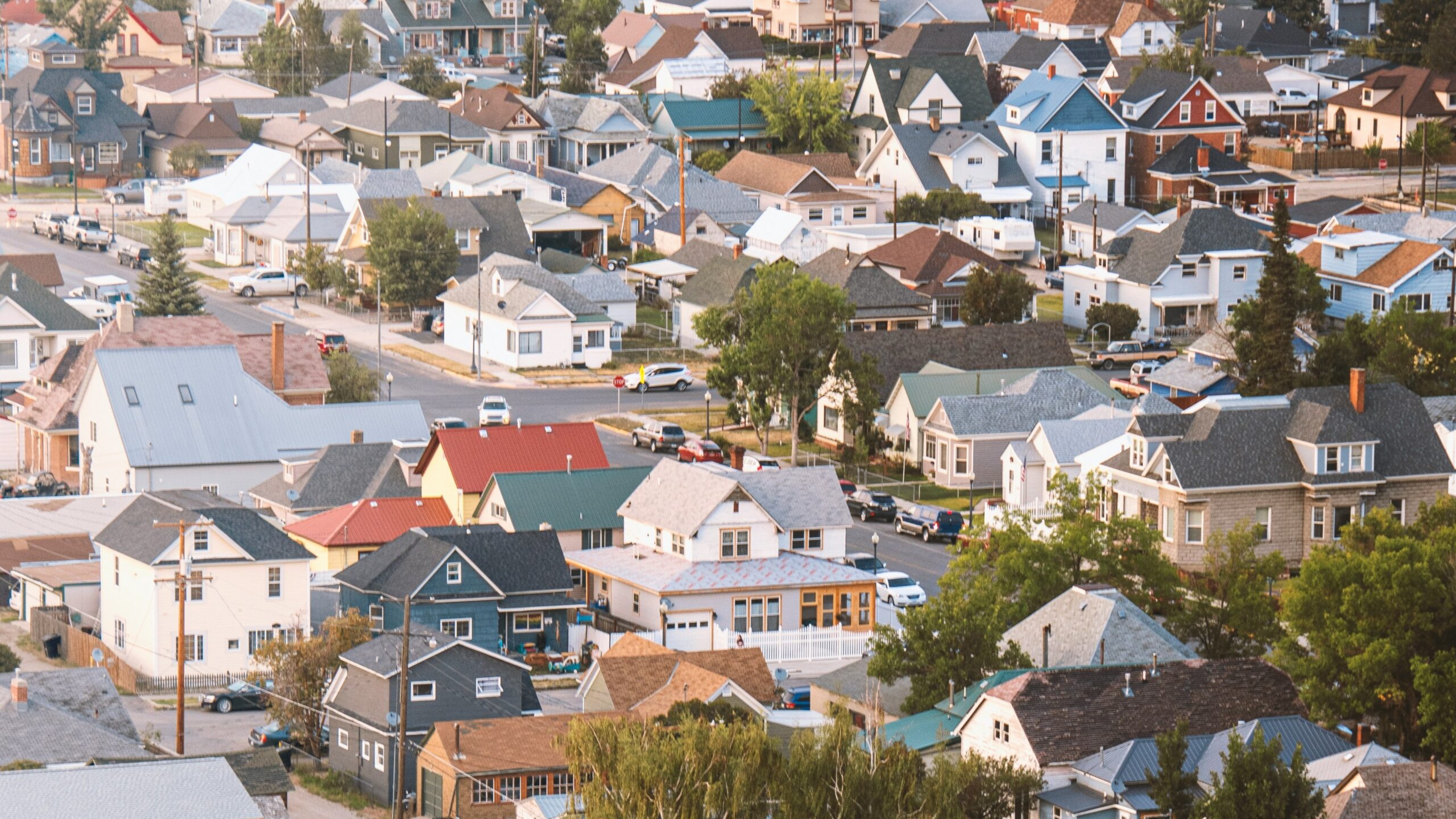
More than one in four adults aged 65 and older fall each year in the United States, producing roughly 3 million emergency department visits and 1 million hospitalizations annually. Many of those falls happen inside the very homes where older adults plan to spend their remaining years, raising a hard question about whether “aging in place” is as safe as its reputation suggests.
The Fall Crisis Hiding Inside Familiar Homes
The scale of fall-related harm among older Americans is staggering. The CDC estimates that more than 1 in 4 adults aged 65 and older fall each year, generating approximately 3 million emergency department visits and approximately 1 million hospitalizations annually. Hip fractures, traumatic brain injuries, and long recovery periods follow, often triggering a decline in independence that the person’s home was supposed to protect. A separate CDC analysis published in the Morbidity and Mortality Weekly Report found that fall deaths rose between 2020 and 2021, with women facing higher nonfatal fall rates and significant state-by-state variation in outcomes.
The pattern points to a structural problem, not just bad luck. Stairs that were manageable at 60 become hazardous at 78. Bathrooms without grab bars, dim hallways, and cluttered layouts turn a familiar house into an obstacle course as balance and vision deteriorate. A National Library of Medicine review on challenges to aging in place describes the tipping point clearly: once the demands of the environment exceed a person’s capabilities, injuries mount in “both predictable and unpredictable ways.” That mismatch between a home’s physical demands and a resident’s declining capacity is the central, often unspoken, risk of staying put.
Loneliness as a Silent Health Threat
Falls are only half the danger. The other half is isolation. Older adults who remain in single-family homes in car-dependent neighborhoods often lose their social networks as driving becomes difficult, friends move away, or spouses die. The World Health Organization highlights that social disconnection is widespread, with loneliness affecting people across the life course and older adults at particular risk when they live alone or face mobility barriers. The health consequences are severe: the U.S. Surgeon General’s report, as cited by New York State’s aging agency, states that social isolation increases the risk of death by more than 60 percent.
That statistic reframes the entire aging-in-place debate. A home that keeps someone physically safe but socially stranded may still shorten their life. Millions of older adults face exactly this tradeoff: they avoid the institutional risks of long-term care facilities, where millions of healthcare-associated infections occur each year in the U.S., but they absorb the quieter damage of prolonged solitude. Neither option, as traditionally framed, solves both problems. The real question is whether a third path exists that addresses physical safety and social connection at the same time.
What Walkable Communities Actually Change
A large-scale study published in Nature offers some of the strongest evidence yet that where a person lives directly shapes how much they move. The research, which analyzed within-person step-count changes across thousands of relocations, found that people who moved to more walkable areas showed sustained increases in physical activity. The effect was not a short-term novelty bump. Step counts stayed elevated over time, suggesting the built environment itself was doing the work rather than individual motivation alone.
This finding carries direct implications for older adults weighing a housing change. Physical inactivity is one of the strongest predictors of falls, cognitive decline, and cardiovascular disease in people over 65. A move to a walkable neighborhood or a residential community with pedestrian-friendly design can raise daily activity levels in a way that no home exercise program reliably sustains. The National Institute on Aging has noted that options such as assisted living residences and continuing care retirement communities can bundle accessibility features, on-site health services, and social programming in ways that isolated single-family homes rarely match.
When Staying Put Still Makes Sense
None of this means every older adult should leave home. The USC Leonard Davis School notes that aging in place often gives older adults the ability to continue enjoying what they value on their own terms, which may enhance independence and happiness. Emotional attachment to a home, proximity to family, and cultural ties are real factors that no walkability score can replace. The problem is not the desire to stay; it is the failure to recognize when a home’s physical and social environment has turned from asset to liability.
For many, the best answer is to treat aging in place as a dynamic strategy rather than a fixed promise. That can mean progressively modifying the home, adding grab bars, improving lighting, removing tripping hazards, and consolidating essential rooms onto one floor, while also investing in social infrastructure, such as regular visitors, community programs, or shared transportation. Public health agencies increasingly offer guidance on both fronts, and the CDC provides fall-prevention materials in multiple languages so families can understand risks and safety steps in culturally and linguistically appropriate ways. When older adults, caregivers, and policymakers view the home through this broader lens, the goal shifts from simply staying put to staying mobile, connected, and safe, wherever that may be.
More From The Daily Overview
*This article was researched with the help of AI, with human editors creating the final content.

Elias Broderick specializes in residential and commercial real estate, with a focus on market cycles, property fundamentals, and investment strategy. His writing translates complex housing and development trends into clear insights for both new and experienced investors. At The Daily Overview, Elias explores how real estate fits into long-term wealth planning.