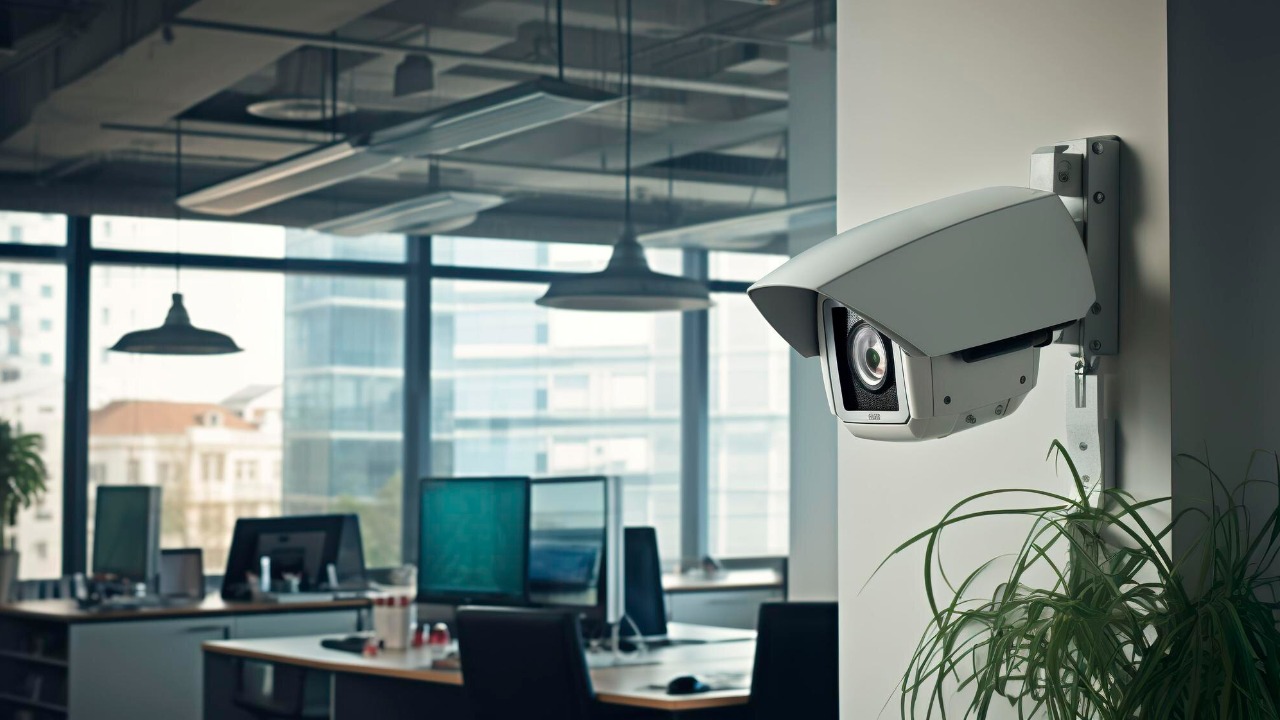
Workplace surveillance used to mean a security camera in the lobby or a manager glancing over your shoulder. Now it is increasingly built into the software you use, the badge you swipe, and even the sensors around your desk, creating a far more intimate picture of how you spend every minute on the job. I see a clear shift from monitoring the office to monitoring the individual, and the tools that make this possible are spreading faster than the rules meant to restrain them.
That imbalance matters because the newest tracking systems do not just log when you clock in or out, they infer how hard you are working, how loyal you might be, and whether you are a “risk” to the company. As employers quietly adopt these tools in the name of productivity and security, workers are left guessing what is being collected, how it is interpreted, and who gets to see it.
The quiet boom in worker tracking tech
Digital surveillance at work has expanded from niche software to a default feature of modern offices, especially for white-collar and remote staff. I now see monitoring built into collaboration platforms, email suites, and project tools that can log keystrokes, capture screenshots, and score “activity” minute by minute, often without employees realizing how granular the data really is. Vendors pitch these systems as a way to manage hybrid teams and justify remote work policies, but the same dashboards can easily be used to pressure staff or justify discipline based on opaque metrics of “engagement” and “focus.” Productivity tracking reports describe companies that monitor everything from document edits to time spent in specific apps, turning routine computer use into a stream of behavioral data.
Physical workplaces are catching up, with badges, cameras, and sensors feeding into the same appetite for quantification. Some large employers have adopted “smart” ID cards that log not just entry and exit but movement between floors and rooms, while office occupancy tools can map which desks are used, for how long, and by whom. In some cases, those systems are tied to individualized analytics that claim to measure collaboration patterns or “time well spent,” a framing that sounds benign until it is used to single out people who do not match the preferred pattern. Reporting on remote monitoring software and badge-based analytics shows how quickly these tools have moved from pilot projects to standard practice in large organizations.
From productivity scores to behavioral profiles
The most troubling shift is not just that employers collect more data, but that they increasingly use it to build behavioral profiles that go far beyond simple timekeeping. I see monitoring platforms that promise to identify “high performers” and “flight risks” by combining email metadata, calendar patterns, and chat activity into composite scores. These systems claim to spot disengagement before it shows up in missed deadlines, or to flag people who might be looking for another job based on how often they connect to recruiting sites or update résumés on company devices. Reporting on workplace analytics tools and AI-driven surveillance details how vendors market these predictive features as a way to manage talent more “scientifically.”
Once employers start treating these scores as objective truth, the risk of misinterpretation grows. A parent who logs off at 5 p.m. sharp, a neurodivergent worker who avoids large meetings, or an employee in a different time zone can all look “less engaged” in a dataset that was never designed to account for their reality. Yet the people being scored rarely see the underlying data or have a chance to challenge the inferences drawn about them. Investigations into monitoring dashboards and AI productivity scores show how these systems can quietly shape performance reviews, promotion decisions, and even layoffs, all while remaining largely invisible to the workers they judge.
AI supercharges the boss’s gaze
Artificial intelligence has turned what used to be raw logs into automated judgments, and that is where the power imbalance becomes stark. Instead of a manager manually reviewing access logs or chat transcripts, AI models can scan millions of data points to flag “anomalous” behavior, rank employees by perceived output, or surface “sentiment” trends in internal messages. I see tools that promise to detect burnout from calendar patterns, to infer morale from Slack posts, and to identify “insider threats” by analyzing file access and email forwarding. Coverage of AI monitoring systems and algorithmic surveillance shows how quickly these capabilities are being folded into mainstream HR and security products.
The problem is that AI does not just watch, it interprets, and those interpretations can be biased, brittle, or flat-out wrong. An algorithm trained on past “top performers” may simply reproduce old patterns of favoritism, while a model tuned to spot “unusual” behavior can end up punishing people who work differently for legitimate reasons. When those outputs are presented as neutral analytics, managers may over-trust them, especially under pressure to cut costs or justify return-to-office mandates. Reports on AI bias in workplace tools and automated risk scoring highlight how little transparency workers have into these systems, and how rarely they can contest a label once it is attached to their name.
Blurred lines between security, productivity, and control
Employers often justify new surveillance tools as necessary for cybersecurity or compliance, and in some cases that rationale is real. If a company handles sensitive financial data or health records, it does need to know when files are exfiltrated or accounts are compromised. What I see more often, though, is that once monitoring infrastructure is in place for security, it quickly gets repurposed for productivity tracking and behavioral control. A system that started as a way to detect data leaks can be tuned to flag “excessive” printing, “unusual” downloads, or frequent access to job search sites, all of which can then feed into HR decisions. Reporting on dual-use monitoring tools and expanded tracking shows how easily the line between safety and oversight blurs once the data is flowing.
That mission creep is especially stark in hybrid workplaces, where badge data, Wi-Fi logs, and desk sensors are used to enforce attendance rules or justify office leases. Some companies now analyze which teams show up on which days, how long they stay, and how often they sit together, then use those metrics to pressure managers whose staff do not meet an unofficial “presence” target. In practice, that can turn a basic access system into a tool for policing loyalty, even when official policy still claims to support flexibility. Investigations into badge-based return-to-office tracking and sensor-equipped offices document how these datasets are increasingly used to nudge, and sometimes coerce, workers back to their desks.
What workers can realistically do about it
For most employees, opting out of surveillance is not a real choice, especially when monitoring is baked into core systems like email, VPNs, and building access. Still, I see a few practical steps that can at least narrow the gap between what your employer knows and what you assume they know. The first is to treat any company-owned device or account as potentially monitored, including laptops, phones, messaging apps, and cloud storage. That means keeping personal communications and job searches on your own hardware and networks whenever possible, and being cautious about syncing private files to corporate services. Guides on worker surveillance awareness and device monitoring emphasize how often people underestimate the reach of employer tools.
The second step is to push, individually and collectively, for transparency and guardrails. I have seen employees successfully demand clear policies that spell out what is collected, how long it is stored, and how it can be used in performance reviews or disciplinary actions. In some jurisdictions, data protection laws already require employers to disclose certain monitoring practices and to justify them as proportionate to a legitimate business need. Reporting on emerging regulations and union efforts shows how worker organizations are starting to negotiate limits on tracking, from banning keystroke loggers to restricting the use of AI scores in layoffs. None of these measures fully neutralize the new ways your boss can watch you, but they can at least shift some power back toward the people being watched.
More From TheDailyOverview
- Dave Ramsey says these two simple questions show whether you’re rich or poor
- Retired But Want To Work? Try These 18 Jobs for Seniors That Pay Weekly
- IRS raises capital gains thresholds for 2026 and what’s new
- 12 ways to make $5,000 fast that actually work

Grant Mercer covers market dynamics, business trends, and the economic forces driving growth across industries. His analysis connects macro movements with real-world implications for investors, entrepreneurs, and professionals. Through his work at The Daily Overview, Grant helps readers understand how markets function and where opportunities may emerge.

