Up to 200,000 foreigners who came to the United States as tourists or on business and then filed for asylum could soon lose their visas, under a Trump administration plan that would amount to the single largest mass visa revocation in American history. Still being finalized, the plan would strip so-called B1 and B2 visas from holders who entered as short-term visitors and then sought to stay permanently by claiming asylum.
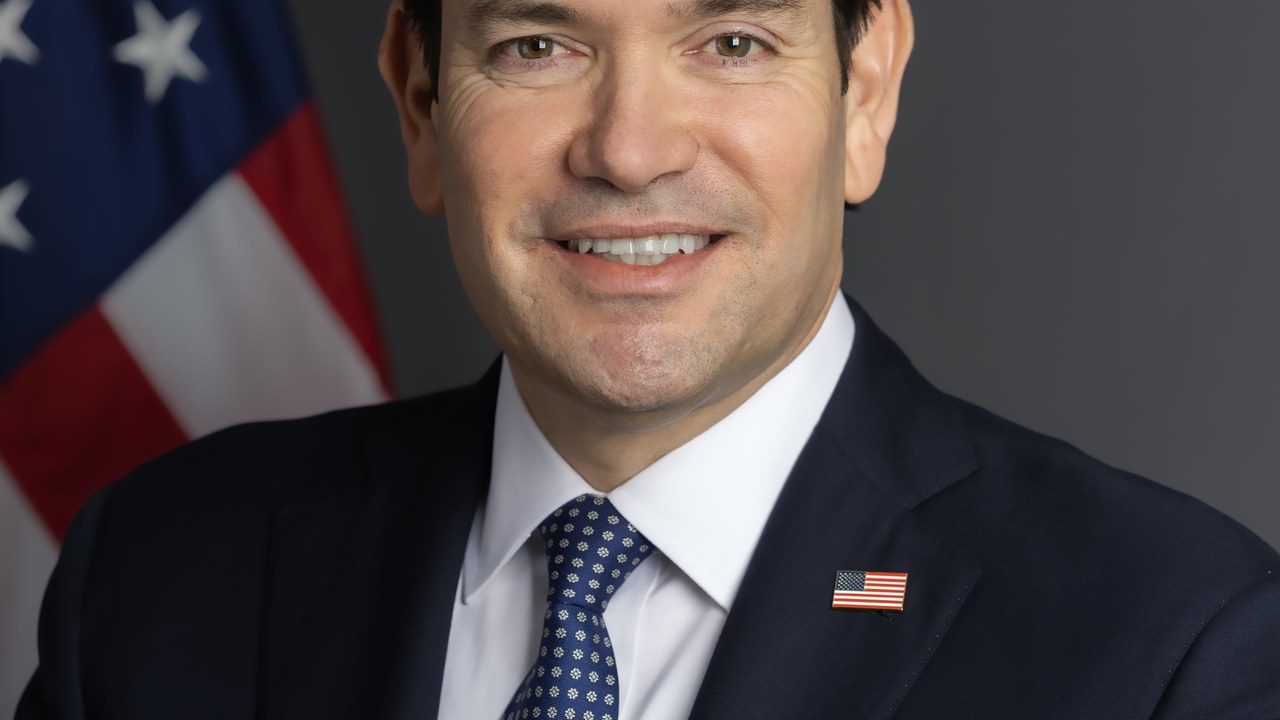
Secretary of State Marco Rubio’s department is expected to announce the revocations in the coming weeks, working in coordination with the Department of Homeland Security. Officials caution that the numbers are not final and that cancellations would roll out in waves rather than all at once. But the direction is unmistakable: an administration that has spent a year and a half tightening the screws on visa holders is now moving to void the legal status of a group larger than any it has targeted before.
Who Would Lose Their Visas
The target is a specific category of traveler. A B1 visa is issued for business trips and a B2 for tourism, family visits, or medical care, and both are strictly temporary. To get one, an applicant must affirm that the visit will be brief and must show ties to a home country — a job, family, property — strong enough to prove they intend to leave. The government’s plan focuses on people who were granted those visas between 2016 and 2026 and later applied for asylum, a move the administration argues is flatly inconsistent with the promise every visitor makes to return home.
Losing the visa would not, by itself, trigger immediate deportation. Most people with pending asylum cases would instead be recategorized, keeping their claim alive while forfeiting their standing as legitimate business or tourism travelers. The screening, according to officials, began after the State Department received information about asylum requests from the immigration service and started matching those names against active visa records.
Rubio’s Department Draws the Line at Asylum
The legal theory behind the purge is that a visitor visa is a sworn commitment, not a foothold. Under the government’s own rules for B visas, an applicant has to demonstrate nonimmigrant intent — the plan to come briefly and go home — and current applicants are even asked to affirm outright that they will not seek asylum once inside the country. Administration officials contend that anyone who obtained a tourist or business visa and then filed for asylum broke that bargain, whatever the merits of the underlying claim.
Deputy Secretary of State Christopher Landau put the argument in blunt terms on social media, writing that “people in the US and all over the world are fed up with bogus asylum claims” and that “asylum isn’t supposed to be a loophole to circumvent immigration law.” He pointed to the case of a Colombian citizen who arrived on a tourist visa in 2015 and then applied for asylum as the pattern the department intends to break. A department spokesman, Tommy Pigott, said the government is “coordinating with DHS to identify and revoke the nonimmigrant visas of foreigners who have come to the United States claiming to be short-term visitors, but then file for asylum to stay here permanently.”
Why This Is Bigger Than Anything Before It
The scale is what sets this apart. Over the past 18 months the State Department has already revoked roughly 175,000 visas — for people accused or convicted of crimes ranging from drunk driving to robbery, and for others who spoke out against U.S. policy, particularly on the Middle East. A single action reaching up to 200,000 people would eclipse that entire running total in one stroke, and it would do so by targeting a legal category rather than individual conduct. That breadth is precisely why the plan is expected to draw immediate court challenges the moment it is formally announced.
It also fits a broader pattern. Since Trump returned to office, the administration has demanded that visa applicants hand over social-media histories, required expensive bonds before some visas are processed, and barred citizens of certain countries outright. The asylum-driven revocation is the next escalation — and a warning to would-be visitors around the world that the affirmation on a visa application will now be enforced with the threat of cancellation.
The Asylum Fight at the Center of It
Underneath the visa mechanics is a deeper argument about what asylum is for. The system exists to protect people who face persecution at home, and applicants are entitled to have their claims heard. The administration’s contention is not that asylum should disappear but that it has become a back door — a way for people who could never qualify for an immigrant visa to enter on a tourist pass and then reset the clock by filing a claim that can take years to resolve. Critics counter that stripping visas from people with pending cases punishes them for exercising a right the law explicitly gives them, and that recategorizing 200,000 travelers overnight will jam an asylum backlog that is already historic.
Both things can be true at once, which is why the coming announcement is likely to become one of the defining immigration battles of the year. The administration sees a loophole it intends to slam shut; its opponents see a mass punishment aimed at people who followed a legal process. What is not in dispute is the ambition. If the State Department carries the plan out at the scale officials have described, it will have executed the largest single act of visa revocation the country has ever seen — and it will have done it by rewriting the meaning of a stamp millions of visitors have always treated as a simple invitation to come and go.
What Happens Next
For now, the revocations remain a plan on paper. Nothing is final, no names have been published, and the department has signaled the process will unfold gradually. That gives the targeted visa holders, immigrant-rights groups, and the courts a window to respond before the first cancellations land. Once they do, the legal questions will come fast: whether the government can void a valid visa purely because its holder later sought asylum, whether people with pending claims are entitled to notice, and whether a blanket action of this size can survive the same judicial scrutiny that has slowed other pieces of the administration’s immigration agenda. The answers will decide whether the largest visa purge in American history becomes reality or another policy tied up in court.
The Daily Overview used AI-assisted tools in researching and drafting this report, with final review by human editors.

Nathaniel Cross focuses on retirement planning, employer benefits, and long-term income security. His writing covers pensions, social programs, investment vehicles, and strategies designed to protect financial independence later in life. At The Daily Overview, Nathaniel provides practical insight to help readers plan with confidence and foresight.