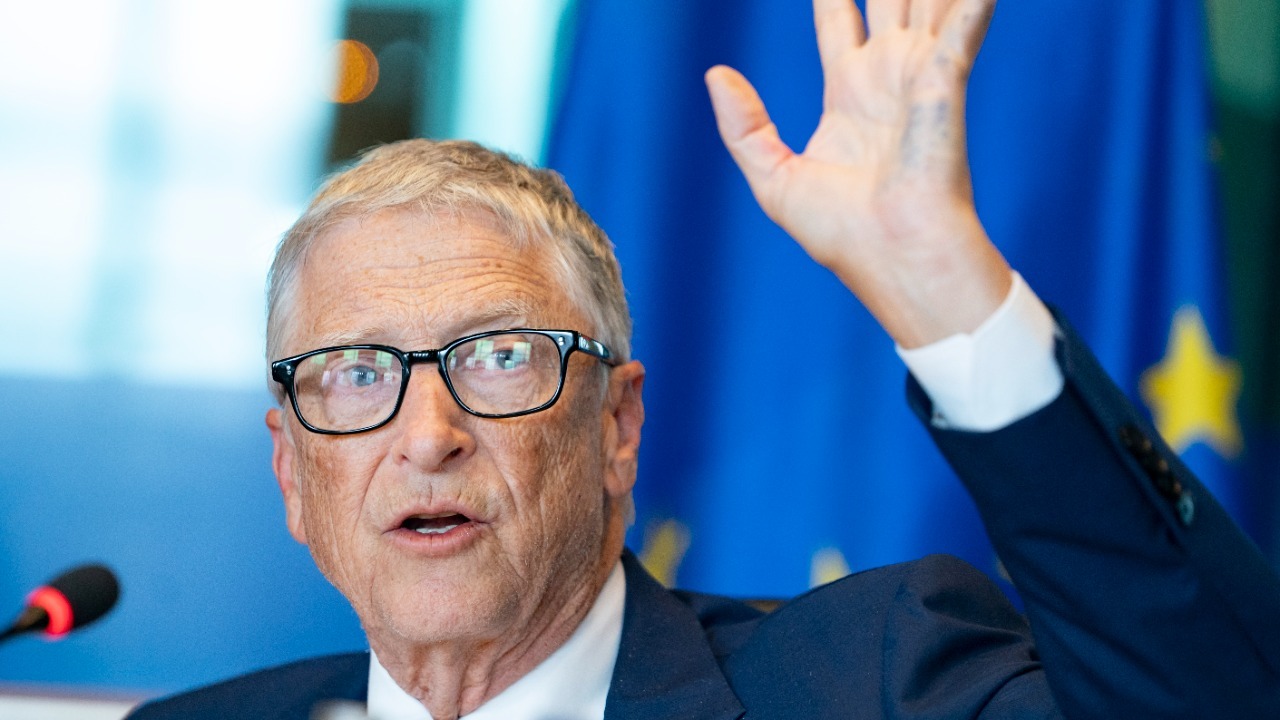
Bill Gates, the co-founder of Microsoft, has taken a firm stance against President Donald Trump’s interpretation of his recent climate memo, describing it as a “gigantic misreading.” Gates’ memo, which called for a shift in the global climate debate towards practical innovations, was met with criticism from Trump, who claimed that Gates had admitted to being “completely WRONG” on climate issues. This exchange has intensified the ongoing debate over climate strategies, highlighting the contrasting approaches between Gates’ focus on technological advancements and Trump’s political narrative.
Gates’ Climate Memo and Its Core Message
Bill Gates’ climate memo, addressed to world leaders, advocates for a strategic shift in addressing climate change. Rather than relying solely on broad policy overhauls, Gates emphasizes the importance of practical innovations. His memo suggests that technological advancements should be at the forefront of climate action, a stance that has sparked significant discussion since its release. Gates argues that focusing on achievable technological solutions can lead to more effective climate strategies, a point he has defended against early criticisms. The memo’s viral impact has been profound, prompting widespread debate and analysis of its implications for future climate policies.
In his defense, Gates maintains that the memo’s intent was to redirect the climate debate towards innovation, not to abandon existing efforts. He stresses the need for a pragmatic approach, one that leverages technological advancements to address climate challenges effectively. This perspective aligns with Gates’ longstanding advocacy for innovation-driven solutions, underscoring his belief that technology can play a pivotal role in mitigating climate change. The memo’s release has catalyzed discussions among policymakers and environmentalists, highlighting the need for a balanced approach that incorporates both policy and innovation.
Trump’s Interpretation and Public Statement
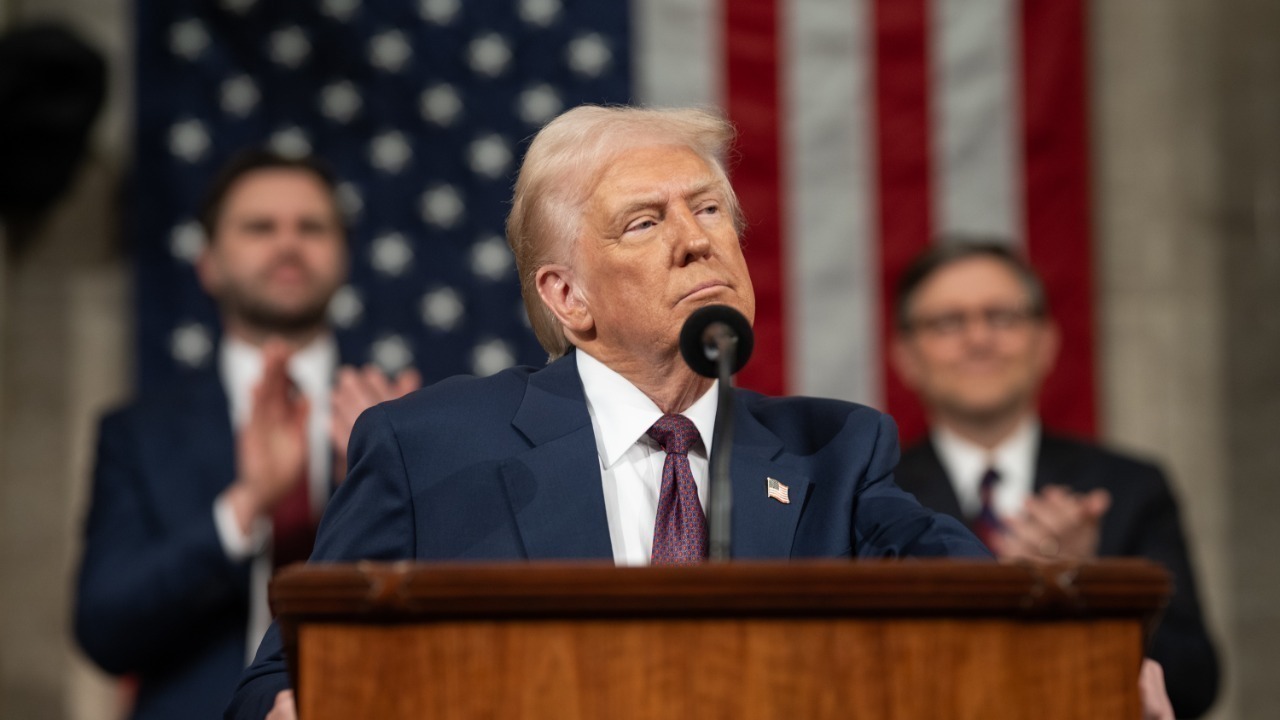
President Donald Trump’s response to Gates’ memo has been assertive, claiming that Gates “has finally admitted that he was completely WRONG” on climate strategies. Trump’s statement, made shortly after the memo went viral, frames Gates’ call for a shift in focus as an admission of failure in previous climate advocacy. This interpretation aligns with Trump’s broader political narrative, which often critiques established climate policies and emphasizes economic considerations over environmental regulations. By portraying Gates’ memo as a concession, Trump seeks to bolster his stance on environmental policies, positioning himself as a critic of traditional climate strategies.
The timing of Trump’s comments, made on October 30, 2025, shortly after the memo’s release, suggests a strategic move to capitalize on the memo’s viral spread. By framing Gates’ message as a reversal, Trump aims to reinforce his political agenda and challenge the prevailing climate discourse. This approach reflects a broader trend in political rhetoric, where climate issues are often leveraged to support specific policy positions. Trump’s interpretation of the memo has added fuel to the ongoing debate, highlighting the polarized views on climate action and the role of innovation in addressing environmental challenges.
Gates’ Direct Rebuttal to Trump’s Claims
In a direct rebuttal to Trump’s claims, Bill Gates has firmly rejected the notion that his memo represents an admission of error. On November 4, 2025, Gates responded by calling Trump’s reaction a “gigantic misreading” of the memo’s purpose. He clarified that the memo was intended to redirect climate efforts towards innovation, not to concede past mistakes. Gates’ defense underscores his commitment to promoting technological advancements as a key component of climate strategies, emphasizing that innovation should complement, not replace, existing policy efforts.
Gates‘ response highlights the personal nature of the exchange, as he seeks to correct what he views as a misinterpretation of his message. By emphasizing the memo’s focus on innovation, Gates aims to reinforce the importance of technological solutions in addressing climate challenges. His rebuttal also serves to clarify the memo’s intent, countering the narrative that it represents a shift away from established climate advocacy. Gates’ stance reflects his broader vision for a balanced approach to climate action, one that integrates policy and innovation to achieve sustainable outcomes.
Allegations of Purposeful Misinterpretation
The backlash against Gates’ memo has been characterized by some as a “purposeful misinterpretation” of his climate message. Critics argue that interpretations like Trump’s ignore the memo’s call for a refocus on pragmatic solutions, instead framing it as a retreat from previous positions. This perspective suggests that political and media figures have amplified these misreadings, contributing to the contentious reception of the memo. The debate over Gates’ message highlights the challenges of navigating complex climate issues in a politically charged environment.
Reports on the memo’s reception, starting November 4, 2025, indicate that the controversy has been fueled by differing interpretations of Gates’ intent. While some view the memo as a necessary shift towards innovation, others see it as a departure from established climate advocacy. This divergence reflects broader tensions in the climate debate, where differing priorities and strategies often lead to polarized discussions. The role of media and political figures in shaping these narratives underscores the complexity of addressing climate change in a way that balances innovation with policy considerations.
More From TheDailyOverview
- Dave Ramsey warns to stop 401(k) contributions
- 11 night jobs you can do from home (not exciting but steady)
- Small U.S. cities ready to boom next
- 19 things boomers should never sell no matter what

Grant Mercer covers market dynamics, business trends, and the economic forces driving growth across industries. His analysis connects macro movements with real-world implications for investors, entrepreneurs, and professionals. Through his work at The Daily Overview, Grant helps readers understand how markets function and where opportunities may emerge.