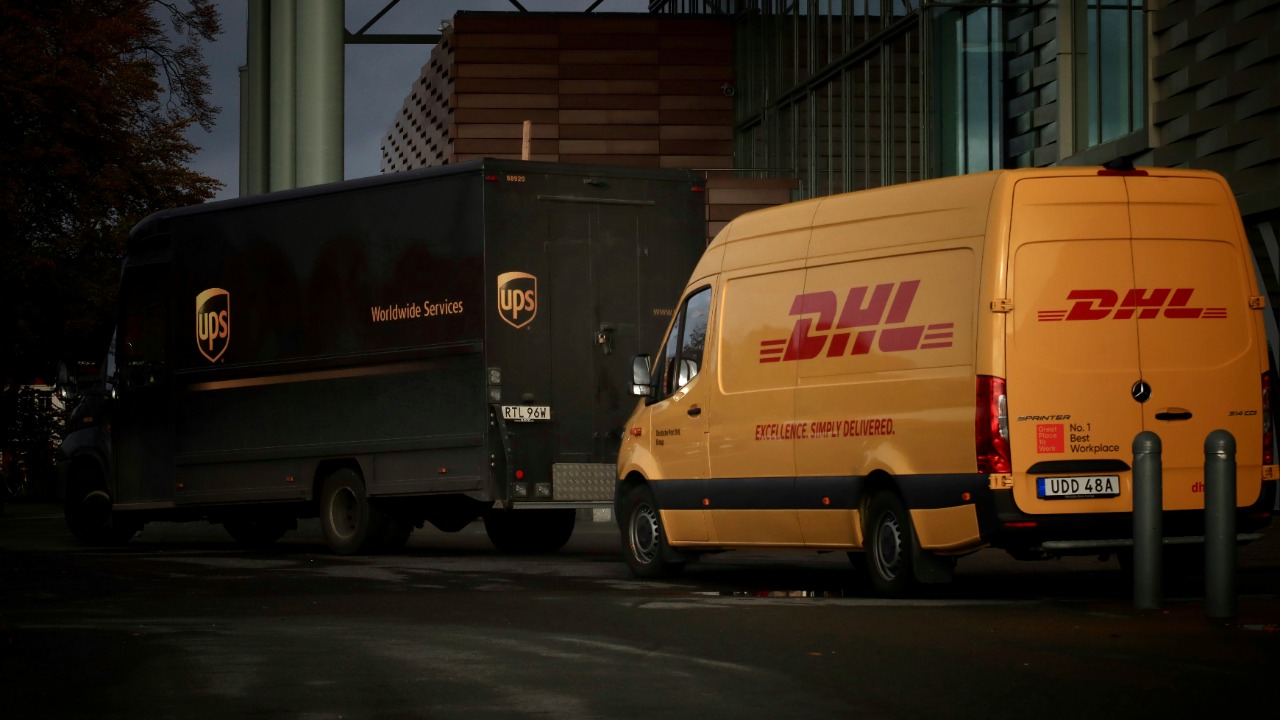
UPS announced on January 27, 2026, that it will cut up to 30,000 jobs this year, adding to the roughly 34,000 operational positions it already eliminated during the first nine months of 2025. FedEx, meanwhile, has been consolidating facilities across approximately 290 locations in the U.S. and Canada under its own restructuring plan. Together, the two carriers are dismantling a significant share of the delivery infrastructure they built during the e-commerce boom, with the combined toll reaching roughly 68,000 affected workers and more than a hundred closed or consolidated sites.
UPS Sheds 34,000 Jobs and Shutters 85 Buildings
The scale of what UPS has already done tends to get lost in the headlines about future cuts. During the first nine months of 2025, the company reduced its U.S. operational workforce by approximately 34,000 positions and closed daily operations at 93 leased or owned buildings. Of those 93 facilities, 85 were permanently closed. UPS grouped these actions under its Efficiency Reimagined initiative and a broader network reconfiguration effort, both aimed at matching physical capacity to actual package volume rather than the pandemic-era peaks that once justified expansion.
Those numbers set the stage for what came next. On January 27, UPS disclosed plans to cut up to 30,000 operational jobs in 2026 through attrition and voluntary buyouts, plus close 24 additional buildings in the first half of the year. CFO Brian Dykes and CEO Carol Tomé framed the reductions as a continuation of the cost discipline that began in 2025. The 30,000 figure includes permanent, part-time, and seasonal employees, meaning the impact will ripple unevenly across communities that depend on warehouse and sorting-hub employment.
FedEx Consolidates 290 Sites Under Network 2.0
FedEx has taken a different structural path to the same destination. Its Network 2.0 program is a multi-year effort to consolidate sortation facilities and equipment, reduce pickup-and-delivery routes, and optimize the enterprise linehaul network. As of May 31, 2025, Network 2.0 had been implemented in approximately 290 locations across the U.S. and Canada. The program essentially merges what were once separate ground and express sorting operations into shared hubs, eliminating duplicate routes and the labor that ran them.
FedEx has not disclosed a single headline job-cut number comparable to UPS’s 30,000 or 34,000 figures. The company’s SEC filings detail facility and route consolidation rather than workforce totals, which makes precise comparisons difficult. But the operational logic is clear: fewer buildings and fewer routes require fewer workers. When a carrier shuts down redundant sortation lines at 290 locations, the cumulative labor impact is substantial even if the company reports it in smaller, site-level increments rather than one dramatic announcement.
Amazon’s Low-Margin Gravity Pull
The common thread linking both carriers’ retreat is Amazon. UPS is further reducing shipments for its biggest customer, a deliberate strategic choice rather than a loss of business. Amazon shipments are high-volume but carry thin margins, and as Amazon has built out its own delivery network, the remaining packages it hands to UPS and FedEx tend to be the least profitable ones: rural deliveries, oversized items, and surge-period overflow. Both parcel giants tried everything they could to make e-commerce work, but the business, especially deliveries from Amazon, remained a low-margin drag on earnings.
This dynamic inverts the standard narrative about job cuts. UPS and FedEx are not shrinking because demand vanished. They are shrinking because the demand that remains does not generate enough profit per package to justify the networks they built. Walking away from Amazon volume means voluntarily giving up revenue in exchange for better margins on the shipments that stay. For investors, the math can work. For the tens of thousands of workers whose jobs existed specifically to handle that volume, the calculation is far less favorable.
What 68,000 Lost Jobs Mean for Shipping and Workers
The combined workforce reductions across both companies carry real consequences for the broader logistics sector. UPS alone will have shed up to 64,000 operational positions between its 2025 actions and its 2026 plan if the full 30,000 target is reached. FedEx’s consolidation of 290 sites adds an unspecified but clearly significant number on top of that. The headline figure of 68,000 reflects a conservative reading of confirmed UPS cuts plus the labor displacement implied by FedEx’s facility program, though FedEx’s exact workforce reduction remains impossible to calculate precisely from available filings.
For consumers, the short-term effect may be subtle. Both carriers insist they are matching capacity to current and expected parcel volumes, not pulling back so far that service quality suffers. But thinner networks leave less slack for peak seasons, weather disruptions, or sudden surges in demand. Rural areas and smaller towns, which already depend on a limited number of hubs and routes, are especially vulnerable to longer delivery times or reduced pickup options if nearby facilities close or are folded into more distant operations.
The labor-market impact is more immediate and concrete. Many of the eliminated roles are part-time or seasonal, but they are often stacked alongside other jobs to make ends meet. Sorting centers and local depots also anchor surrounding economies, supporting everything from nearby diners to childcare providers that align their hours with shift work. When a facility shutters or a shift disappears, the blow radiates outward, and the workers affected may find that their skills (operating conveyor systems, scanning packages, loading trucks) do not easily translate into higher-paying roles elsewhere in their region.
Unions and worker advocates are likely to scrutinize how much of the restructuring burden falls on frontline staff versus management and shareholders. UPS has emphasized attrition and voluntary programs, which can soften the shock but still leave remaining employees coping with tighter staffing and intensified workloads. FedEx’s more gradual, site-by-site consolidations may avoid large layoff announcements but can create a rolling sense of uncertainty as workers wait to see whether their particular facility is next in line for integration or closure.
Longer term, the retreat from Amazon-driven volume raises questions about what kind of logistics industry will emerge. A leaner UPS and FedEx could be more financially resilient, less exposed to the boom-and-bust cycles of online shopping surges. Yet that resilience is being purchased with a permanent reduction in middle-income, often unionized jobs that once offered a path to stability without a college degree. As both companies reconfigure their networks to prioritize profitability over sheer scale, the result is a delivery system that may be more efficient on paper but less generous in the number and quality of jobs it supports.
For policymakers and local officials, the wave of cuts underscores the risk of tying regional development too closely to a handful of large logistics employers. Towns that competed fiercely to attract sorting hubs or last-mile depots now face the prospect of empty industrial shells and displaced workers. The same competitive pressures that pushed UPS and FedEx to chase low-margin e-commerce volume are now driving them to unwind it, leaving communities to manage the fallout. In that sense, the 68,000 jobs at stake are not just a corporate headcount issue but a test of how resilient local economies are when the e-commerce tide recedes.
More From The Daily Overview
*This article was researched with the help of AI, with human editors creating the final content.

Grant Mercer covers market dynamics, business trends, and the economic forces driving growth across industries. His analysis connects macro movements with real-world implications for investors, entrepreneurs, and professionals. Through his work at The Daily Overview, Grant helps readers understand how markets function and where opportunities may emerge.