The disparity in wealth distribution is a topic of growing concern, with the richest 1% owning more land than the bottom 50% of the population. This stark contrast highlights not only economic inequality but also the social and environmental implications of such an imbalance. As we delve into this topic, it becomes crucial to understand the factors contributing to this phenomenon and its broader implications on society.
Historical Context of Wealth Inequality

The roots of wealth concentration can be traced back to the early distribution of land ownership, which set the foundation for today’s disparities. Historically, land ownership was often reserved for royalty, nobility, and the elite, creating a system where wealth was concentrated in the hands of a few. As societies evolved, these patterns persisted, often being reinforced by policies that favored the wealthy.
Over the centuries, land distribution has undergone significant changes. During the industrial revolution, the shift from agrarian economies to industrial ones altered how wealth was generated and distributed. Despite this shift, land remained a crucial asset, often dictating power and influence. Government policies, such as land grants and tax incentives, have historically played a role in shaping land ownership patterns, often benefiting the affluent and further entrenching wealth inequality.
Current Statistics and Trends

Recent statistics reveal a stark disparity in land ownership, with the richest 1% owning more land than the bottom 50%. This imbalance is part of a broader trend of wealth inequality that has been growing over the past few decades. While income inequality is often discussed, wealth inequality, particularly in terms of land ownership, is a more persistent and entrenched issue.
Globally, the United States exhibits some of the most pronounced disparities in land ownership. However, similar trends can be observed in other countries, highlighting a global pattern of wealth accumulation among the elite. This concentration of land ownership not only exacerbates economic inequality but also poses significant challenges for social mobility and environmental sustainability.
Causes of Land Ownership Disparities

Economic policies often favor the wealthy, contributing to the concentration of land ownership. Tax policies, subsidies, and other financial incentives are typically structured in ways that benefit the affluent, allowing them to accumulate and maintain vast amounts of land. Real estate, as a preferred investment for the wealthy, further exacerbates this trend, as it provides a stable and appreciating asset.
For the middle and lower classes, barriers to land acquisition are significant. High property prices, limited access to credit, and restrictive zoning laws make it challenging for many to own land. These barriers not only limit economic opportunities but also reinforce existing inequalities, creating a cycle that is difficult to break.
Social and Environmental Implications
The social consequences of concentrated land ownership are profound. Communities with high levels of land inequality often experience reduced social mobility and increased social tensions. The lack of access to land can limit opportunities for economic advancement, education, and overall quality of life, perpetuating cycles of poverty and disenfranchisement.
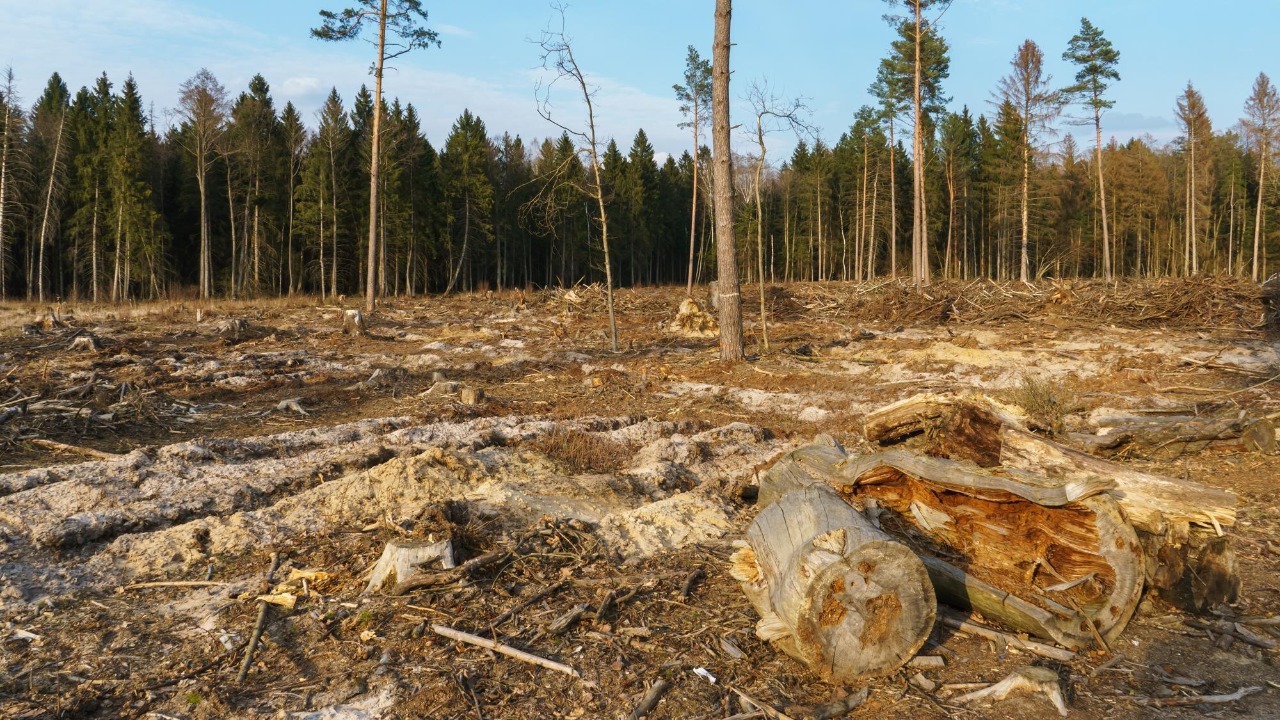
Environmentally, concentrated land ownership can lead to unsustainable land use practices. Large landowners may prioritize profit over conservation, leading to issues such as deforestation, habitat destruction, and pollution. Moreover, the disparity between urban and rural areas in terms of land ownership patterns further compounds these challenges, as urban areas often face over-development and rural areas suffer from neglect.
Potential Solutions and Policy Recommendations

Addressing land ownership disparities requires comprehensive policy reforms. Tax reforms aimed at wealth redistribution can play a crucial role in leveling the playing field. By implementing progressive tax policies and closing loopholes that benefit the wealthy, governments can work toward reducing inequality.
Regulatory measures, such as land use regulations, can promote equitable land distribution. Policies that encourage sustainable land management can ensure that land is used in environmentally and socially responsible ways. By prioritizing conservation and community development, these measures can help mitigate the negative impacts of concentrated land ownership.
The Future of Land Ownership
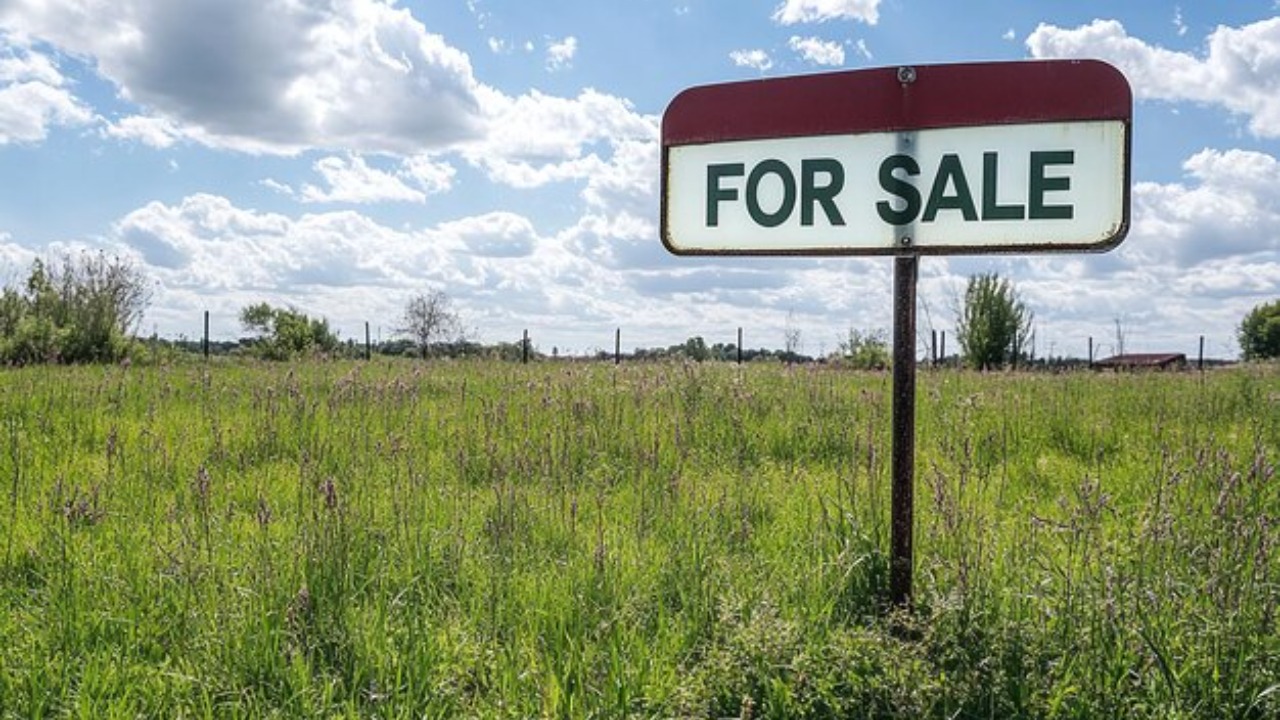
As we look to the future, predictions on wealth inequality trends suggest that without intervention, disparities in land ownership are likely to persist. However, advancements in technology and innovation offer potential avenues for change, as they can facilitate more efficient land use and improve access to land.
Grassroots movements and advocacy play a vital role in addressing land ownership inequality. By raising awareness and pushing for policy changes, these efforts can help create a more equitable distribution of land. Ultimately, addressing these disparities requires a collaborative approach, involving government, communities, and individuals working together toward a more just and sustainable future.

Elias Broderick specializes in residential and commercial real estate, with a focus on market cycles, property fundamentals, and investment strategy. His writing translates complex housing and development trends into clear insights for both new and experienced investors. At The Daily Overview, Elias explores how real estate fits into long-term wealth planning.